

Thalassaemia A Lifelong Test For Shila Amzah
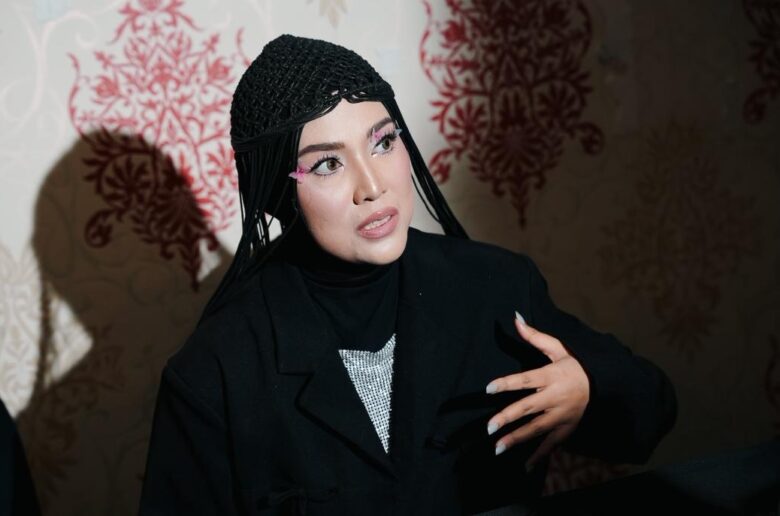
SHAH ALAM : Many couples in Malaysia take HIV screening before marriage seriously. However, not many pay attention to another test that is no less important thalassaemia.
This genetic disease can be inherited by children and has lifelong effects on patients and their families. More worrying is that most thalassaemia carriers show no symptoms at all.
As a result, many only discover their status after getting married or while expecting a child.
Renowned singer Shila Amzah is among those who went through such an experience. The performer of the song “Patah Seribu” admitted she never suspected she was a thalassaemia carrier until she underwent testing while pregnant.
Having witnessed firsthand the effects of the disease in her family, including the loss of a cousin due to thalassaemia major, she has become an outspoken advocate urging the public to undergo early screening.
According to Shila, whose full name is Nurshahila Amir Amzah, one’s health status should be a fundamental consideration before taking further steps in a relationship.
“After I found out I was a thalassaemia carrier, whenever I wanted to get to know someone, including my current husband, Ubai, I would ask them straight away.
“‘Do you know anything about thalassaemia?’ I would ask randomly, even though at that time we were still just friends,” she told Media Selangor.
Although such a question may seem awkward when a relationship is still in its early stages, she said the step was important to understand the risks their future children might face.
“Sometimes, when we are in love and too deeply attached, we don’t think about all of this. That is why I feel the first important thing after knowing your own status is to also try to find out about your partner or the person close to you,” she said.
The 36-year-old said her own family has a history of thalassaemia, with her father and aunt being carriers of the disease.
“I saw firsthand how my aunt cared for her children who had thalassaemia. Some needed to undergo blood transfusions, and doctors once said that child might not live long,” she said.
Shila only discovered she was a thalassaemia carrier after undergoing testing while pregnant, when her haemoglobin (HB) levels were found to be extremely low.
“The doctor told me to take the test because my HB levels were very low. Only then did I find out I was a carrier. I have always been active and lived a normal life. I never thought this could be so serious,” she shared.
Her health condition worsened during pregnancy, requiring further treatment, including receiving three pints of blood during an emergency.
“Only when I went through it myself did I understand that this is truly serious and not just ordinary anaemia,” she said.
The winner of the Asia Wave award in China in 2012 hopes that awareness of thalassaemia will be enhanced, similar to HIV screening, which is now considered normal before marriage.
“Just like how HIV testing is a normal requirement before marriage, thalassaemia testing should also be conducted more widely, especially for those intending to marry. Even those who are not yet married should ensure they know their status because sometimes parents themselves do not know they are carriers,” she advised.
Finding out after marriage
Meanwhile, a consultant haematologist and physician at Hospital Canselor Tuanku Muhriz, Universiti Kebangsaan Malaysia (UKM), said many only discover they are thalassaemia carriers after marriage or during pregnancy because most carriers show no obvious symptoms.
According to Associate Professor Dr Nor Rafeah Tumian, carriers often appear healthy and live normal lives without needing special treatment like thalassaemia major patients.
“However, if both partners are carriers, their children have a 25 percent chance of having thalassaemia major, a 50 percent chance of being carriers, and only a 25 percent chance of being born normal,” she said.
Thalassaemia major patients require regular blood transfusions throughout their lives to ensure they can live and grow as normally as possible.
“If they do not receive blood transfusions, they will constantly appear pale, tired, lethargic, and struggle to lead a normal life,” she said.
However, frequent blood transfusions can lead to iron overload, which risks damaging vital organs such as the heart and liver, thereby requiring additional treatment known as iron chelation.
“That is why early screening is so important, so that couples know the risks before marriage and can make early plans.
“If both partners are carriers, at least they are aware of the options available, including early monitoring and medical technology that can help reduce the risk of having a baby born with thalassaemia major,” she said.
Efforts to raise awareness about thalassaemia need to be strengthened, as the disease not only affects patients but also has a major impact on the future of entire families.
“This is not a short-term problem, because thalassaemia major patients require continuous treatment until the end of their lives. That is why we want to prevent future generations from continuing to face a disease that depends on lifelong blood transfusions,” she said.
Media Selangor