

Sudan War Enters Fourth Year as Humanitarian Crisis Deepens
The conflict in Sudan has entered its fourth year, with no clear end in sight and a worsening humanitarian catastrophe that the United Nations describes as the worst in the world.
The war is being fought between the Sudanese army, led by Abdel Fattah al-Burhan, and the paramilitary Rapid Support Forces (RSF), commanded by Mohamed Hamdan Dagalo.
Both leaders had previously joined forces in 2019 to overthrow longtime ruler Omar al-Bashir. However, tensions later escalated over plans to transition to civilian rule and integrate their forces, ultimately leading to open conflict on April 15, 2023.
Since the outbreak of war, the conflict has drawn in multiple local militias and foreign actors. The RSF has consolidated control over the western Darfur region, while the army maintains dominance in eastern Sudan.
Fighting has intensified in central areas such as Kordofan and along the southeastern border with Ethiopia. The war has also seen a shift in tactics, with drone warfare increasingly replacing traditional ground battles, escalating civilian casualties.
International involvement has further complicated the situation. Sudanese authorities and some global observers have accused the United Arab Emirates of supporting the RSF—an allegation the Gulf nation denies. Meanwhile, countries such as Egypt, Turkey, Saudi Arabia, and Qatar are believed to have varying levels of alignment with the Sudanese army.
The human toll has been devastating. The United Nations estimates that nearly 75% of Sudan’s population now requires humanitarian assistance.
Famine or the risk of famine has been reported in multiple regions, worsened by blockades and logistical barriers. The collapse of the healthcare system has led to the spread of diseases such as dengue fever.
Reports have also documented ethnically targeted killings, particularly in Darfur, with some investigators suggesting patterns consistent with genocide.
Although official figures cite over 11,000 confirmed deaths, experts believe the true number could reach into the hundreds of thousands due to indirect causes such as hunger, disease, and lack of medical care.
Despite the scale of the crisis, international funding remains critically low. The UN’s 2026 humanitarian appeal for Sudan is only about 17% funded, forcing aid agencies to scale back operations.
Local volunteer networks, including community-based emergency response groups, have stepped in to provide essential services. However, many of these initiatives are struggling, with reports indicating that over 40% of community kitchens have shut down due to lack of resources.
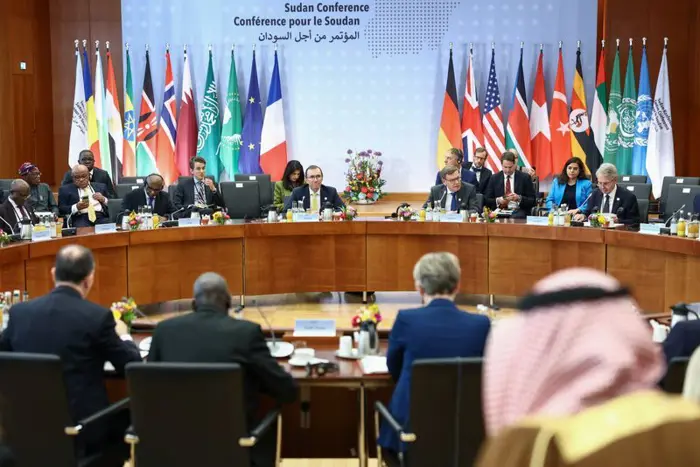
Efforts to end the war have so far failed to produce meaningful results. Diplomatic initiatives led by the United States, including a mediation framework involving Egypt, Saudi Arabia, and the UAE, have not yielded a lasting ceasefire.
While both sides have at times expressed openness to negotiations, shifting dynamics on the ground and competing regional interests continue to hinder progress.
As the conflict drags on, Sudan remains trapped in a cycle of violence, with millions of civilians paying the highest price.