

Nearly 20 Million People in Sudan Facing Acute Hunger as War Deepens Humanitarian Crisis
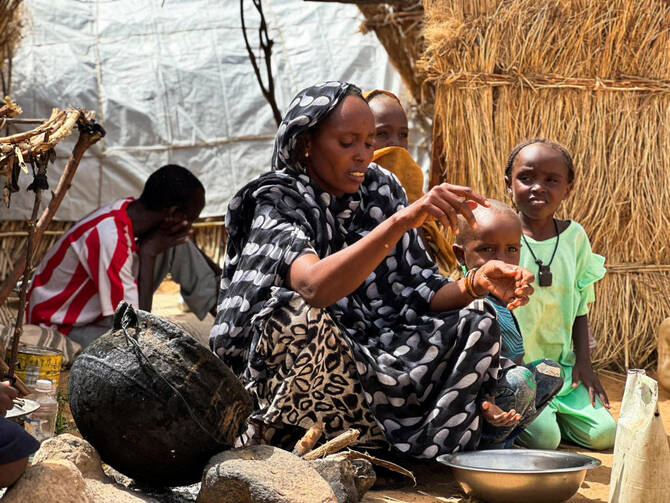
CAIRO: Nearly 19.5 million people in Sudan, representing more than 40 percent of the population, are currently facing acute hunger as the country’s prolonged conflict continues to drive what aid agencies describe as the world’s worst food crisis.
According to the UN-backed Integrated Food Security Phase Classification (IPC), the scale of hunger has slightly decreased from a previous estimate of 21.2 million people. However, the situation remains extremely severe, with widespread food insecurity across large parts of the country.
The ongoing war in Sudan, now in its third year, has killed hundreds of thousands of people, devastated the economy and agriculture, and displaced around 14 million people, the report said.
The IPC warned that 14 areas across North Darfur, South Darfur and South Kordofan remain at risk of famine, with around 135,000 people facing catastrophic levels of hunger. Cities including El-Fashir and Kadugli have been among the worst affected due to prolonged conflict and siege conditions in earlier phases of the war.
Recent developments show shifting frontlines, including changes in control of key areas, while fighting continues in regions such as Kordofan and Blue Nile State. The UN human rights office has reported that drone strikes have killed at least 880 civilians since January, with civilian infrastructure such as markets, hospitals and power stations repeatedly targeted.
“Ongoing hostilities, especially around major supply routes, continue to heighten risks of worsening food insecurity,” the IPC warned.
The report also estimates that around 825,000 children are at risk of severe acute malnutrition, as insecurity, restricted access and funding shortages continue to hinder humanitarian aid deliveries across the country.
Aid agencies further caution that Sudan’s upcoming rainy season, beginning around July, is likely to worsen conditions by disrupting farming activities and food distribution routes.
In addition, rising regional tensions, including the Iran crisis, are expected to increase global food, fuel and fertiliser prices, further threatening agricultural output and the prospects of a successful harvest later this year.
Humanitarian organisations continue to call for urgent international action to prevent further deterioration of the crisis and to ensure safe access for aid delivery across conflict-affected regions.