

Malaysia Urged to Accelerate Energy Transition Amid Global Volatility, Says Deputy PM Fadillah
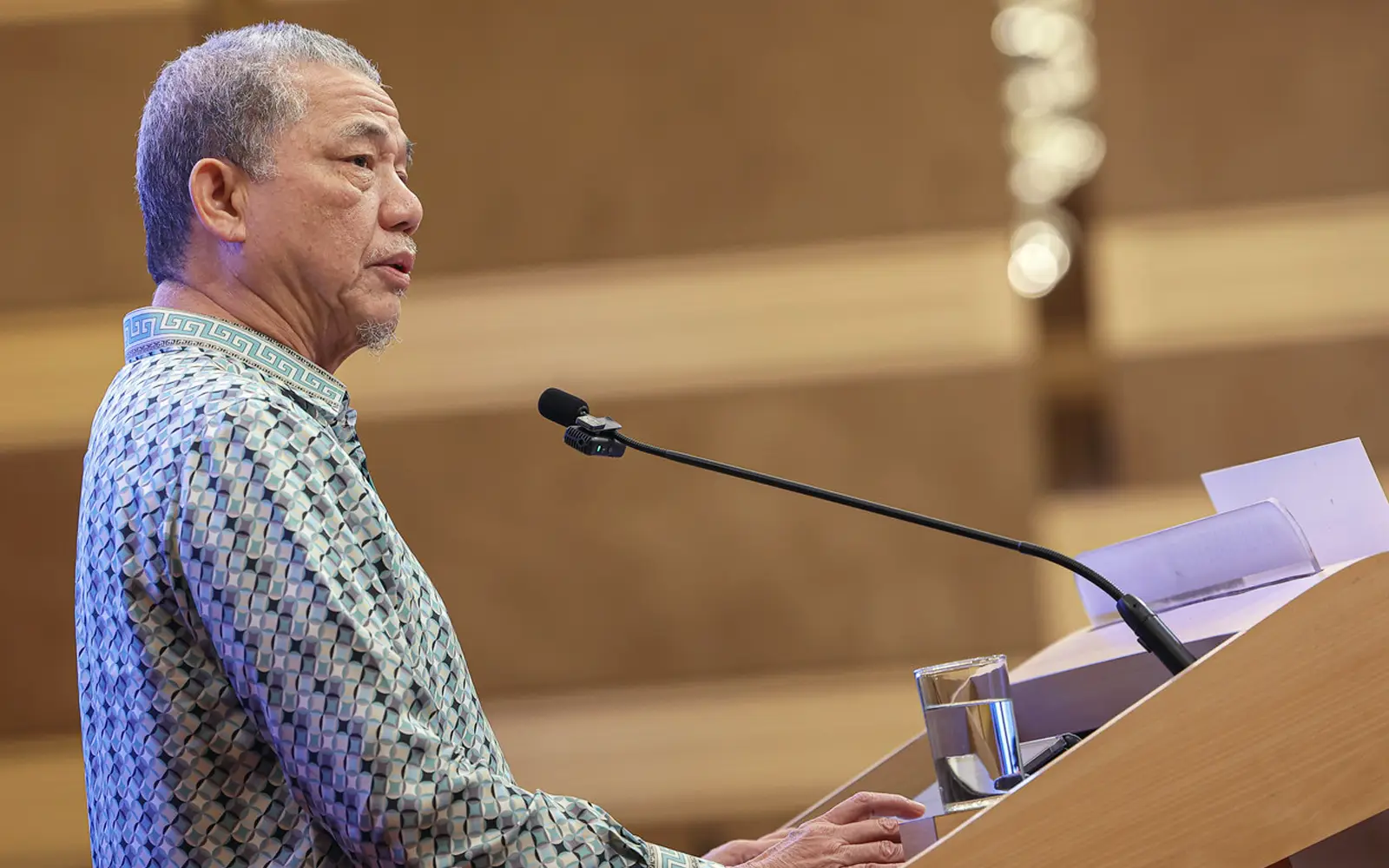
KUALA LUMPUR: The ongoing conflict in the Middle East has underscored the urgent need for Malaysia to fast-track its renewable energy transition, Deputy Prime Minister and Minister of Energy, Water, and Climate Change Fadillah Yusof said.
Speaking at the Malaysia Energy, Water & Climate Change Summit 2026, Fadillah highlighted that global energy market volatility has exposed structural vulnerabilities in national energy security. Countries, he said, face a “delicate balance” in moving away from fossil fuels while ensuring reliable energy supply.
“Energy transition is not a climate obligation. It is a strategic necessity,” Fadillah said. “Every megawatt of renewable energy we generate locally is a step away from vulnerability and a step towards sovereignty. Short-term gains must not distract us from long-term vulnerabilities. True security is not about what we earn today, but what we can sustain tomorrow.”
The deputy prime minister stressed that while crises often push nations back to familiar fossil fuels, true resilience requires consistent investment in sustainable energy solutions. “A nation is not defined by what it promises, but by what it delivers consistently, quietly, and with conviction,” he added.
Fadillah noted that Malaysia’s National Energy Transition Roadmap (NETR) provides a clear policy framework, but effective implementation must now take precedence. He emphasized that renewable energy generation is no longer the main constraint; rather, grid infrastructure and transmission remain critical bottlenecks.
Malaysia has already exceeded its renewable energy target, achieving 32% installed capacity as of June 2025, surpassing the initial 31% goal. Under the 13th Malaysia Plan (2026–2030), the country aims to increase the renewable share to 35% of total energy capacity by 2030.
Fadillah also pointed to the need for comprehensive water sector reforms, including modernizing water management systems and adjusting tariffs to reflect true operational costs. “Technology offers solutions, such as smart metering and AI detection of leaks, but technology alone is not enough. If energy powers our growth, water determines whether that growth can endure,” he said.
His remarks come as the head of the International Energy Agency (IEA) forecast that Middle East tensions and fuel price spikes could accelerate the adoption of renewable energy, nuclear power, and electric vehicles worldwide.