

Gulam asks if other ministers face charges after Jamil Khir case
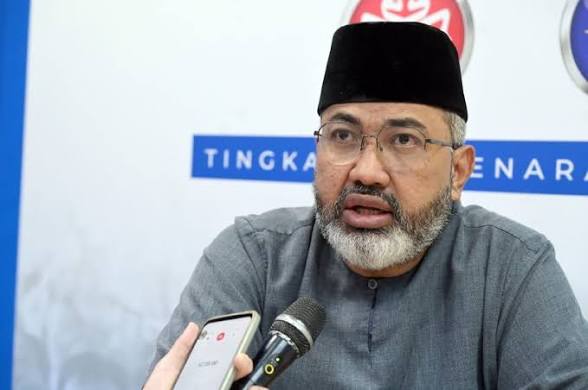
KUALA LUMPUR: The prosecution of former minister Datuk Seri Jamil Khir Baharom under Section 403 of the Penal Code should set a precedent for other Cabinet ministers whose ministries or agencies have suffered losses from investments, says Batu Umno division chief Datuk Gulam Muszaffar Gulam Mustakim.
Gulam said Jamil Khir, who was charged with three counts involving the alleged disposal of Lembaga Tabung Haji assets to Saudi Arabia-based Al Rawda while he was minister, could have far-reaching implications for ministers overseeing agencies that make investments resulting in losses.
“Indirectly, the charges against Jamil Khir mean ministers must be held responsible for losses involving investments managed by agencies under their authority,” he said in a statement today.
He questioned whether the same principle would now be applied to other former and current ministers whose ministries or agencies had been involved in investments or projects that resulted in significant losses.
Gulam cited the Project E Fishery, which involved RM200 million in pension funds from KWAP, the RM150 million MyKiosk project under the Housing and Local Government Ministry, and the multibillion-ringgit losses suffered by UJSB.
He questioned whether Prime Minister Anwar Ibrahim, Housing and Local Government Minister Nga Kor Ming, former finance minister Lim Guan Eng and former religious affairs minister Mujahid Yusof Rawa would also face investigation or charges if the authorities were applying the same precedent.
“Will they be charged? Please answer, because there is now a precedent involving a minister being charged over losses arising from an investment,” he said.
Gulam also called on the Malaysian Anti-Corruption Commission (MACC) and the Attorney General’s Chambers to explain whether investigations and prosecutions would be pursued consistently, regardless of political affiliation.
“What is MACC and the Attorney General waiting for? When will they investigate and charge those responsible for billions of ringgit in public funds lost through investments involving PH leaders?” he said.
He warned that failure to apply the same standard across cases could fuel perceptions of selective prosecution and political double standards.
Gulam said the issue was ultimately about ensuring accountability and equal treatment under the law when public funds were involved.
“Is there selective prosecution or favouritism in the enforcement of the law?” he asked.