

Israel’s effort to wipe out Palestinians “wiped off the map” Rafah.
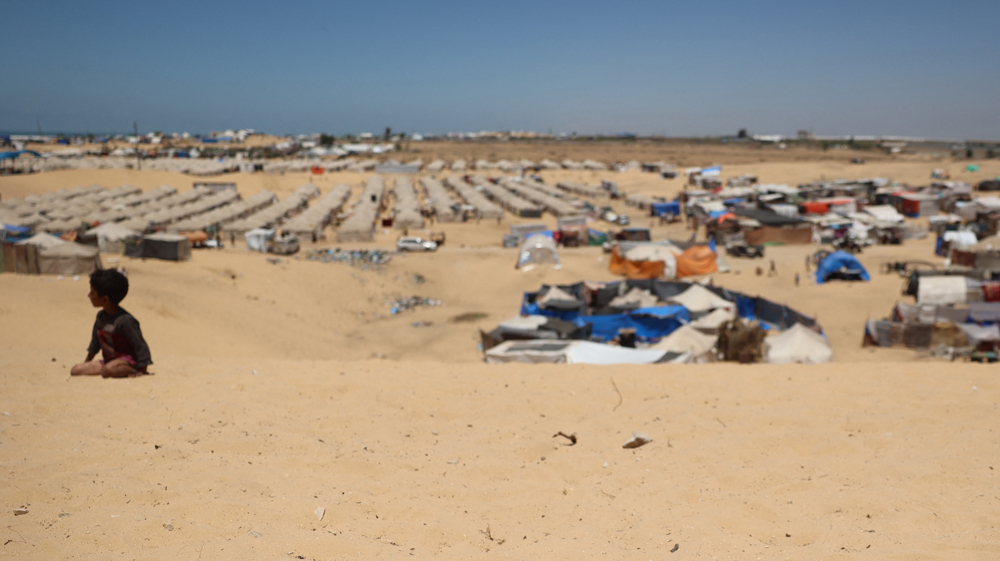
Rafah was a city on the border between the Gaza Strip and Egypt. According to the Gaza government media office, Israel’s brutal campaign of genocide and ethnic cleansing has completely erased Rafah from the map.
On Sunday, they said on X that the southern city of Gaza has been completely destroyed so that Israel can turn it into a “closed military operations zone.”
According to the statement, Israel’s military has been killing “defenseless civilians in horrible mass killings” in Rafah, which has led to a “full-blown humanitarian disaster.”
Officials say that Israeli troops have destroyed more than 20,000 buildings in Rafah, which is more than 90% of the homes there.
Historic buildings, archaeological sites, museums, modern homes, shops, cafes, restaurants, hospitals, schools, and colleges, as well as the infrastructure for everyday life, have all been torn down.
The regime’s forces have destroyed 22 of the 24 water wells, according to government officials. This includes a large water treatment plant that the Canadian government built 25 years ago.
It was said that “tens of thousands of families” no longer have access to clean water and that over 85% of the sewage system had been destroyed, which made people worry about disease breakouts.
According to reports, an explosive robot blew up some medical facilities, including Abu Yousef al-Najjar Hospital.
The press office said that Rafah is now “uninhabitable.”
The Israeli military’s goal is to “empty the land of its people and change its geographical and demographic features.”
Rafah was built more than 3,300 years ago, and there were 171,889 people living there. As late as February, 1.4 million Palestinians took refuge there after Israel forced the people who lived in the northern parts of the besieged area to leave.
Israel’s forces once referred to the city as a “safe zone,” but now it lies in ruins. The military government has taken over Rafah’s ruins and told survivors to leave to expand its “security buffer zone” along Gaza’s borders. The situation has become increasingly dire, with humanitarian aid struggling to reach those in need. The international community is under increasing pressure to intervene and address the escalating crisis in the region as families face displacement and resources dwindle.