

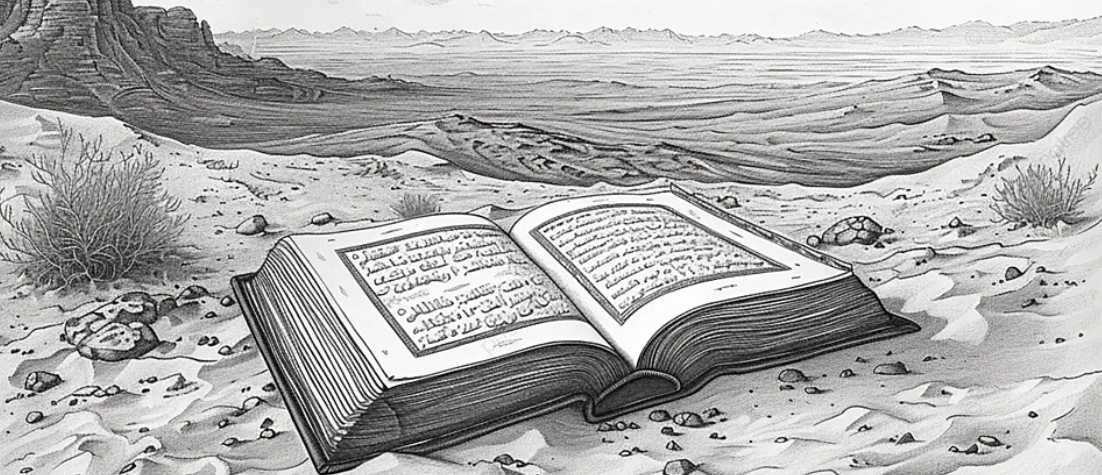
Ramaḍân is the month in which the Quran was revealed as a guide for humanity with clear proofs of guidance and the decisive authority
What is Ramadan?
يَـٰٓأَيُّهَا ٱلَّذِينَ ءَامَنُوا۟ كُتِبَ عَلَيْكُمُ ٱلصِّيَامُ كَمَا كُتِبَ عَلَى ٱلَّذِينَ مِن قَبْلِكُمْ لَعَلَّكُمْ تَتَّقُونَ ١٨٣
O believers! Fasting is prescribed for you—as it was for those before you1—so perhaps you will become mindful ˹of Allah˺.
Ramadan is the name of the 9th month of the Islamic calendar. During this month, Muslims engage in the ritual of fasting (sawm in Arabic). Ramadan is a very holy month for Muslims. During this time, believers strive to devote themselves to worship, reflection, perfection of their character, and increasing in God-consciousness.
شَهْرُ رَمَضَانَ ٱلَّذِىٓ أُنزِلَ فِيهِ ٱلْقُرْءَانُ هُدًۭى لِّلنَّاسِ وَبَيِّنَـٰتٍۢ مِّنَ ٱلْهُدَىٰ وَٱلْفُرْقَانِ ۚ فَمَن شَهِدَ مِنكُمُ ٱلشَّهْرَ فَلْيَصُمْهُ ۖ وَمَن كَانَ مَرِيضًا أَوْ عَلَىٰ سَفَرٍۢ فَعِدَّةٌۭ مِّنْ أَيَّامٍ أُخَرَ ۗ يُرِيدُ ٱللَّهُ بِكُمُ ٱلْيُسْرَ وَلَا يُرِيدُ بِكُمُ ٱلْعُسْرَ وَلِتُكْمِلُوا۟ ٱلْعِدَّةَ وَلِتُكَبِّرُوا۟ ٱللَّهَ عَلَىٰ مَا هَدَىٰكُمْ وَلَعَلَّكُمْ تَشْكُرُونَ ١٨٥
Ramaḍân is the month in which the Quran was revealed as a guide for humanity with clear proofs of guidance and the decisive authority. So whoever is present this month, let them fast. But whoever is ill or on a journey, then ˹let them fast˺ an equal number of days ˹after Ramaḍân˺. Allah intends ease for you, not hardship, so that you may complete the prescribed period and proclaim the greatness of Allah for guiding you, and perhaps you will be grateful.
What is fasting?
Fasting in Islam means staying away from eating, drinking (even water), and intimate relations between spouses from dawn (fajr) to sunset (maghrib). Relieved of these basic human needs for a restricted period of time, the believer instead focuses on their spiritual development. Muslims also focus on increasing their acts of worship, prayers, good deeds, giving charity, and strengthening family and community bonds in Ramadan. This is why for individual Muslims and their community at large, Ramadan is a time for inner reflection and renewal, exercising self-control and patience as well as engaging in gratitude and forgiveness. It is a perfect opportunity to connect and deepen one’s connection with God.
Why do Muslims fast?
Fasting is the fourth Pillar of Islam and is an act of worship practiced by millions of Muslims around the world of all nationalities, backgrounds, and walks of life. Muslims believe fasting was mandated by God in the Holy Qur’an. “O you who believe, fasting is prescribed for you as it was prescribed for those before you, so that you may gain piety”—The” Qur’an, Chapter 2, Verse 183—
Muslims believe the Qur’an is the literal word of God (Allah in Arabic) transmitted to Prophet Muhammad (peace be upon him) by the Angel Gabriel over 1400 years ago. The Qur’an was the last of the heavenly books to be revealed, following a great chain that included the Psalms, the Torah, and the Gospel. In fact, one reason that the month of Ramadan is so special is that the first revelation of the Qur’an began in this holy month. Does everyone have to fast? All healthy adults are required to fast. Sick persons, travelers, children, and women during the menses and post-natal periods are not required to fast. Pregnant and breastfeeding women may also be excused if there is fear of harm to themselves or their baby.
What does fasting achieve?
First and foremost, fasting is a mandated act of worship. It is carried out by Muslims as an act of obedience to God, in hopes of attaining His reward. Fasting requires resilience, perseverance, and a strong will. Muslims fast out of love for Allah and are comforted by the spiritual connection that fasting nurtures. The Prophet Muhammad (peace be upon him) tells Muslims, “For the fasting person, there are two times of joy: a time of joy when they break their fast and a time of joy when they meet their Allah.”. There are also various personal, lifestyle, and communal benefits associated with fasting. These include the improvement of will and self-control, cleansing the body from toxins, and gaining an appreciation of the struggles that the poor go through.
A typical day in Ramadan
A typical day for a fasting person in Ramadan starts by waking up before dawn to eat a pre-dawn meal called suhoor. It is encouraged to have healthy, nutritional meals and plenty of fluids. The beginning of the fasting day is marked by the call to prayer (athan). Once this is heard, Muslims stop eating and drinking and perform the dawn (fajr) prayer. Fasting has officially begun.
Many Muslims choose to give more than this 2.5%, especially during Ramadan when it is believed that the rewards for good deeds are greatly increased. This extra, voluntary charity is called sadaqa, and it can consist of food, clothing, and other goods or services.
Charity doesn’t have to be in a tangible form. It can even consist of community service or spreading of good will. The Prophet Muhammad (peace be upon him) even said that greeting others with a smile is considered an act of charity!
Celebrating the end of Ramadan—Eid The end of the fasting month is marked with the communal festival of Eid-ul-fitr, the festival of breaking the fast. Muslims mark the occasion of Eid by decorating their homes, wearing their best clothes, attending outdoor or mosque prayer services and participating in joyful festivals. Before the Eid prayer, Zakat Al-Fitr—an obligatory charity consisting of food but nowadays often given in money—should be distributed to the poor to ensure they are also included in the spirit of Eid. The greeting that is often used during this time is “Eid Mubarak”, meaning “blessed festival”. Gifts are exchanged and celebratory food is joyfully shared after a month of physical and spiritual cleansing. Getting involved in Ramadan Muslims love to share the spirituality and significance of Ramadan with their non-Muslim family, friends, relatives and colleagues. If you would like to get involved in Ramadan: – try fasting for a day and donate the money you save to your chosen charity. – try giving up a certain thing you enjoy to strengthen yourself. – Control and perseverance: Join Muslims in breaking fast over the iftar meal, observe Islamic prayers at the mosque, get involved with Eid festivities, exchange gifts with Muslims, speak to fasting Muslims about their journey and experiences, and read blogs, articles, books and literature about the significance of Ramadan and its meaning to the global faith of Islam
Frequently Asked Questions Is fasting harmful?
أَيَّامًۭا مَّعْدُودَٰتٍۢ ۚ فَمَن كَانَ مِنكُم مَّرِيضًا أَوْ عَلَىٰ سَفَرٍۢ فَعِدَّةٌۭ مِّنْ أَيَّامٍ أُخَرَ ۚ وَعَلَى ٱلَّذِينَ يُطِيقُونَهُۥ فِدْيَةٌۭ طَعَامُ مِسْكِينٍۢ ۖ فَمَن تَطَوَّعَ خَيْرًۭا فَهُوَ خَيْرٌۭ لَّهُۥ ۚ وَأَن تَصُومُوا۟ خَيْرٌۭ لَّكُمْ ۖ إِن كُنتُمْ تَعْلَمُونَ ١٨٤
˹Fast a˺ prescribed number of days.1 But whoever of you is ill or on a journey, then ˹let them fast˺ an equal number of days ˹after Ramaḍân˺. For those who can only fast with extreme difficulty,2 compensation can be made by feeding a needy person ˹for every day not fasted˺. But whoever volunteers to give more, it is better for them. And to fast is better for you, if only you knew.
Fasting is not harmful to healthy adults. As mentioned earlier, there are many categories of people who are not required to fast for a variety of reasons. Fasting has been practiced for centuries across many cultures and religions. Done correctly, it is, in fact, one of the healthiest acts you can undertake for your body, giving it a break from constantly digesting food and granting it the opportunity to rest and repair. What does someone do if they can’t fast? If someone falls under the category of persons excused from fasting, then in certain circumstances they will make up the days they missed once Ramadan is over. In other cases, if financially able, they will feed a poor person for every day of Ramadan.
Is fasting difficult?
أُحِلَّ لَكُمْ لَيْلَةَ ٱلصِّيَامِ ٱلرَّفَثُ إِلَىٰ نِسَآئِكُمْ ۚ هُنَّ لِبَاسٌۭ لَّكُمْ وَأَنتُمْ لِبَاسٌۭ لَّهُنَّ ۗ عَلِمَ ٱللَّهُ أَنَّكُمْ كُنتُمْ تَخْتَانُونَ أَنفُسَكُمْ فَتَابَ عَلَيْكُمْ وَعَفَا عَنكُمْ ۖ فَٱلْـَٔـٰنَ بَـٰشِرُوهُنَّ وَٱبْتَغُوا۟ مَا كَتَبَ ٱللَّهُ لَكُمْ ۚ وَكُلُوا۟ وَٱشْرَبُوا۟ حَتَّىٰ يَتَبَيَّنَ لَكُمُ ٱلْخَيْطُ ٱلْأَبْيَضُ مِنَ ٱلْخَيْطِ ٱلْأَسْوَدِ مِنَ ٱلْفَجْرِ ۖ ثُمَّ أَتِمُّوا۟ ٱلصِّيَامَ إِلَى ٱلَّيْلِ ۚ وَلَا تُبَـٰشِرُوهُنَّ وَأَنتُمْ عَـٰكِفُونَ فِى ٱلْمَسَـٰجِدِ ۗ تِلْكَ حُدُودُ ٱللَّهِ فَلَا تَقْرَبُوهَا ۗ كَذَٰلِكَ يُبَيِّنُ ٱللَّهُ ءَايَـٰتِهِۦ لِلنَّاسِ لَعَلَّهُمْ يَتَّقُونَ ١٨٧
It has been made permissible for you to be intimate with your wives during the nights preceding the fast. Your spouses are a garment1 for you as you are for them. Allah knows that you were deceiving yourselves.2 So He has accepted your repentance and pardoned you. So now you may be intimate with them and seek what Allah has prescribed for you.3 ˹You may˺ eat and drink until you see the light of dawn breaking the darkness of night, then complete the fast until nightfall. Do not be intimate with your spouses while you are meditating in the mosques. These are the limits set by Allah, so do not exceed them. This is how Allah makes His revelations clear to people, so they may become mindful ˹of Allah˺.
For people new to fasting, the first few days of adapting may be challenging. Heavy caffeine drinkers are strongly advised to wean themselves off it in the weeks leading up to Ramadan to avoid caffeine headaches during the fast. Some Muslims might also experience mild ‘fasting headaches’ on occasion; some days will be harder than others. Generally, the most you will feel is a temporary hunger or thirst—state that is not life-threatening—which allows you to realize how many of the world’s poor feel every day. In our society, we are surrounded by food and are used to instant gratification. During Ramadan, we learn to practice sabr (patience or persistence) and can experience a profound gratitude for a simple glass of water.
Do children have to fast?
No, it is not obligatory for children to fast. However, some may fast part of a day or a whole day occasionally in preparation for when they are older. There are, in fact, many children who fast the entire month. It is often something they choose to do, especially when the whole community around them is fasting. Is it okay to eat around my Muslim friends and colleagues during Ramadan? Muslims do not object to people eating around them during Ramadan and will not impose fasting on others. As mentioned, there are also people who are exempt from fasting and others who are in charge of preparing meals for the non-fasting, so they will be around food.
Some Ramadan Reflections…
“The Ramadan period provides a beautiful pause in everyday life and is a lovely spiritual boost, much like Lent or Passover. It reminds me of my faith and allows me to make it a priority to reconnect with God. It reminds me of the importance of kindness, charity, and humility. It is also like a reset button on any bad eating habits or behavioral patterns I may have fallen into. I’m never so at peace as I am during Ramadan.” – A’isha “Ramadan is a privilege we often take for granted! It is a priceless month where sins are forgiven and rewards are given in abundance!” – Serena “Fasting is between me and God. If I were to cheat, no human would know; only God would. It’s a close personal relationship directly with the One who created us.” – Mariam “Ramadan is a time for me to reflect on myself physically and spiritually to better myself for the long term.” – Sara “I love the spirit of Ramadan not just because of fasting. I love the fact that those who cannot fast have to pay for meals for a needy person as compensation.” – Aarun “I remember my first Ramadan. It was in the middle of a hot Aussie summer. Somehow, it was exhilarating. By the end of it, I felt this enormous sense of achievement. I never imagined what was possible, do-able. And I learned how to cook a few things.” – Jools
“Ramadan is an incredibly beautiful event in the world. You prepare yourself by emptying your stomach and opening your pockets. It’s not like other festivals or celebrations based on excess; it’s about lightening and lessening your desires, not increasing them.” – Ahmad “Ramadan reminds me of times gone by. Like a long time ago. I think of Jesus fasting for 40 days as it was said in the Christian scriptures. Knowing fasting was practiced by the previous Prophets, it’s something I feel I share with them; it spans millennia, and I feel connected.” – Aaliyah