

Iran Rejects Ceasefire Calls, Demands ‘Permanent End’ to War, Says Foreign Minister Araghchi
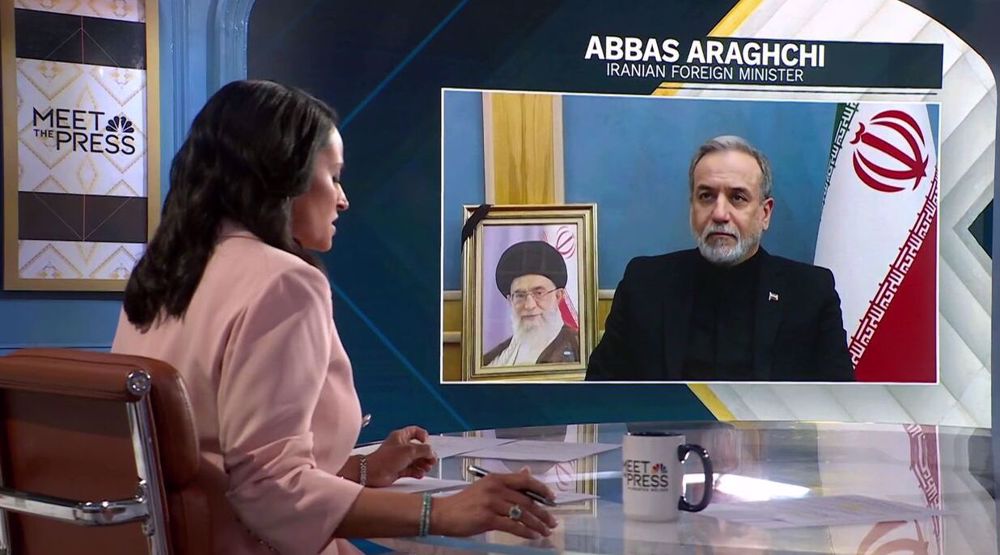
TEHRAN: Abbas Araghchi, the foreign minister of Iran, has said Tehran will reject any calls for a temporary ceasefire in the ongoing conflict with the United States and Israel, insisting that only a “permanent end” to what he described as aggression would be acceptable.
Speaking in an interview with NBC News’ program Meet the Press on Sunday, Araghchi said Iran had already experienced a broken ceasefire following a previous conflict and would not accept another temporary truce.
According to him, a ceasefire had been reached to end a 12-day war last year but was later violated. “And now you want to ask for a ceasefire again? This doesn’t work like this,” Araghchi said, emphasizing that any future agreement must guarantee a lasting end to hostilities.
He added that Iran would continue fighting until its security and the interests of its people were fully protected. “Unless we get to a permanent end to the war, we need to continue fighting for the sake of our people and our security,” he said.
The remarks came after comments by Donald Trump, who recently said the only way to end the conflict would be for Iran to declare “unconditional surrender.” Araghchi dismissed the idea, saying similar demands had been made during previous tensions with Tehran and would never be accepted.
“Iran will never surrender,” the foreign minister said, adding that the country would continue its resistance for as long as necessary.
During the interview, Araghchi also addressed questions about alleged intelligence cooperation between Iran and Russia. While he did not confirm whether Moscow was providing specific intelligence support in the war, he acknowledged that the two countries maintain longstanding cooperation.
“They are helping us in many different directions. I don’t have detailed information,” he said, adding that cooperation between Tehran and Moscow “is not new and not a secret.”
The conflict intensified after attacks launched on Feb. 28 by the United States and Israel against Iran. Iranian officials said the strikes resulted in the deaths of several senior military commanders and the leader of the Islamic Revolution, Ayatollah Seyyed Ali Khamenei.
In response, Iranian armed forces have launched multiple waves of retaliatory strikes using missiles and drones targeting U.S. military bases across West Asia and Israeli military facilities in the occupied territories.
According to various media reports, the attacks have caused significant damage to military infrastructure, with losses estimated in the billions of dollars, further raising concerns that the conflict could escalate into a broader regional war.