

Indonesia Chairs UN Human Rights Council for First Time: Opportunity or Symbolic Gesture?
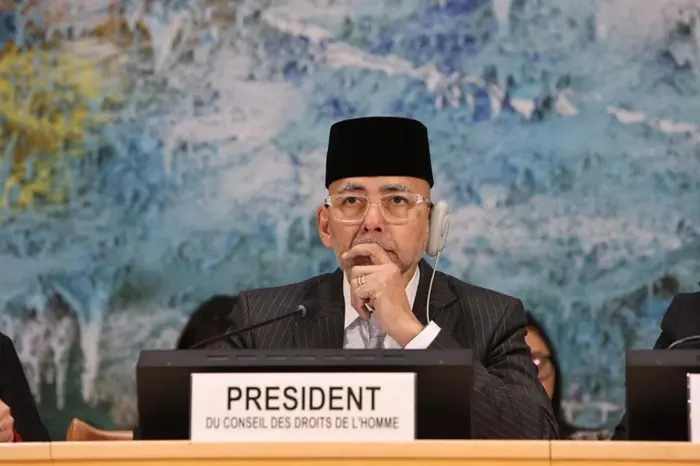
JAKARTA, 19 January: Indonesia has been elected to chair the United Nations Human Rights Council (UNHRC) in 2026, marking a first in the country’s 80-year history of independence. While Indonesian officials have welcomed the appointment as recognition of the country’s growing international stature, human rights experts and advocacy groups have raised questions about whether the leadership role will lead to real improvements in Indonesia’s domestic human rights record.
Indonesian Human Rights Minister Natalius Pigai described the appointment as a historic achievement. “This is the first time Indonesia is leading an international, multilateral body,” he said on Jan 6. The Ministry of Foreign Affairs highlighted that Indonesia’s reputation as a “bridge builder” and consistent advocacy for human rights at the international level earned it the post.
However, critics have pointed to Indonesia’s recent human rights challenges, including crackdowns on protesters, attacks on human rights defenders, and inadequate disaster response. Amnesty International Indonesia described 2025 as a “human rights catastrophe,” citing over 5,300 arbitrary arrests and 238 attacks on defenders, while UN experts have flagged forced evictions and lack of recognition for indigenous communities.
Experts caution against complacency
Amnesty International Indonesia’s executive director, Usman Hamid, said Indonesia’s appointment reflects regional rotation rather than progress on human rights. Associate Professor Shofwan Al Banna Choiruzzad of the University of Indonesia warned that the government could use the chairmanship to reduce international pressure without addressing domestic issues.
On the other hand, some observers see the role as a potential turning point. Teuku Rezasyah, an international relations expert at Padjadjaran University, noted that “no country is free from human rights challenges,” but Indonesia could use its presidency to demonstrate impartiality and progress. Former MP Eva Kusuma Sundari described the appointment as a strategic opportunity to leverage Indonesia’s position, population, and democratic credentials on the global stage.
Dimas Bagus Arya, head of the Commission for the Disappeared and Victims of Violence, emphasized that Indonesia’s leadership role could either strengthen human rights protection domestically or risk becoming “an empty symbol” if not accompanied by real action.
The appointment places Indonesia at the forefront of international human rights diplomacy, but observers say the country must now prove that its leadership is more than ceremonial requiring principled advocacy, political will, and measurable progress at home.