

Saudi Arabia Enhances Pilgrimage Experience with Record Growth and Satisfaction in 2024
RIYADH, July 6: Saudi Arabia’s Pilgrim Experience Program has reported record-breaking achievements in its 2024 annual report, highlighting significant growth in pilgrim arrivals, improved service quality, and enhanced visitor satisfaction—solidifying the Kingdom’s commitment to transforming the pilgrimage experience in line with Vision 2030.
The report revealed a 101 percent increase in pilgrim and Umrah performer arrivals compared to 2022, with more than 18.5 million international visitors arriving in 2024. Of this figure, 16.92 million were Umrah performers, exceeding the year’s projected targets.
The program, a key component of Saudi Arabia’s Vision 2030, attributes this growth to cross-sector collaboration and streamlined procedures that made the pilgrimage journey more efficient and spiritually enriching. It implemented 89 key initiatives across the pilgrim journey—spanning transport, rituals, and visits to historical sites—with a 95 percent compliance rate involving over 40 government entities.
Dr. Tawfiq Al-Rabiah, Minister of Hajj and Umrah and chairman of the Pilgrim Experience Program committee, emphasized the leadership’s unwavering focus on enhancing the Hajj and Umrah experience.
“The achievements are the result of a unified national effort, driven by a deep sense of religious and national responsibility,” he said.
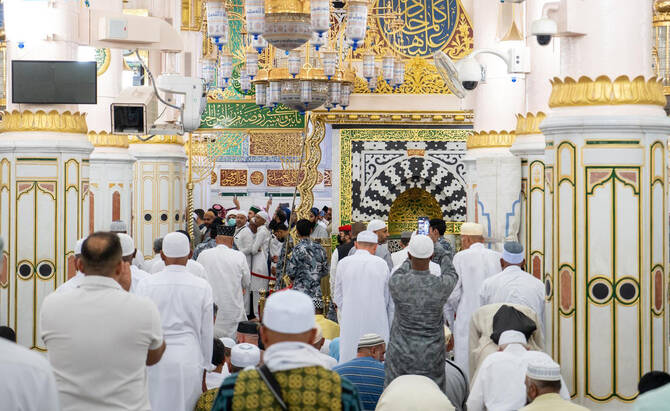
One of the report’s standout highlights was the surge in visitors to Al-Rawdah Al-Sharifah, which welcomed over 13 million people in 2024—up from 4 million in 2022. This improvement was mirrored in satisfaction levels, which climbed from 57 percent to 81 percent, underscoring the positive impact of service enhancements.
The culture of volunteerism also flourished, with more than 153,000 volunteers supporting pilgrims in 2024—compared to just 15,000 in 2022. This reflects growing public engagement and social responsibility.
International efforts were equally robust. The program led 33 overseas visits to coordinate with foreign governments and private entities, addressing logistical challenges, expanding seat capacities, and opening new travel corridors to better serve global pilgrims.
Digital innovation played a critical role. The Nusuk platform, which now offers over 100 services, significantly simplified travel planning, accommodation bookings, and religious arrangements.
Additionally, the Makkah Route Initiative—which fast-tracks immigration and customs procedures for pilgrims in their countries of origin—has benefited more than 940,000 travelers since its launch.
Saudi Arabia’s global standing as a spiritual and cultural destination also gained recognition. Makkah ranked fifth worldwide for international visitor numbers, while Madinah rose to seventh on the global tourism performance index, affirming the Kingdom’s leadership in religious tourism.
The report concluded by reiterating that serving pilgrims remains a top national priority, with ongoing innovation, integration, and investment to ensure a spiritually fulfilling and seamless journey for all visitors—now and in the future.
These developments mark another major stride in Saudi Arabia’s Vision 2030, as the Kingdom continues to elevate its global role as the heart of the Islamic world.