

PETRONAS Urged to Embrace Energy Transition Amid Economic and Geopolitical Challenges
KUALA LUMPUR, June 19, 2025 – Petroliam Nasional Berhad (PETRONAS) must adapt swiftly to the evolving demands of the global energy transition to maintain its relevance amidst ongoing economic uncertainties and rising geopolitical tensions.
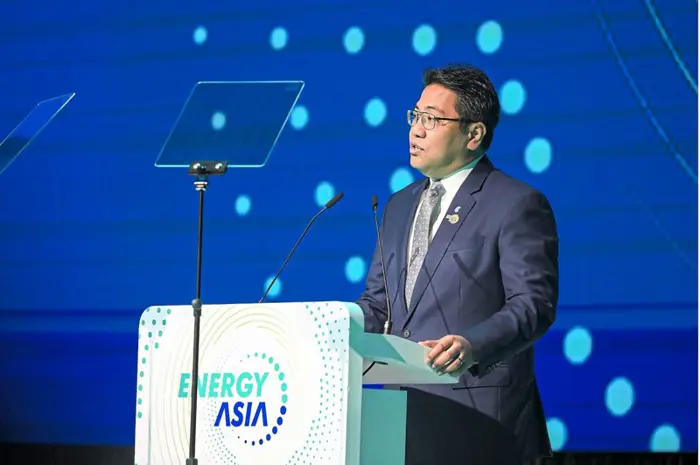
Speaking at the Energy Asia 2025 conference in Kuala Lumpur, PETRONAS President and Group CEO Tan Sri Tengku Muhammad Taufik Tengku Aziz emphasized that the national oil and gas company can no longer treat energy transition as an option—it is now a necessity.
“In the past, we were production-oriented; we produced, and people would buy,” he said in an exclusive interview with Bernama TV. “Today, we must understand market needs more deeply. We will only produce what people are willing to buy, not just based on capability, but also on their changing requirements. Supplying liquefied natural gas (LNG) to traditional markets like Japan may no longer be sufficient.”
Cleaner Hydrocarbon Production in the Short Term
In the short term, Tengku Taufik stressed the importance of making hydrocarbon production cleaner and reducing carbon intensity. This includes addressing methane leaks in accordance with global standards.
“First, achieving Gold Standard certification under the Oil and Gas Methane Partnership (OGMP) 2.0 is a must. Second, we are actively avoiding routine flaring or venting of gas,” he stated, noting that over 20 PETRONAS assets have already achieved zero routine flaring.
Accelerating Low-Carbon Solutions for the Future
Looking further ahead, Tengku Taufik said PETRONAS must accelerate initiatives in carbon capture and storage (CCS) and the development of specialty chemicals. These efforts, he emphasized, require proper platforms and strategic investments.
He reiterated the company’s commitment to transforming itself in alignment with a low-carbon energy future. “Transformation is not optional—it is critical for PETRONAS to thrive in the long term,” he added.
Strategic Portfolio Optimization Underway
As part of this transformation, PETRONAS is implementing strategic portfolio optimization by focusing on high-value assets and adjusting capital allocation.
“Optimizing the portfolio is no longer a choice—it is a mandatory activity for all energy players,” Tengku Taufik said. “If necessary, we will divest assets with higher carbon emissions and reinvest in assets that extend upstream production life.”
He added that similar adjustments are being made in the downstream sector. If divestment impacts profit margins, PETRONAS will replace them with assets offering more stable returns and lower exposure to market uncertainties.
Gentari’s Role in the Transition
Tengku Taufik also highlighted the role of Gentari, PETRONAS’ clean energy subsidiary, in navigating the low-carbon future. “Although returns may be lower, Gentari’s operations are less exposed to geopolitical and economic volatility, making it a key player in our energy transition strategy,” he said.
Gentari, fully owned by PETRONAS, focuses on renewable energy, hydrogen, and green mobility solutions as part of the group’s broader commitment to sustainability.
— Bernama