

PAS-Bersatu Split Follows Familiar Political Pattern: Saifuddin
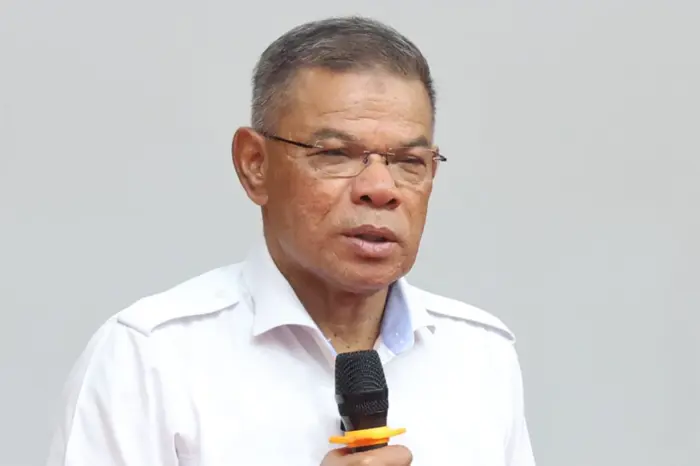
BATU PAHAT: The decision by PAS to officially end its political cooperation with Bersatu comes as no surprise, according to Pakatan Harapan Secretary-General Datuk Seri Saifuddin Nasution Ismail, who described the split as part of a recurring pattern in the Islamist party’s political history.
Speaking to reporters after attending a student engagement programme at Pusat Latihan Teknologi Batu Pahat on Tuesday, Saifuddin said political alliances involving PAS have often ended in separation.
“Looking at PAS’ political journey, this decision is not something unexpected. Those who cooperate with PAS eventually part ways. The only question is whether the separation is temporary or permanent,” he remarked.
Saifuddin pointed to PAS’ previous political partnerships, including its alliance with Semangat 46, cooperation within various opposition coalitions, and its collaboration with Umno under Muafakat Nasional, all of which eventually ended.
“Now Bersatu has joined that list. The question is who will be next,” he said.
The PKR vice-president also questioned PAS’ interpretation of penyatuan ummah (Muslim unity), arguing that political Islam should be guided by principles of justice, compassion, unity and the promotion of good governance.
“You cannot justify an alliance on the grounds of Muslim unity and then use the same argument after ending the partnership. Such principles should not be interpreted according to political convenience,” he added.
When asked whether the PAS-Bersatu split would benefit Pakatan Harapan, Saifuddin dismissed the notion that the coalition’s strength depends on divisions among its rivals.
He said Pakatan’s success would continue to rely on cooperation and mutual support among its component parties.
“When one party grows stronger, the entire coalition benefits. When one faces challenges, the others help it overcome those weaknesses. That is the essence of genuine political cooperation,” he said.
The remarks came a day after PAS President Abdul Hadi Awang announced that the party had officially terminated its political cooperation with Parti Pribumi Bersatu Malaysia with immediate effect.
The development marks a significant shift in Malaysia’s political landscape and is expected to fuel further debate over the future direction of opposition politics in the country.