

Malaysia Education Plan 2026-2035 A Strategic Intervention To Ensure Education System Remains Relevant
KUALA LUMPUR: The Malaysia Education Plan (RPM) 2026-2035 was formulated not merely as a continuation of the Malaysia Education Development Plan (PPPM) 2013-2025, but rather as a strategic intervention to ensure the country’s education system remains relevant.
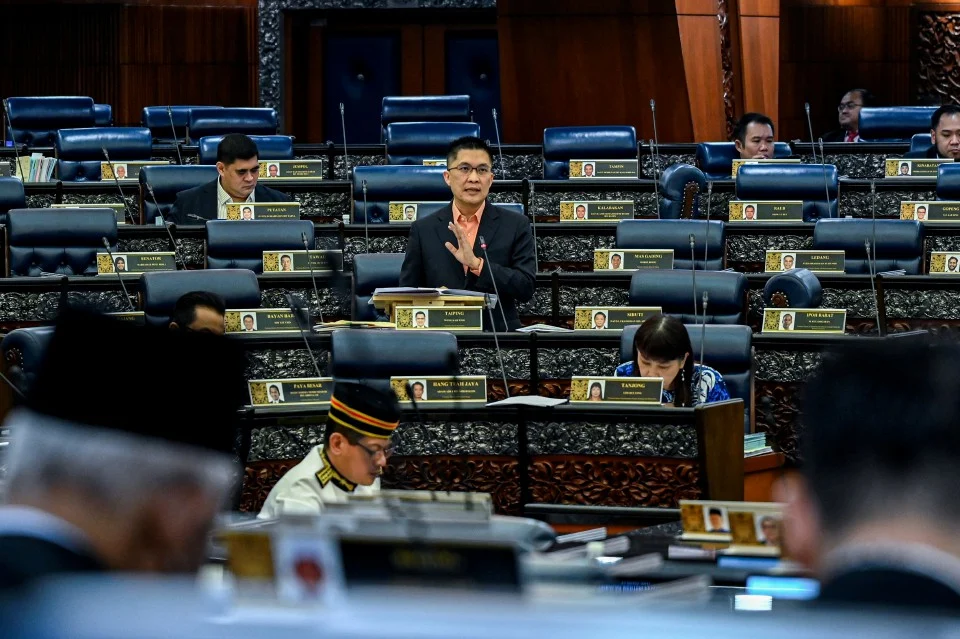
Deputy Education Minister, Wong Kah Woh, said RPM 2026-2035 carries the slogan ‘Bridging Gaps, Raising Quality, Achieving Success Together’ to drive a comprehensive leap in the quality of national education.
He said RPM 2026-2035 introduces five main focuses, two of which are new focuses, namely flexibility and sustainability.
“Flexibility refers to educators’ ability to adapt pedagogy according to students’ needs and technological developments, supported by the agility of education governance to enhance efficiency and accountability.
“Sustainability, meanwhile, is the effort to sustain the education system through the cultivation of sustainability practices encompassing environmental, social and economic dimensions, in line with the Sustainable Development Goals (SDGs),” he said during the question-and-answer session in the Dewan Rakyat here today.
He was responding to a question from Kamal Ashaari (PN-Kuala Krau), who wanted to know about the policy reforms introduced through RPM 2026-2035 compared to PPPM 2013-2025, as well as the key performance indicators used to measure the effectiveness of the country’s education transformation throughout its implementation period.
Kah Woh said RPM 2026-2035 also places deep emphasis on education reform through the 2027 School Curriculum, which will be introduced in January next year.
He said there are five main targets outlined throughout the implementation period of RPM 2026-2035, including aspects of quality and academic achievement.
“Students are targeted to achieve at least a Grade C for all four core subjects, namely Bahasa Melayu, English, Mathematics and History, as well as mastery of literacy and numeracy by the end of Level One, achievement of scores equivalent to international standards, and mastery of critical and creative thinking skills.
“In addition, from the aspect of language and digital mastery, all students are targeted to master at least bilingual skills.
“Furthermore, from the aspect of socio-emotional and physical well-being, the targets include the achievement of a healthy socio-emotional level and good manners among students, as well as at least 90 per cent of students from Level Two to Form Five achieving a fit physical fitness level through the SEGAK test,” he said.
Kah Woh said the targets also involve the aspect of access and equity.
He said the Ministry of Education targets universal enrolment at every level of education from preschool to upper secondary, a 50 per cent reduction in the achievement gap between urban and rural areas, and a 70 per cent reduction in the achievement gap according to gender and socioeconomic status.
“In addition, from the aspect of school management, autonomy and infrastructure, the Ministry of Education targets 33 per cent of schools to achieve excellent quality status, and all educational institutions to obtain guided autonomy in at least one area of management.
“Furthermore, all institutions will be equipped with basic infrastructure, including the upgrading of dilapidated buildings, as well as high-speed internet connectivity and digital devices,” he said.
Berita Harian