

Simple Blood Sugar Test Could Help 5 Million Malaysians Prevent Diabetes
More Malaysians are becoming conscious of how much sugar they consume, and many are adopting the idea of “kurang manis” (least sweet) while placing drink orders.
The fact that the incidence of diabetes and pre-diabetes is still rising in spite of these encouraging initiatives suggests that more extensive action is required to address this urgent health concern.
A startling 15.6% of Malaysian people currently have diabetes, according to the National Health and Morbidity Survey Report 2023.
To make matters worse, a recent Health Ministry survey found that one in six Malaysians, or around five million people, are at risk of acquiring diabetes or pre-diabetes.
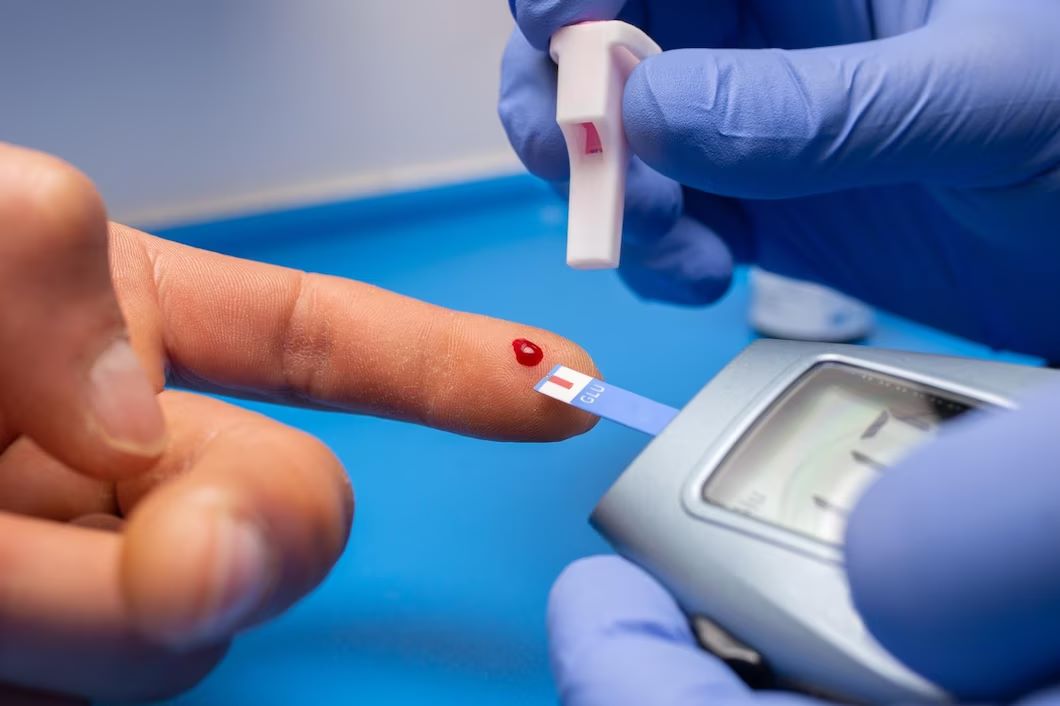
Alarmingly, the survey also highlighted that 76 percent of respondents had never tested their blood sugar levels, underscoring the urgent need for increased awareness and preventative measures.
Understanding blood sugar
Glucose, or blood sugar, is necessary for our bodies to produce energy.
It comes from our diet and is controlled by the insulin hormone.
Contrary to popular opinion, glucose isn’t just found in sugar. It can be found in a variety of foods, including fruits, vegetables, dairy products, carbs (grains, bread, pasta, and legumes), and of course, sugar and sweeteners.
Thus, it is essential to maintain normal blood sugar levels and a sufficient intake of glucose for general health, since deviations might result in major health problems.
Why should you test your blood sugar more often?
To detect and treat diabetes and pre-diabetes early, routine blood sugar testing is essential.
You can spot possible issues before they become more serious by keeping an eye on your blood sugar levels.
Thus, prompt actions can result from early diagnosis, which is essential for efficiently managing health outcomes.
What is pre-diabetes?
Blood sugar levels that are higher than normal but not yet high enough to be categorized as type 2 diabetes are known as pre-diabetes.
If you don’t make some lifestyle adjustments, it’s a warning indication that you could get diabetes.
Pre-diabetes is typically missed unless tested because it lacks obvious symptoms. On the other hand, some people could exhibit symptoms like excessive thirst or frequent urination.
Pre-diabetes is likely to develop into diabetes without treatment and lifestyle modifications, raising the risk of serious health issues such as heart disease, stroke, kidney disease, and nerve damage.
Risks of being diabetic
Chronically high blood sugar levels are a major health risk for those with diabetes, particularly if the condition is poorly managed.
Cardiovascular disease, nerve damage, renal damage, eye damage, and an elevated risk of infection are among them.
Diabetes can also result in long-term issues like skin disorders, hearing loss, and damage to the feet.
Factors leading to diabetes
Contrary to popular opinion, diabetes is not solely caused by eating sugary foods.
A mix of lifestyle, environmental, and genetic variables contribute to the disease’s development.
Among the many relevant factors are:
1. Insulin resistance: The pancreas produces the hormone insulin, which controls blood sugar, but the body’s cells are resistant to it in people with Type 2 diabetes. This implies that greater blood sugar levels are the result of the body needing more insulin to regulate blood sugar.
2. Obesity: One of the main risk factors for type 2 diabetes is having too much body fat, especially around the belly. Insulin resistance can result from the production of hormones and other chemicals by fat tissue.
3. Poor diet: A diet high in processed sugar, refined carbohydrates, and saturated fats can lead to weight gain and eventually increase the risk of diabetes.
4. Genetics: A family history of diabetes increases the likelihood of developing the condition.
5. Sedentary lifestyle: Physical inactivity contributes to weight gain and increases the risk of developing insulin resistance.
Can diabetes be reversed?
Fortunately, there is a strong likelihood that pre-diabetes can be reversed with lifestyle modifications.
The same is true for Type 2 diabetes, which is frequently controllable and may even be remissionable in certain circumstances, meaning that blood sugar levels can return to normal without the need for diabetes drugs.
This, however, differs from a true “cure” or total reversal because it necessitates long-term lifestyle adjustments.
Managing these problems can be accomplished through keeping a healthy weight, eating a balanced diet, getting regular exercise, and routinely checking blood sugar levels.
However, this is not applicable to Type 1 diabetes, which necessitates ongoing care through insulin administration, food restriction, and routine blood sugar testing.