

Colombian Mercenaries Training Child Soldiers in Sudan Raises Global Alarm
Malaysia Monitors Growing Threat as Conflicts Spread from Africa to Asia
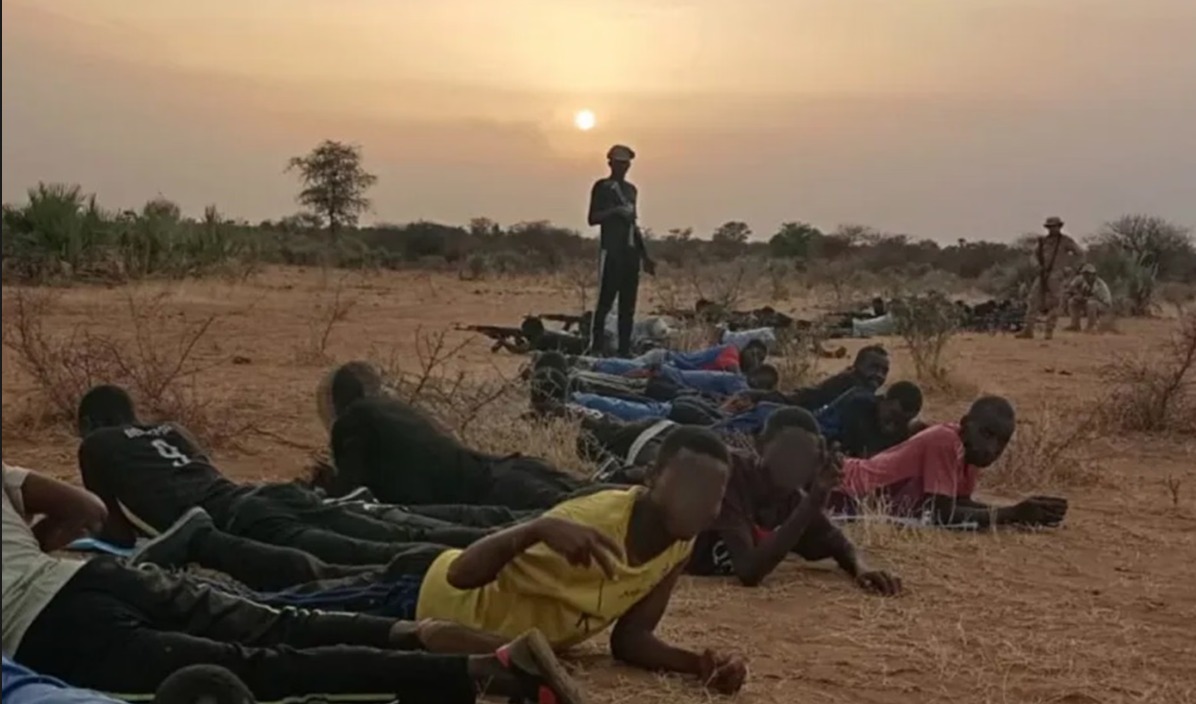
KUALA LUMPUR — Malaysia is closely monitoring growing global concerns after a shocking international investigation revealed that Colombian mercenaries are allegedly training child soldiers in Sudan, underscoring the expanding reach of privatized warfare across continents.
A report published by The Guardian on Oct 8 detailed how hundreds of former Colombian soldiers have been recruited to fight alongside Sudan’s paramilitary Rapid Support Forces (RSF) in the country’s ongoing civil war. Disturbingly, the report claims that these mercenaries have been involved in training Sudanese children to fight — a direct violation of international law and human rights conventions.
The exposé centers on a former Colombian soldier identified only as “Carlos,” who said he was among hundreds flown to Sudan via a network of private contractors. Initially told they would be protecting oil facilities, many of the recruits later discovered they were being deployed to front-line combat zones.
“Some were barely teenagers,” Carlos told The Guardian, describing his experience at the RSF siege of El-Fasher in North Darfur. “They were scared, but they followed orders.”
Images emerging from the Zamzam displacement camp in North Darfur appeared to confirm the presence of child fighters under the supervision of foreign mercenaries. The United Nations later described the massacre that followed as one of the most horrific episodes of Sudan’s war.
Colombia’s Foreign Ministry has since apologised, admitting that its citizens had been deceived into joining foreign conflicts under false pretences. However, analysts say the issue is deeply rooted in Colombia’s military structure, where professional soldiers are often forced to retire at around 40, with limited financial security and few reintegration options.
Sean McFate, international security expert and author of The Modern Mercenary, told The Guardian that Colombia has become one of the world’s largest sources of hired guns. “Mercenaries offer governments a loophole in international law — plausible deniability,” he said. “If they die or are captured, no government has to take responsibility.”
The same pattern has appeared elsewhere. In 2021, 18 Colombian ex-soldiers were arrested for the assassination of Haitian President Jovenel Moïse, while others have fought in Ukraine and Yemen.
Colombian President Gustavo Petro has condemned the phenomenon, calling it “a trade in men reduced to instruments of death,” and has pledged reforms to prevent veterans from being drawn into mercenary work.
For Malaysia, a nation that has long positioned itself as a mediator in regional and global peace efforts — from Myanmar and Palestine to southern Thailand and Cambodia — the revelations serve as a sobering reminder of how modern warfare increasingly blurs the line between state and private violence.
Analysts in Kuala Lumpur warn that the rise of “for-profit warfare” threatens not only Africa but could eventually destabilize parts of Asia as private contractors exploit economic desperation and weak governance.
“The Sudan case underscores a grim global trend,” said one regional security observer. “When war becomes a business, children and civilians become its cheapest currency.”
As global institutions struggle to rein in private armies and cross-border recruitment, Malaysia’s consistent call in international forums — that peace cannot be privatised — now carries renewed relevance.
“When mercenaries move faster than diplomacy, the world must remember that peace, not profit, should guide humanity’s future,” one senior Malaysian diplomat said.