

China is on alert as the U.S. pushes trade deals aimed at excluding Chinese firms
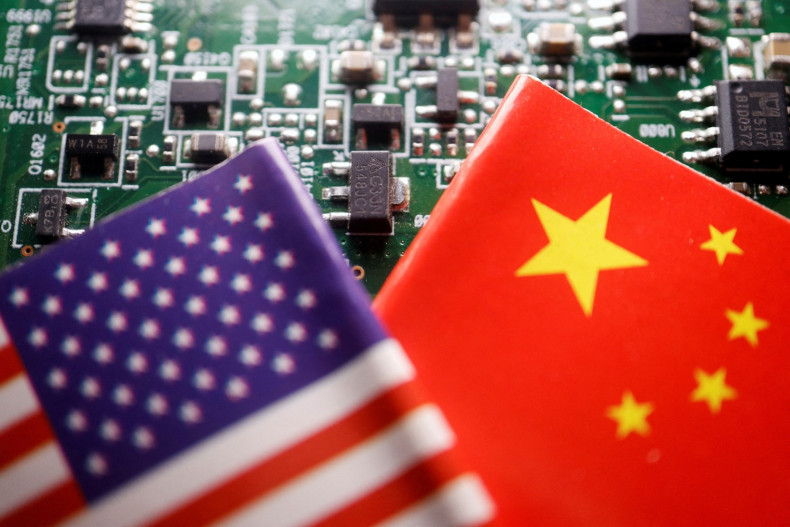
BEIJING, July 2— While a fragile trade truce between Washington and Beijing remains intact, China is growing increasingly concerned about a new wave of U.S.-led trade negotiations that could sideline Chinese companies from key global supply chains.
According to reports, U.S. officials are accelerating talks with major trading partners across Asia and Europe ahead of a crucial July 9 deadline. These negotiations aim to establish new trade agreements that include measures to limit Chinese content or impose stricter rules on origin and value-add criteria—steps that analysts say could weaken China’s integration into international markets.
India is reportedly among the closest to finalizing a deal. The U.S. is pressing New Delhi to enforce rules that require at least 60% of a product’s value to be added domestically to qualify as “Made in India” and receive preferential trade benefits. India, however, is pushing to reduce that threshold to around 35%, Bloomberg reported.
Vietnam is also facing U.S. pressure to implement a tiered tariff structure that would impose higher duties on goods containing a significant proportion of Chinese-made components. Exports with the highest levels of foreign content could face tariffs of 20% or more, according to sources familiar with the discussions.
The strategy reflects Washington’s broader attempt to counter what it views as China’s unfair trade practices while also incentivizing countries to shift supply chains away from Chinese dependency. The Biden administration has maintained a firm stance on trade enforcement while simultaneously building coalitions to strengthen economic resilience among allies.
Chinese officials have yet to publicly respond to the latest round of trade negotiations, but Beijing has previously condemned similar efforts as “protectionist” and warned that excluding Chinese firms from global supply networks could disrupt economic recovery worldwide.
Analysts say that if the proposed agreements are finalized, they could represent a major change in global trade dynamics, particularly in electronics, textiles, and other manufacturing sectors where Chinese components play a dominant role.
The outcome of the ongoing talks is expected to shape the next phase of U.S.-China economic relations and could have lasting implications for global supply chains.