

ASEAN Summit: Work-From-Home Policy for Civil Servants May Inspire Private Sector Flexibility (MEF)
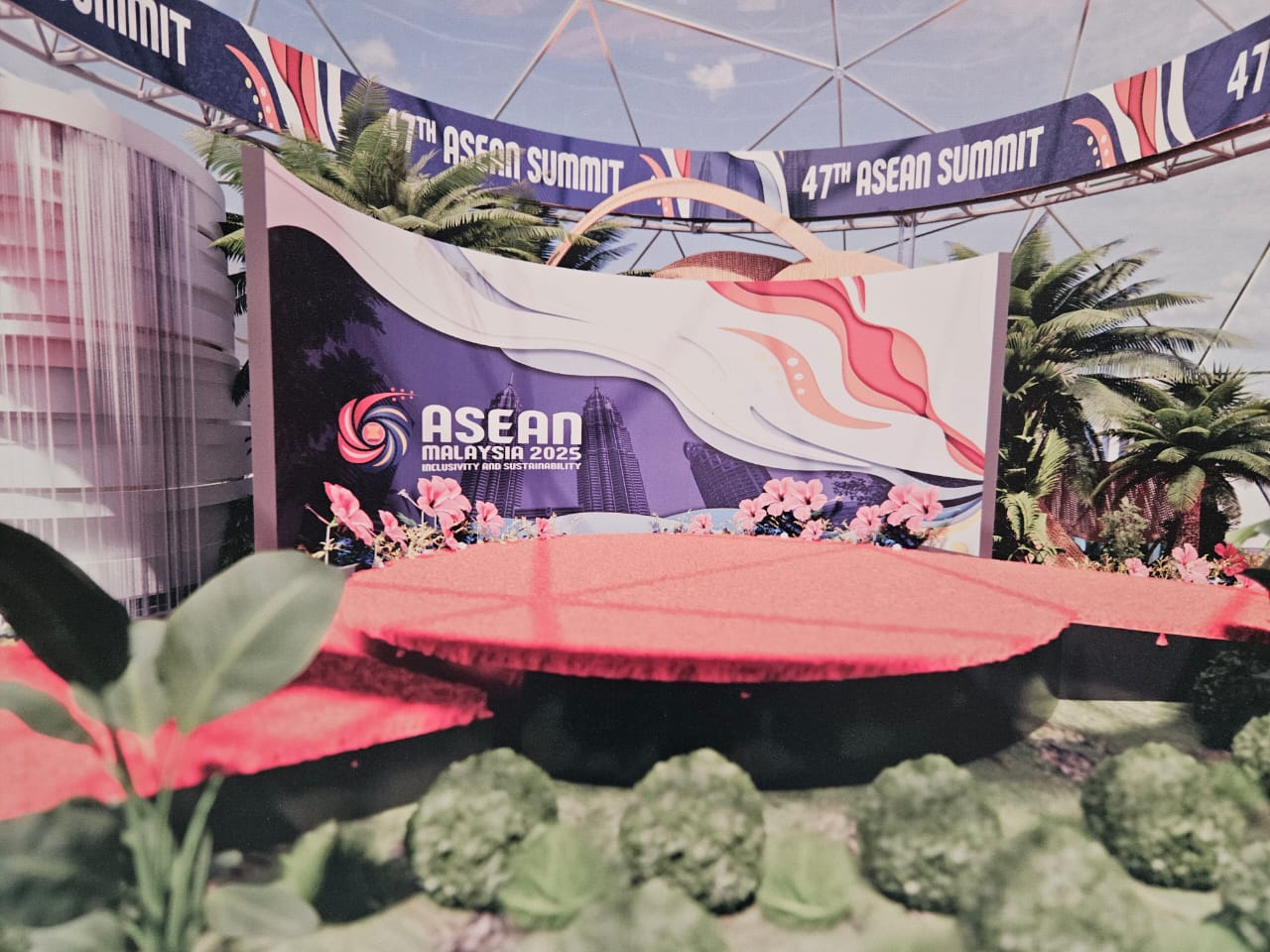
Kuala Lumpur, Oct 13: The government’s decision to allow civil servants to work from home (BDR) during the upcoming ASEAN Summit could encourage private companies to reassess their own employment and flexibility policies, said the Malaysian Employers Federation (MEF).
MEF president Datuk Dr. Syed Hussain Syed Husman said this development presents an opportunity for the private sector to remain competitive, adaptable, and responsive to the evolving needs of the workforce.
“The initiative by the government is timely. It highlights the importance of flexibility in managing productivity and employee welfare. However, in the private sector, such implementation must be voluntary and based on each company’s operational needs and productivity outcomes,” he told Voice of Malaysia News on Monday.
Earlier, the Public Service Department (PSD) announced that department heads have been given the authority to approve work-from-home applications for officers residing within a 25-kilometer radius of their offices, especially those affected by expected traffic congestion during the ASEAN Summit.
Dr. Syed Hussain noted that while the public sector’s move is commendable, private businesses operate under different performance pressures such as accountability, client expectations, and market competition.
“Flexibility is not a one-size-fits-all approach. For industries like manufacturing, logistics, healthcare, construction, and retail, physical presence is critical to ensure safety, efficiency, and service continuity,” he said.
He added that knowledge-based and service oriented industries such as IT, consulting, and finance may find hybrid or partially remote work models more suitable.
However, Syed Hussain emphasized that implementing flexible arrangements in the private sector requires structured planning and oversight, including reforms in performance management, cybersecurity, communication systems, and workplace culture.
“Without a clear framework and measurable goals, productivity could decline, and teamwork may suffer. Employers should implement flexibility based on actual operational needs whether through staggered working hours, compressed workweeks, or hybrid schedules as long as it does not compromise quality or business continuity,” he said.
The MEF believes that Malaysia’s continued progress toward modern workforce practices should balance both employee well-being and economic competitiveness, especially as the country prepares to host the 47th ASEAN Summit in Kuala Lumpur later this month.
— Voice of Malaysia News