

BKN 2026 Strengthens Disaster Risk Preparedness
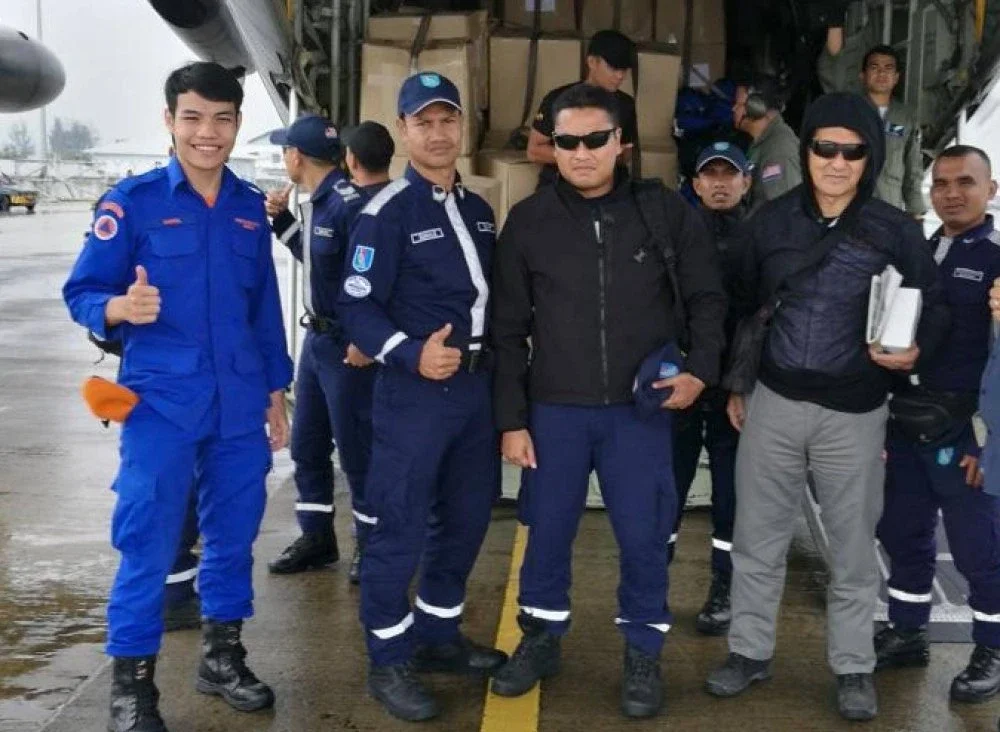
The National Preparedness Month (BKN) 2026, scheduled for October 10 and 11 at the Ipoh Convention Centre in Perak, serves as an important platform to raise public awareness of the importance of preparing for disasters and emergencies.
Themed “MADANI Preparedness, A Shared Responsibility”, the programme, which will run from 9 am to 10 pm, brings together key personnel from various ministries, departments and enforcement agencies under an integrated operation coordinated by the National Disaster Management Agency (NADMA).
Former NADMA Deputy Director-General (Operations Coordination) Datuk Zainal Azman Abu Seman said BKN 2026 focuses not only on responding to disasters but also on the importance of early preparation, basic knowledge and the community’s ability to act quickly and efficiently during emergencies.
He said the approach was particularly important as Malaysia frequently faces threats such as floods, landslides, storms, fires and other unforeseen incidents.
“NADMA is now entering its 11th year of establishment, with the agency responsible for coordinating and implementing disaster management operations at the federal, state and district levels.
“As everyone knows, its establishment was prompted by the devastating ‘Yellow Flood’ disaster in 2014, which affected Kelantan, Terengganu, Pahang and Johor.
“As we approach the end of the year and the Northeast Monsoon season, BKN 2026 in Ipoh will provide the public with greater exposure and awareness of how to respond and prepare before, during and after disasters,” he told Sinar Harian on Monday.
Each year, BKN brings together technical and emergency response agencies, including the Malaysian Meteorological Department (MetMalaysia), Fire and Rescue Department of Malaysia (JBPM), Department of Irrigation and Drainage (DID), Public Works Department (JKR), People’s Volunteer Corps (RELA) and Department of Minerals and Geoscience Malaysia (JMG).
Other agencies and specialised teams involved in rescue operations include the Special Malaysia Disaster Assistance and Rescue Team (SMART), engineering units of the Malaysian Armed Forces (ATM), Malaysia Civil Defence Force (APM), Ministry of Health Malaysia (MOH) and non-governmental organisations (NGOs).
In this regard, the Social Welfare Department (JKM) also deserves the highest recognition for providing extensive assistance to victims before, during and after disasters.
Zainal Azman added that NADMA also plays a role through its Community-Based Disaster Risk Management programme to ensure the coordination of military assets, enforcement personnel, rescue assistance and centralised disaster management across Peninsular Malaysia, Sabah and Sarawak.
Through BKN 2026, the public will be educated on proper methods of safeguarding important documents, including identity cards, birth certificates, official certificates, land titles and other essential records, in the event their homes are affected by disasters.
Zainal Azman said this was particularly important as many people remained unaware of the need to protect such documents.
“In my view, members of the public should be provided with waterproof bags to store their important documents and personal belongings, and I hope these can be distributed during BKN 2026. They are also essential for documentation purposes at temporary evacuation centres (PPS).
“Furthermore, the public should be educated on keeping emergency kits, medicines and canned food in every household. These practices have yet to become deeply ingrained in society.
“However, through continuous education and awareness campaigns, we can certainly develop a community that is prepared to face any unexpected situation,” said Zainal Azman, who is also a member of the Malaysian Anti-Corruption Commission (MACC) Advisory Board and chairman of the Perak Crime Prevention Foundation.
More Systematic Aid Distribution Needed to Prevent Overlaps
Asked about improvements that should be prioritised in organising BKN 2026, Zainal Azman, a former Perak State Secretary, offered several suggestions.
He said a more comprehensive psychological support approach should be strengthened to help disaster victims recover from trauma, while the number of volunteers should be increased to support aid distribution operations, particularly in remote areas.
“For example, volunteers from organisations such as the Malaysian Red Crescent Society (MRCS) can be mobilised more systematically through clear instructions and effective coordination.
“This would help prevent overlapping aid distribution, as some areas receive excessive assistance while others remain underserved due to geographical conditions and differences in accessibility.
“Nevertheless, I believe NADMA has implemented various awareness programmes to improve early disaster preparedness. At the same time, the public must strengthen their knowledge and skills and make thorough preparations to better face any unwanted incidents.
“With a population of 34 million, NADMA’s outreach efforts must be continuously improved, with particular attention given to remote areas, especially in Sabah and Sarawak,” Zainal Azman said.
BKN 2026 Must Drive a Culture of Year-Round Preparedness
Meanwhile, former NADMA Chief Operations Implementation Officer Colonel (Rtd) Dr Mohd Sakri Hussin said BKN 2026 should serve as a catalyst for developing a year-round culture of preparedness, with its success measured by the ability of agencies and the public to respond effectively during disasters.
He said the organisation of BKN 2026 in collaboration with the Perak State Government and Ipoh City Council provided an important platform for strengthening inter-agency cooperation and increasing public awareness of disaster risk management.
“Safety strategies must begin before disasters occur by identifying high-risk areas, preparing evacuation routes, ensuring evacuation centres are always ready and safeguarding the continuity of water, electricity, communications and healthcare services.
“In addition, inter-agency coordination must be tested through realistic scenario-based exercises to ensure every party understands its respective role during emergencies,” he said.
Mohd Sakri also stressed that the public must be equipped with practical skills, including evacuation drills, first aid and emergency kit preparation, supported by clear and easily understood government communications.
“Awareness is only meaningful when people know what they need to do to protect themselves, their families and their communities.
“BKN 2026 must become a catalyst for a sustained culture of preparedness, rather than merely an annual programme,” he said.
Sinar Harian