

Sri Muda Flood Lawsuit Should Serve as a ‘Wake-Up Call’ for Local Authorities
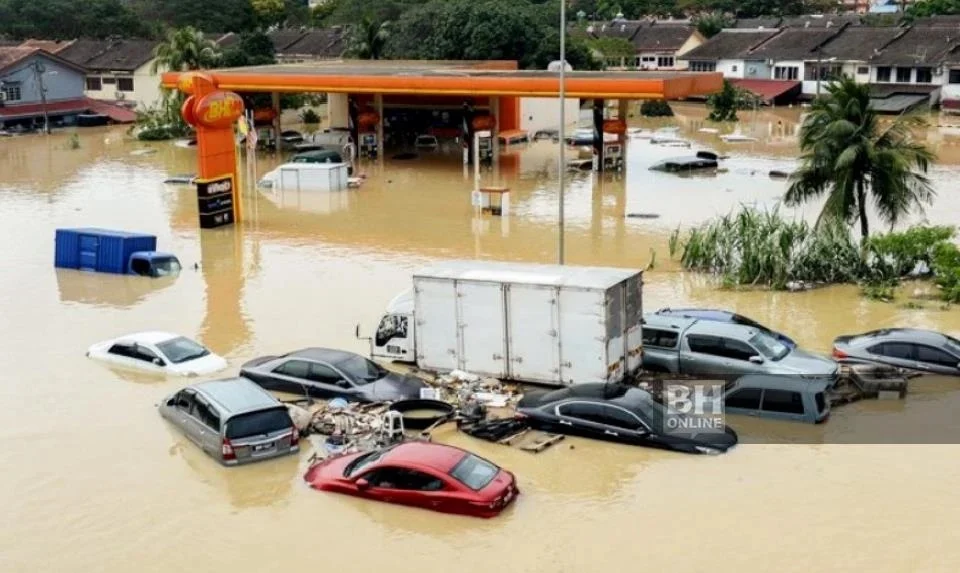
THE Shah Alam High Court’s decision in favour of 50 Taman Sri Muda residents in a lawsuit over the devastating December 2021 floods should serve as a “wake-up call” to all local authorities (PBT), state governments and federal agencies.
It sends an important message that failure to fulfil responsibilities, operational negligence or shortcomings in responding to disasters can not only be questioned by the public but may also result in legal action.
The court ruled that the Federal Government and relevant agencies, including the Selangor Department of Irrigation and Drainage (JPS) and Shah Alam City Council (MBSA), were liable for negligence and failures related to the floods. More importantly, the defence that the disaster was caused by extraordinary rainfall was not accepted when reasonable human intervention could have mitigated its impact.
The decision should change the way governments view their responsibilities towards the public, particularly in disaster management. When major floods occur, explanations such as climate change, unexpected rainfall, drainage system capacity or overlapping jurisdictions are often cited, while the public bears the cost of property damage, loss of income and, in some cases, loss of life.
We remind all local authorities that the collection of assessment taxes comes with a responsibility to ensure that public facilities and services under their jurisdiction function properly. Clogged drainage systems, poorly maintained retention ponds, ignored public complaints or failure to monitor high-risk areas cannot be treated merely as routine administrative issues when such negligence ultimately results in losses to the community.
Likewise, state governments and federal agencies cannot hide behind jurisdictional boundaries when disasters occur. The public should not have to determine who is responsible for drains, who manages rivers, who oversees retention ponds or which authority should issue warnings when floodwaters enter their homes.
Therefore, the Taman Sri Muda ruling should prompt all state governments to conduct risk audits of their respective local authorities and agencies, particularly in areas repeatedly affected by floods. Maintenance records, risk-area mapping, early warning systems, operations control centres, communication chains and evacuation procedures should be reviewed regularly, putting the saying “prevention is better than cure” into practical action.
We also remind department heads and responsible officers to ensure that every public complaint and technical report is acted upon promptly. The era when lawsuits against governments or local authorities were considered difficult or cumbersome for the public may be changing as society becomes increasingly aware of its rights, as seen in legally informed societies in the West.
The decision does not mean that every disaster automatically makes the government liable, as some natural events are genuinely beyond human control. However, when foreseeable risks are involved, jurisdiction is clear and reasonable measures could have been taken but were not, governments and their agencies must recognise that they may be held accountable.
Although the Taman Sri Muda residents’ lawsuit may still be subject to appeal, it should serve as a lesson that similar legal action could eventually involve authorities in other cities, districts or states.
The government has effectively been given an indirect “warning” by the court about its responsibilities, as prevention, maintenance and preparedness are not administrative favours extended to the public, but fundamental duties that must be fulfilled.
Berita Harian