

Malaysia Strengthens National Food Security Strategy, PM Anwar Chairs First 2026 National Food Security Council Meeting
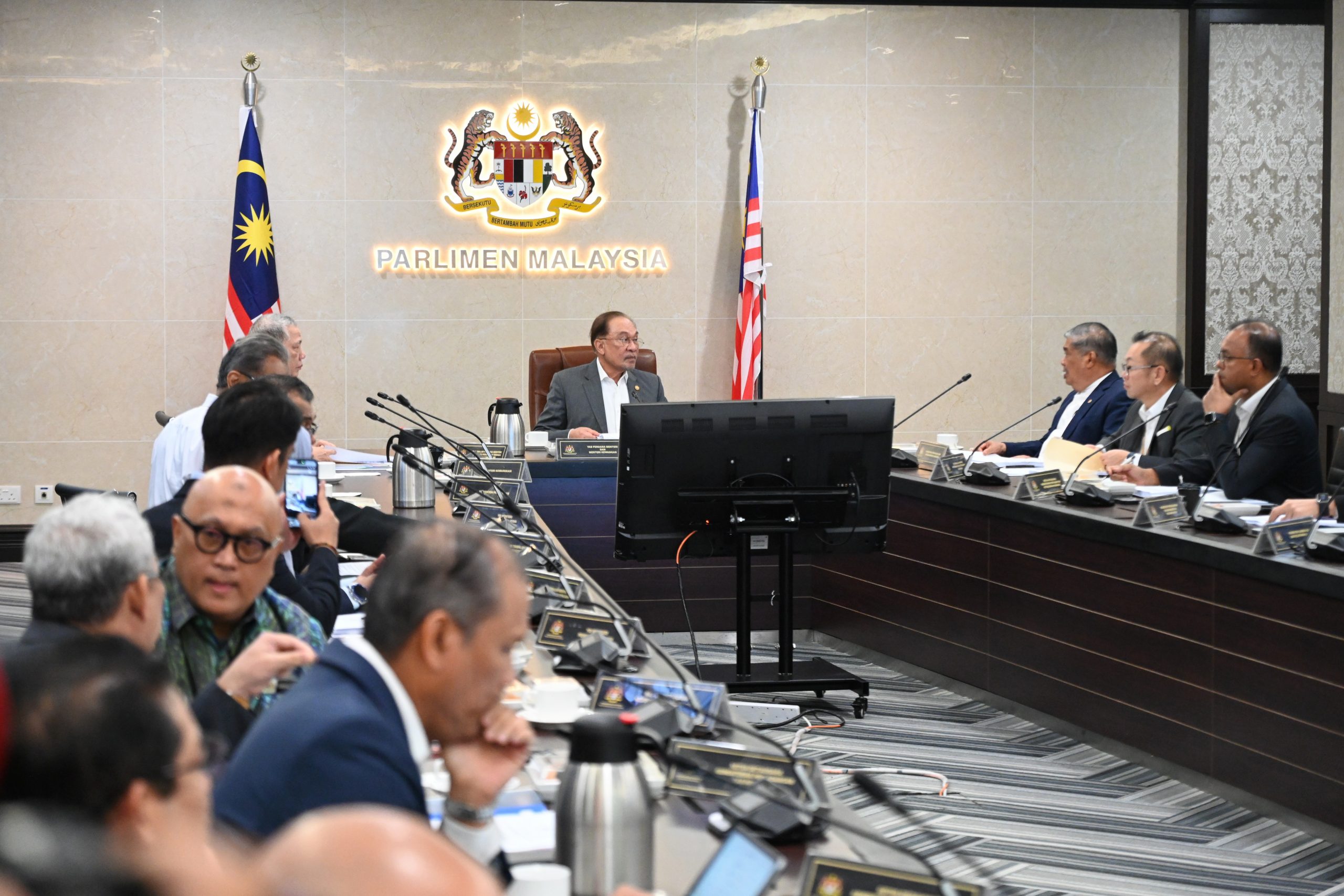
KUALA LUMPUR: The Malaysian government has reaffirmed its commitment to strengthening the country’s food security through comprehensive policy reforms, strategic investments, and cross-agency collaboration as the National Food Security Council (MKMN) Meeting No. 1/2026 outlined a series of high-impact initiatives aimed at enhancing the resilience of the agri-food sector.
The meeting, held on July 15 and chaired by Prime Minister Datuk Seri Anwar Ibrahim, brought together representatives from various ministries and government agencies to chart Malaysia’s long-term food security agenda amid growing global challenges.
According to a statement issued by Minister of Agriculture and Food Security Datuk Seri Mohamad Sabu, the council focused on setting a more comprehensive national direction for food security while identifying strategic measures to strengthen the country’s agri-food ecosystem.
Among the key proposals discussed was the feasibility and future direction of developing alternative protein sources in Malaysia as part of efforts to diversify the nation’s food supply and reduce dependence on conventional protein production.
The council also examined initiatives to enhance the competitiveness of Malaysia’s agricultural industry, alongside strategies to improve the services and operational efficiency of the Malaysian Fisheries Development Authority (LKIM) slipway facilities to support the country’s fisheries sector.
The meeting acknowledged that El Niño and the broader impacts of climate change continue to pose significant risks to Malaysia’s food production through prolonged droughts and unpredictable weather patterns.
To mitigate these threats, the Ministry of Agriculture and Food Security (KPKM) has developed a range of preventive, adaptive and protective measures designed to help farmers and agricultural producers safeguard food production against climate-related disruptions.
The government stressed that strengthening climate resilience remains a key component of its national food security strategy.
Council members also reviewed several long-standing trade issues affecting Malaysia’s agriculture and fisheries sectors.
These included Thailand’s export restrictions on Malaysian shrimp, which have remained in place since 2017, Malaysia’s import restrictions on Thai shrimp that took effect on June 1, 2026, stricter inspections imposed on Malaysian barramundi (siakap) exports to Thailand, and pending market access applications for Malaysian livestock products that have been awaiting approval since 2024.
The government said efforts are continuing to resolve these trade barriers through bilateral engagement to ensure smoother market access for Malaysian agricultural products.
The council was also briefed on preparations for the Malaysia Agriculture, Horticulture and Agrotourism Exhibition (MAHA 2026), which will be held from August 28 to September 6, 2026, at the Malaysia Agro Exposition Park Serdang (MAEPS).
The biennial exhibition is expected to serve as the country’s premier platform for promoting innovation, technology and sustainable transformation across Malaysia’s agri-food industry.
The government emphasised that food security remains a national priority requiring strong cooperation between federal and state agencies, industry players, researchers and farmers.
It said a holistic and strategic approach is essential to ensuring a sustainable food system capable of withstanding future global uncertainties while guaranteeing a stable food supply for the nation.
The National Food Security Council reaffirmed Malaysia’s commitment to building a resilient, competitive and sustainable agri-food sector that supports long-term economic growth and national well-being.