

Malaysia Braces for Possible Super El Niño as Temperatures May Reach 40°C in Early 2027
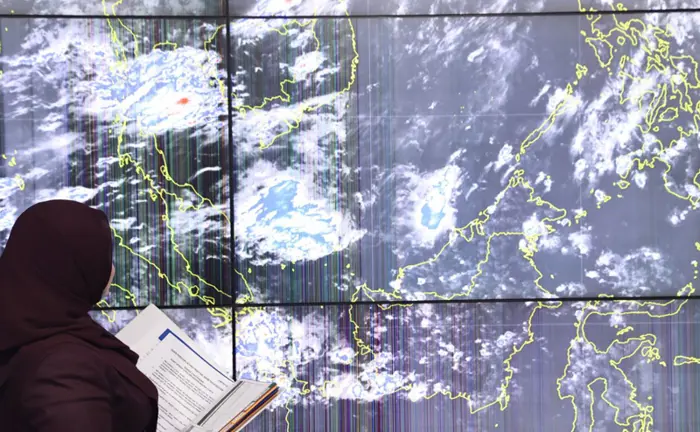
KUALA LUMPUR: Malaysia is preparing for the possible return of extreme heat conditions similar to the historic 1997–1998 El Niño, with temperatures in parts of the country expected to climb as high as 40°C early next year, according to the Malaysian Meteorological Department (MetMalaysia).
Speaking during a media briefing on Tuesday, MetMalaysia Deputy Director-General (Operations) Ambun Dindang said forecasts indicate that a strengthening Super El Niño is expected to peak between November 2026 and January 2027, bringing significantly reduced rainfall across much of the country.
He warned that if dry conditions persist, northern and central regions of Peninsular Malaysia could experience temperatures ranging from 39°C to 40°C, raising concerns over heat-related health risks, water shortages and increased wildfire activity.
Ambun compared the anticipated weather pattern to the severe 1997–1998 El Niño, one of the strongest on record, which triggered widespread haze, disrupted air travel, and caused water shortages across Southeast Asia. During that event, Malaysia recorded its highest-ever temperature of 40.1°C in Cuping, Perlis, on April 9, 1998.
To prepare for the potential impacts, government agencies have intensified monitoring and emergency planning. MetMalaysia is issuing monthly El Niño–Southern Oscillation (ENSO) updates, hot weather advisories, and alerts whenever an area records seven consecutive days without rainfall.
The department is also utilising the Fire Danger Rating System (FDRS) and the Community Multiscale Air Quality (CMAQ) haze forecasting model to assess wildfire and haze risks. Authorities remain ready to support cloud-seeding operations should conditions require intervention.
Meanwhile, the Fire and Rescue Department (JBPM) has enhanced its operational preparedness ahead of the expected dry season.
JBPM Division Director Nordin Pauzi said authorities have identified 183 fire-prone hotspots nationwide where fires have occurred at least five times over the past three years. Of these, 83 locations have experienced major open-burning incidents.
According to JBPM data, the states most affected by fire incidents between 2022 and June 2026 are Selangor, Johor, Kedah, Perak, Sabah, and Melaka.
In a separate briefing, Fire and Rescue Department Director-General Datuk Seri Nor Hisham Mohammad announced that 200 operational vehicles will be deployed this month to strengthen monitoring and firefighting capabilities.
The department is also expanding its use of drone technology for early fire detection and expects to receive two new helicopters between October and November to enhance aerial firefighting operations. JBPM is working closely with other government agencies to secure adequate water supplies, pumps, and logistical support for large-scale fire emergencies.
National Disaster Management Agency (Nadma) Director-General Meor Ismail Meor Akim stressed that preparedness and early action are essential to reducing the impact of extreme heat.
“Our objective is to reduce risks and injuries through proactive planning rather than eliminate them entirely,” he said, emphasising the importance of a whole-of-nation approach, including responsible public communication to prevent unnecessary panic.
Meor Ismail also revealed that Nadma has already conducted 11 cloud-seeding operations, covering 33 parliamentary constituencies, with priority given to replenishing water levels in reservoirs ahead of the anticipated dry spell.
Authorities continue to urge the public to stay informed through official weather updates, conserve water, avoid open burning, and take necessary precautions as Malaysia prepares for what could become one of the region’s most significant heat events in nearly three decades.