

NASA Reshapes Moon Landing Plan Amid Delays and Political Pressure
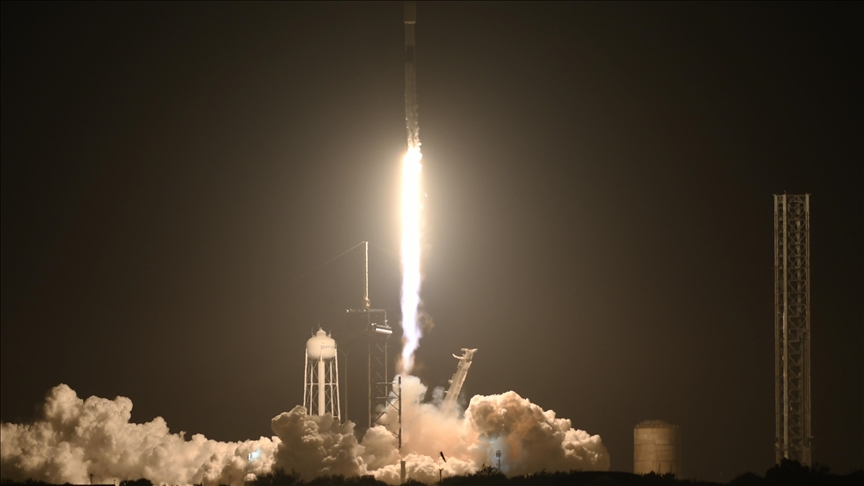
WASHINGTON/ISTANBUL, Oct 21: NASA has announced a major overhaul of its lunar landing strategy, reopening competition for new moon lander designs after delays in SpaceX’s Starship program and mounting political pressure from the White House to land astronauts before China.
According to a report by Ars Technica, Acting NASA Administrator Sean Duffy said on Monday that SpaceX, which holds a $2.9 billion Human Landing System (HLS) contract, has fallen behind schedule. Duffy added that President Donald Trump wants U.S. astronauts to return to the Moon’s surface within his current term, prompting NASA to invite other companies to bid for the lander project.
“They’re behind schedule, and the president wants to make sure we beat the Chinese,” Duffy told Fox News. “So I’m reopening that contract. I think we’ll see companies like Blue Origin get involved, and maybe others.”
The decision marks NASA’s clearest acknowledgment yet that its original goal of achieving a crewed lunar landing by 2027 is no longer attainable.
Currently, SpaceX and Blue Origin both hold NASA contracts to develop reusable lunar landers as part of the Artemis program. However, persistent technical challenges, particularly with in-space refueling, have slowed their progress.
Duffy hinted that traditional aerospace giants like Lockheed Martin could also enter the competition.
Lockheed Martin confirmed that it is already preparing alternative lunar lander concepts and is ready to step in.
“Throughout this year, Lockheed Martin has been performing significant technical and programmatic analysis for human lunar landers that would provide NASA with safe, reliable options to return humans to the Moon as quickly as possible,” said Bob Behnken, vice president of exploration and technology strategy at Lockheed Martin Space.
Expanding NASA’s moon program could require additional congressional funding, with total costs projected to rise to between $20 billion and $30 billion, nearly ten times the original SpaceX contract.
Elon Musk, CEO of SpaceX, downplayed the concerns over delays, writing on X (formerly Twitter):
“SpaceX is moving like lightning compared to the rest of the space industry … Moreover, Starship will end up doing the whole Moon mission. Mark my words.”
Despite Musk’s optimism, NASA insiders say political urgency rather than technical readiness is driving the latest shift. The Trump administration has reportedly pressed NASA to ensure that American astronauts return to the Moon before China’s planned 2030 mission.
Musk, once one of Trump’s key donors and advisors, reportedly had a falling out with the president earlier this summer, though both continue to publicly emphasize U.S. leadership in space.
With timelines slipping and costs climbing, NASA’s Artemis program now faces a crucial crossroads. Analysts say Duffy’s plan to broaden participation may inject fresh competition and innovation or could further complicate an already overburdened schedule.
For now, NASA’s next steps will determine whether America’s renewed push to the Moon can regain its momentum or risk losing the symbolic space race it once dominated.
— Voice of Malaysia News