

100 Days of Global Energy Crisis: National Discipline and Consensus Are the Strongest Defences
THE WORLD is facing a global energy crisis that has lasted 100 days. One thing is now becoming clear: this crisis is no longer temporary.
The escalating conflict in West Asia and severe disruptions in the Strait of Hormuz have triggered a significant supply shock. In fact, the International Energy Agency (IEA) has described this crisis as among the largest in the history of the global oil market.
Its impact has now become a new reality that needs to be managed more comprehensively and systematically, whether in terms of emergency response or the building of long-term resilience.
Malaysia is facing this crisis from a relatively strong position. The country’s oil and gas ecosystem, domestic refining capacity and institutions such as Petronas provide us with a buffer that many of our Asean neighbours do not have.
Proactive diplomacy has also helped ensure that Malaysian vessels can safely navigate affected waters.
However, we need to be honest. This strength buys us time but does not solve the fundamental challenges we are facing.
Since the crisis began, the average price of Brent crude oil has been around US$95 to US$100 per barrel. At its peak, it surged beyond US$120 per barrel. These levels are high enough to continue putting pressure on the prices of goods, supply chains and household budgets.
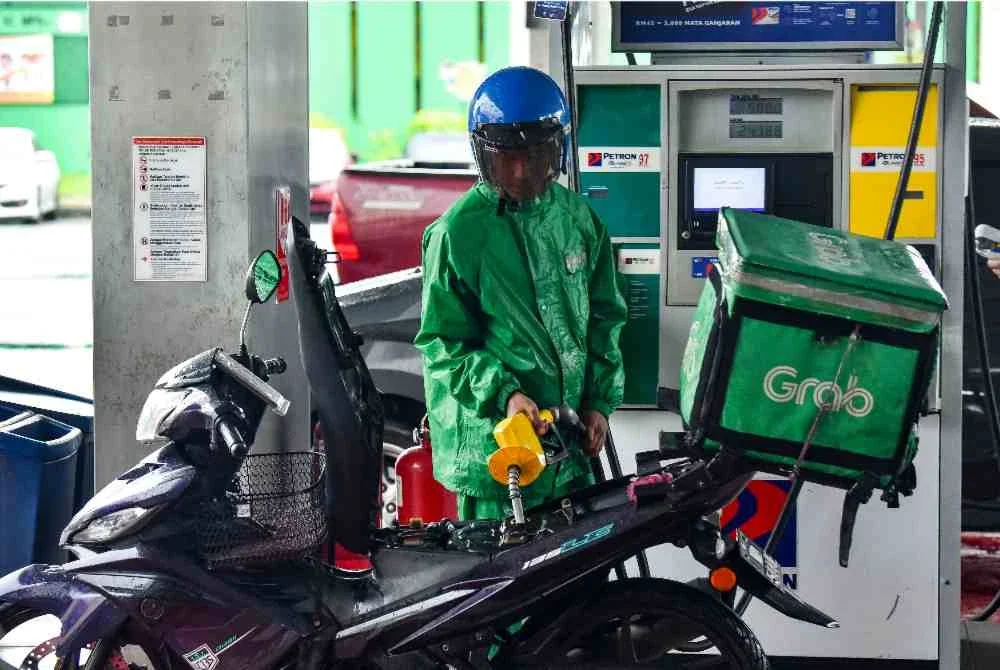
In the first phase, the government’s priority was clear: ensure energy supply remains stable and mitigate the impact on the people. Through the BUDI95 and BUDI MADANI fuel subsidy mechanisms, the government shielded households and businesses from the initial shock of the sharp rise in global prices.
By maintaining subsidised RON95 at RM1.99 per litre when the market price exceeded RM4 per litre, monthly fuel subsidy expenditure was reported to have reached RM7.5 billion in April, forcing the government to bear a significant fiscal burden.
A crisis in stages
Many may think this crisis is only about oil prices. This is a dangerous misunderstanding.
The reality is that this is a supply crisis whose impact is being felt in stages. Initially, it is felt at the fuel pump. Over time, its effects spread to transportation costs, food prices, household spending and finally, national economic confidence.
The first stage is the rise in oil and fuel prices – the most immediate impact felt by the people.
The second stage is logistics and supply chain pressure, as transport and delivery costs increase.
The third stage is rising food prices, essential goods and income pressure, as higher costs affect petrochemical raw materials, fertilisers, manufacturing and construction sectors.
The fourth stage is fiscal pressure and national confidence. If prices remain high, projected subsidies approaching RM48 billion per year will narrow the space for healthcare, education and development spending.
A prolonged crisis will also test the patience and trust of the people. Therefore, the focus cannot stop solely at prices at the fuel pump.
Public spending alone is not enough
This is the crux of the matter. A prolonged crisis cannot be solved through government spending alone.
The country’s fiscal space has its limits. Fiscal strength, in turn, is the foundation of national resilience. The longer the crisis drags on, the greater the pressure that must be borne.
The responsibility to endure cannot be borne by the Ministry of Finance alone; it requires the involvement of all parties.
What is needed now is the ability to move quickly, adapt policies according to the situation and share understanding across all levels of society.
For the government, this means more targeted, agile and fiscally responsible intervention.
For businesses, this means improving energy efficiency, diversifying supply chains and building more resilient operations.
For households, it demands prudent spending and more robust financial management.
For politicians, it demands a reduction in political manoeuvring and a clearer focus on the national interest.
Targeted protection, not blanket subsidies
As the country enters the next phase, the form of support must also change.
Instead of blanket protection, we need to shift towards more targeted support so that the most vulnerable continue to be assisted as subsidies are gradually reduced.
Instruments such as the Rahmah Cash Aid (STR), Rahmah Basic Aid (SARA) and food interventions through Rahmah MADANI Sales will be among the most important measures.
Micro, Small and Medium Enterprises (MSMEs) are expected to be among the most affected groups. They face rising logistics and energy costs, cash flow pressure and higher prices for imported inputs.
The country’s priorities for the next phase
The nation’s task in the coming months is very clear. We need to protect vulnerable households, support MSMEs and affected strategic sectors, defend the country’s fiscal credibility and strengthen energy and food security.
At the same time, national confidence must continue to be preserved, because lost confidence is extremely difficult to restore.
This is not an easy task, especially when extreme politics distracts from the real threat – global energy uncertainty.
Malaysia has survived challenging periods before, such as the Asian Financial Crisis and the Covid-19 pandemic.
What remains within our control
National resilience cannot be built by the government alone. It requires the trust and cooperation of all levels of society.
We may not be able to control the global shocks hitting the world. However, we can still control our discipline, our consensus and our level of national preparedness.
These are the factors that will determine whether a country is sunk by a crisis or emerges from it stronger.
The waves of this crisis may continue to come. However, if we face them together with calmness and clear resolve, they will not sink Malaysia.
*Tengku Datuk Seri Zafrul Tengku Abdul Aziz is the Chairman of the Malaysian Investment Development Authority (MIDA)
Sinar Harian