

Two Years After Fukushima Treated Water Release, Monitoring Shows No Abnormalities in Ocean
Tokyo, Aug 24: Two years after Japan began releasing treated radioactive water from the Fukushima Daiichi nuclear power plant into the Pacific Ocean, monitoring data shows no signs of environmental abnormalities, according to Japanese authorities.
The release, which began in August 2023, followed years of technical reviews and international scrutiny. The water had been treated through the Advanced Liquid Processing System (ALPS) to remove most radioactive materials, leaving only tritium at levels deemed safe by global standards.
Japan’s Environment Ministry reported that regular sampling of seawater, fish, and other marine life around the Fukushima coast has detected no harmful levels of radioactivity since the discharge began. “Our monitoring confirms that radiation levels remain well within international safety limits. No abnormalities have been found in the ocean environment,” the ministry stated.
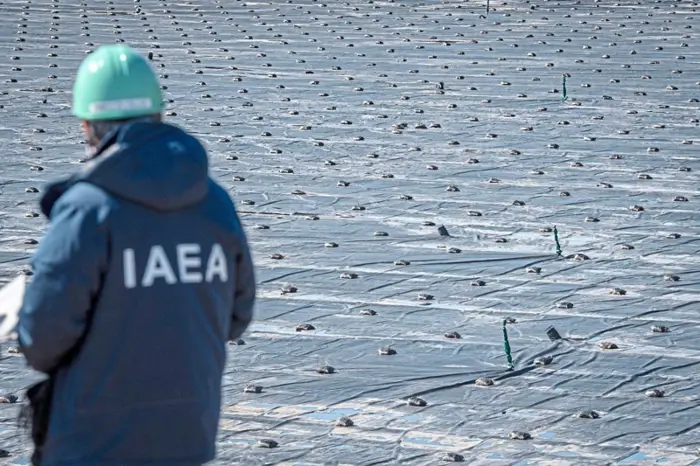
The International Atomic Energy Agency (IAEA), which has been independently reviewing the process, also reiterated that Japan’s water release program complies with global safety practices.
Despite early concerns and protests from neighboring countries and local fishing communities, the government has pledged transparency, continuing open data sharing with international partners to maintain trust.
Experts note that while tritium cannot be fully removed, its impact on marine life and human health is considered minimal at the levels being released. Japanese officials emphasized that monitoring will remain ongoing for years to ensure long-term safety.
The Fukushima plant operator, TEPCO, is expected to continue controlled releases over several decades as part of the broader decommissioning process of the damaged nuclear facility.