

Saudi Arabia Secretly Helped Intercept Iranian Drones Aimed at Israel During 12-Day Conflict
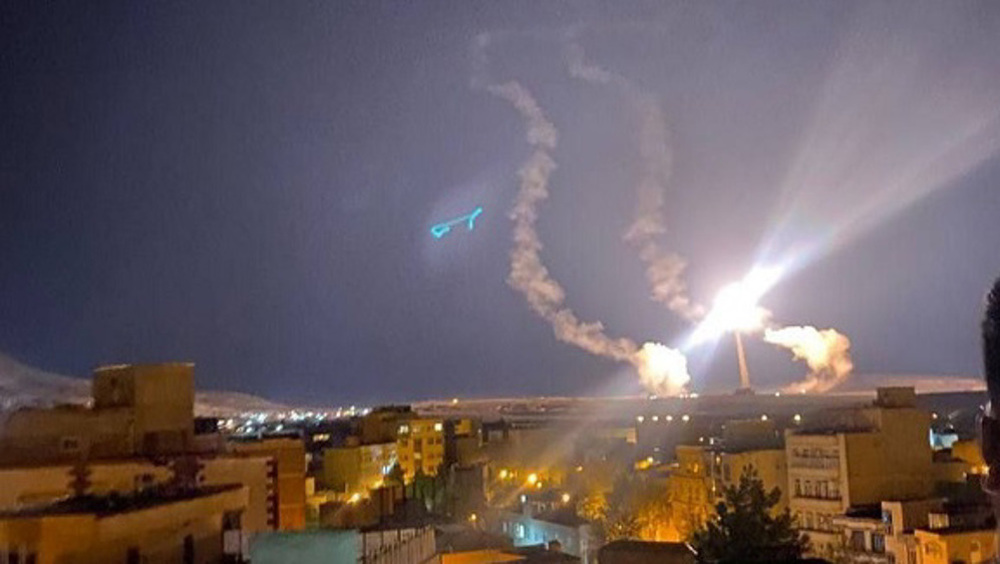
RIYADH|| July 4, 2025: Despite publicly condemning Israel’s military assault on Iran, Saudi Arabia reportedly played a covert role in intercepting Iranian drones targeting Israeli territory during the recent 12-day U.S.-backed conflict, according to emerging media reports.
Sources indicate that the Royal Saudi Air Force deployed helicopters to shoot down Iranian unmanned aerial vehicles (UAVs) as they passed through Iraqi and Jordanian airspace, preventing them from reaching Israel. While Riyadh has not officially acknowledged involvement, the operation is believed to have been conducted under the pretext of protecting Saudi sovereign airspace.
Some drones were allegedly intercepted before they could pose a direct threat to Israeli targets, raising questions about the extent of unofficial military coordination between Saudi Arabia and U.S.-led allied forces—despite Saudi Arabia’s vocal criticism of Israel’s actions.
Behind-the-Scenes Cooperation With the U.S. and Allies
The drone interceptions reportedly formed part of a broader U.S.-led defensive coalition, which included Jordan, France, the United Kingdom, and Israel, and was coordinated through the U.S. Central Command (CENTCOM). CENTCOM Commander Gen. Mike Kurilla is said to have overseen the real-time coordination between U.S., Israeli, and European forces, made possible by years of joint military exercises and intelligence sharing.
While Jordan publicly confirmed its role in intercepting Iranian drones and France cited “protection of its interests” in Jordan, Saudi Arabia maintained silence, continuing to condemn Israel’s assault on Iran in public forums. Riyadh had previously promised not to use its airspace for offensive actions against Iranian territory.
Nevertheless, analysts believe this incident reflects a growing pattern of behind-the-scenes security cooperation between Saudi Arabia and Western-aligned forces—particularly the U.S. and Israel—despite lacking formal diplomatic relations.
Regional Fallout and Reactions
The reports come after Israel launched an unprovoked military campaign against Iran on June 13, which resulted in the assassination of several high-ranking Iranian military officials, nuclear scientists, and civilians. The United States subsequently escalated the situation by bombing three Iranian nuclear sites in what was widely condemned as a violation of international law, the UN Charter, and the Nuclear Non-Proliferation Treaty (NPT).
Iran responded with a series of retaliatory strikes, targeting Israeli strategic sites and the U.S. al-Udeid air base in Qatar. By June 24, Iranian forces declared a successful end to their operations, claiming they had halted the illegal aggression.
Is it a “Betrayal” in the Eyes of the Muslim World?
Geopolitical analysts warn that even indirect cooperation with Israel or U.S.-led forces during hostilities against Iran could be viewed by much of the Muslim world as a betrayal—particularly given the unresolved Palestinian cause and ongoing regional tensions.
“This kind of covert alignment—if confirmed—could be considered a stab in the back to Palestinians and Muslims worldwide,” one Middle East analyst noted, pointing to growing concerns over a widening Arab-Israeli-U.S. axis.
The full scope and implications of Saudi Arabia’s involvement in the operation remain unclear, but the incident may further complicate Riyadh’s delicate balancing act between its strategic partnerships with Western powers and its standing in the Muslim world.