

Muharram: The Sacred Islamic Month of Reflection, Sacrifice, and Renewal
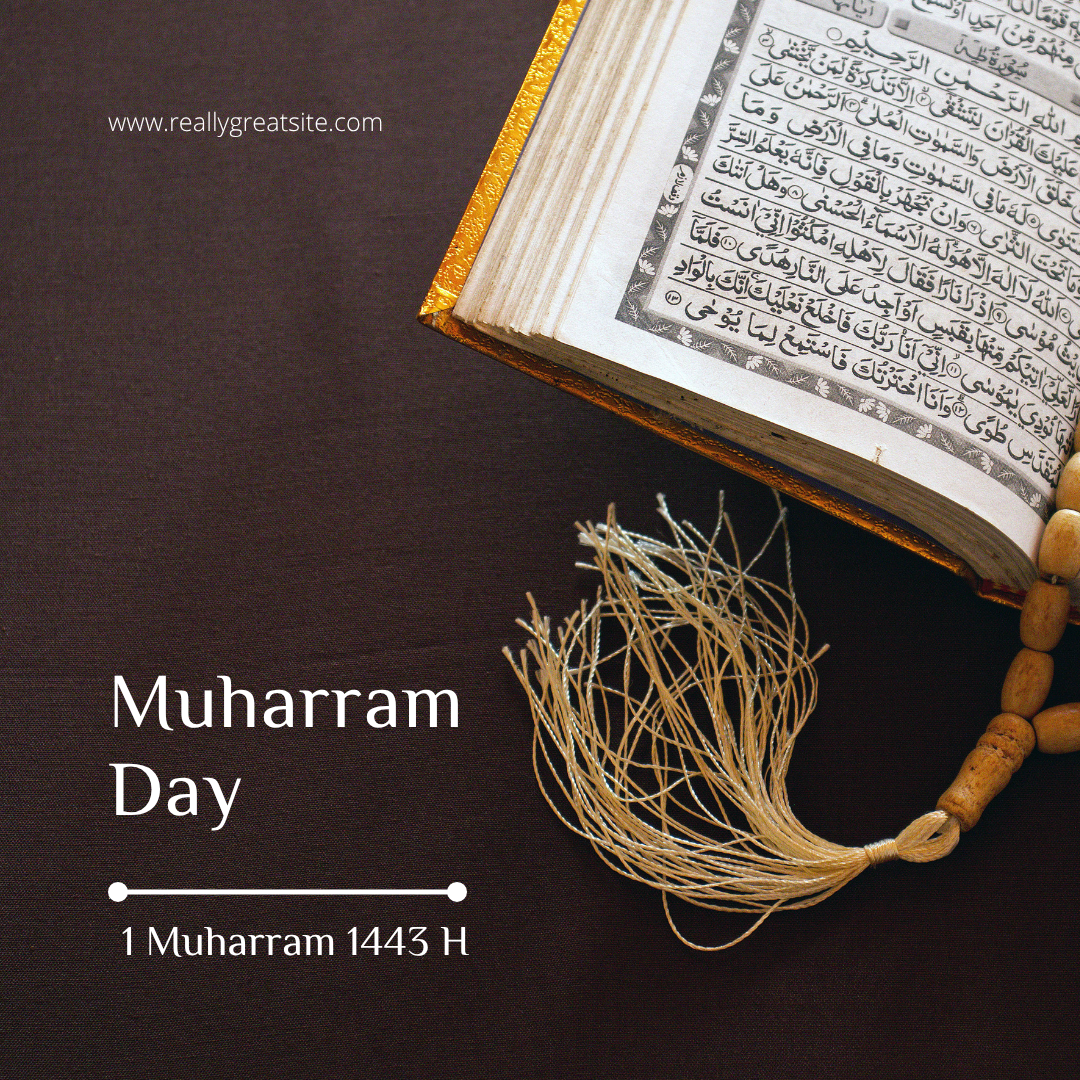
As the crescent moon ushers in the month of Muharram, Muslims across the globe mark the beginning of a new Islamic year with solemn reflection, devotion, and remembrance. Muharram, the first month of the Islamic lunar calendar, is not merely a chronological milestone—it is one of the holiest months in Islam, steeped in spiritual significance and historical weight.
Recognized as one of the four sacred months mentioned in the Qur’an (Surah At-Tawbah, 9:36), Muharram is distinguished by its sanctity. Warfare and violence are traditionally forbidden during this time, emphasizing peace, piety, and personal reflection. The very name “Muharram” translates to “forbidden,” underlining its revered status in Islamic tradition.
A Month of Spiritual Opportunity
The Prophet Muhammad (peace be upon him) described Muharram as “the month of Allah,” a phrase not attributed to any other month, highlighting its spiritual weight. He encouraged fasting during this period, stating, “The best of fasting after Ramadan is fasting Allah’s month of Muharram” (Sahih Muslim). Fasting, particularly on the 10th of Muharram—known as the Day of Ashura—is regarded as a highly meritorious act, believed to expiate sins from the previous year.
Ashura is rooted in divine history. It commemorates the day when Allah saved Prophet Musa (Moses) and the Children of Israel from Pharaoh’s tyranny. In gratitude, Musa fasted on this day, and Prophet Muhammad later recommended Muslims to do the same. To distinguish Islamic practice, Muslims are encouraged to fast on the 9th and 10th, or the 10th and 11th of Muharram.
Karbala: A Legacy of Resistance and Sacrifice
For many, particularly the Shia Muslim community, Muharram is a time of mourning and deep reflection. It marks the tragic martyrdom of Imam Hussain ibn Ali, the beloved grandson of the Prophet Muhammad, who was slain on the 10th of Muharram in 680 CE during the Battle of Karbala in present-day Iraq.
Imam Hussain’s refusal to pledge allegiance to the oppressive Umayyad caliph Yazid, and his subsequent death alongside his family and companions, has come to symbolize the eternal struggle for justice, truth, and moral courage. Shia Muslims commemorate this sacrifice through mourning processions, recitations of elegies, and gatherings known as Majlis, where the story of Karbala is retold and remembered with devotion and grief.
In contrast, Sunni Muslims generally focus on the prophetic traditions of fasting, worship, and remembrance during this period, without engaging in mourning rituals. Despite these differences, the month as a whole represents a powerful call to spiritual renewal and ethical reflection for all Muslims.
A Time to Begin Anew
While Muharram is marked by historical sorrow, it also presents a profound opportunity for renewal. As the Islamic New Year begins, many take stock of their spiritual state, make resolutions to improve their character, and renew their connection with God through prayer, charity, and community engagement.
In a world often defined by distractions and material pursuits, Muharram calls the faithful back to timeless values—truth over tyranny, sacrifice over silence, and faith over fear.
As the moon of Muharram glows in the night sky, it invites Muslims to walk in the footsteps of the prophets and martyrs—not only by remembering their sacrifices, but by embodying their virtues in everyday life.