

MOSTI carefully builds its LLM to help the local AI environment
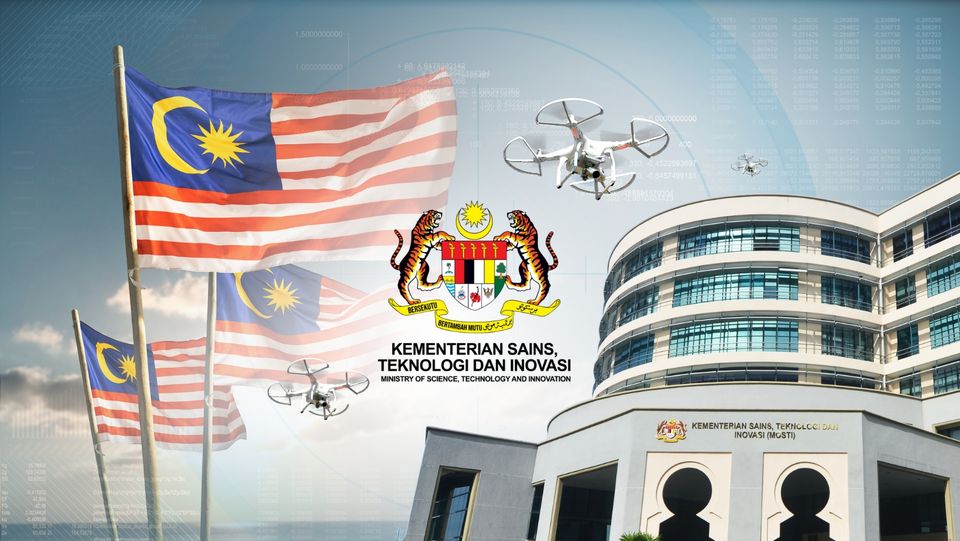
The Ministry of Science, Technology, and Innovation (MOSTI) is looking into how to work with local universities and businesses to create a Large Language Model (LLM) in the Malaysian language.
Speaking about the project, Datuk Mohammad Yusof Apdal, the Deputy Minister of Science, Technology, and Innovation, said that Mesolitica, a Malaysian company that made an LLM in Malaysian called MaLLaM (Malaysia Large Language Model), is one of the key partners.
MaLLaM is entirely based on databases and local datasets, enabling it to gain deeper insights into the local language and society. MIMOS, the MOSTI agency, and Mesolitica are all working together to make this model better in terms of what it can do and how well it works.
“In the future, the Dewan Bahasa dan Pustaka (DBP) will also be a part of this collaboration to improve the Malaysian language,” he said on Monday during a question-and-answer session at the Dewan Rakyat.
In response to Lee Chean Chung’s (PH-Petaling Jaya) additional question, he said that the ministry would work with DBP to make sure that LLM is special and beneficial for the growth of the country’s national language.
Whether the ministry would make its own LLM and how local values and culture were being protected, Chean Chung asked. Mohammad Yusof replied that MOSTI has had several talks with other ministries and government agencies, such as the Ministry of Health (KKM), the Digital Ministry, and the Department Prime Minister, about making a local LLM.
We will build the LLM in accordance with the Artificial Intelligence Governance and Ethics Guidelines (AIGE) released on September 20.
“The goal of these AIGE rules is to help people in the country use AI (artificial intelligence) technology in a smart way. “These rules can help make sure that LLM grows without ignoring local culture and values,” he said.
He explained that the growth of LLM will benefit the local AI ecosystem and reduce reliance on AI technology from other countries. It will also help make decisions, automate tasks, and make research easier in many areas by adapting global AI knowledge to local languages and needs.
However, according to Mohammad Yusof, creating LLM or AI models is very expensive and requires specialized tools that are only available in cloud-based high-performance computing (HPC) centers.
“Cloud service providers like Microsoft Azure, OpenAI, and Amazon Web Services (AWS) can help you save money on early hardware investments.”
“However, there are concerns related to data security because the data will be stored abroad if the cloud service is used, which creates the risk of leaking confidential data,” said he.
In this case, he said, MOSTI is looking into using low-cost computer facilities that can safely handle and improve private data through MIMOS.
Mohammad Yusof says that working with Phison and using aiDAPTIV+ technology has really helped cut costs and make data safer.
“AiDAPTIV enables users to train and optimize AI models using confidential data on their own premises, thereby reducing the risk of data leakage,” he stated.
In response to another question from Mohd Nazri Abu Hassan (PN-Merbok) about whether ASEAN countries collaborate on the AI framework, he stated that ASEAN released an AI governance and ethics guideline on February 2 that businesses in the region could use.
“This guide aims to promote alignment within ASEAN and improve the interoperability of the AI framework across member countries,” said he.