

Iran’s Strike on Israeli Oil Refinery Caused Up to $3 Billion in Losses: Report
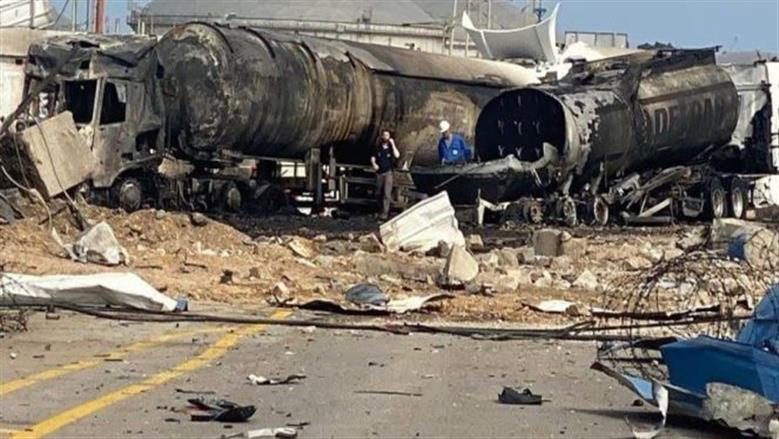
HAIFA|| July 7 (Voice of Malaysia) – Iran’s missile strike on Israel’s largest oil refinery last month may have inflicted up to $3 billion in damages, according to initial estimates by insurance firms and economic analysts, as reported by Iran’s Fars News Agency on Sunday.
The June 17 attack targeted the Haifa refinery, located in the Israeli-occupied northern city, and reportedly caused between $1.5 billion and $2 billion in physical damage to critical infrastructure. Prior to the attack, the facility processed approximately 197,000 barrels of oil per day.
The refinery’s extended shutdown is expected to result in an additional $450 million in lost monthly revenue through October, when it is projected to resume partial operations.
The financial impact of the strike is further compounded by the fact that Israel’s second major refinery, located in the port city of Ashdod, is currently under repair. This has forced the regime to ramp up imports of refined oil products to meet domestic demand—placing added strain on its wartime economy.
According to the report, the closure of the Haifa refinery has led to fuel shortages across Israeli-controlled areas, pushing domestic fuel prices higher and driving up transportation and industrial production costs. These developments have triggered increased power outages and mounting public frustration within Israeli cities and towns.
The Iranian strike was reportedly in retaliation for a series of Israeli attacks on economic infrastructure inside Iran, including a gas processing plant in the south and two fuel storage facilities in Tehran.
While Israeli authorities have attempted to downplay or conceal the full extent of the damage, multiple reports suggest that both Tel Aviv and Haifa suffered significant destruction during the 12-day conflict.
Iran ended its retaliatory operations on June 24, following reports that the U.S. had brokered a ceasefire agreement to bring the escalation to an end.
The refinery attack marks one of the most economically damaging blows suffered by Israel during the brief but intense military confrontation, underscoring the growing cost of regional escalation and retaliatory warfare.