

Data Centre Boom Drives RM93 Billion in Solar Investments
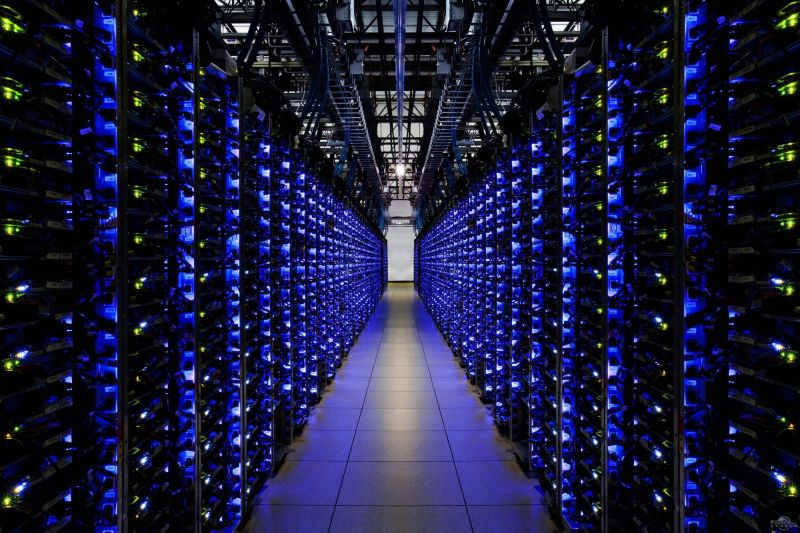
PETALING JAYA: Electricity consumption by data centres in Peninsular Malaysia is expected to surge by nearly 600 per cent to 73,274 gigawatt-hours (GWh) by 2035, compared with 10,544 GWh in 2026, requiring investments of up to RM93 billion to develop new solar capacity.
CIMB Securities said in a research note that an estimated 24.3 gigawatts (GW) of new solar capacity would need to be developed between 2026 and 2035 to meet renewable energy targets and support rising electricity demand.
“Of this total, approximately 20.2 GW of solar capacity is expected to be paired with battery energy storage systems (BESS), while the remaining capacity will consist of solar installations without battery storage,” it said.
The research firm estimated that the development cost for each megawatt of solar capacity equipped with battery storage would be around RM4 million, comprising RM3 million for solar facilities and RM1 million for battery systems.
“The investment requirement is driven by the rapid growth of the data centre industry, which is becoming increasingly important in Malaysia’s ambition to emerge as a regional data centre hub in Southeast Asia.
“According to projections by the Electricity Supply and Tariff Planning and Implementation Committee (JPPPET), data centres’ share of total electricity consumption in Peninsular Malaysia is expected to increase to 31 per cent by 2035, compared with six per cent in the first half of 2026,” it said.
By mid-2026, Tenaga Nasional Bhd (TNB) had reportedly signed electricity supply agreements with 61 data centre projects, representing a combined maximum electricity demand of 8.35 GW.
In addition, approximately 30 to 40 data centre projects, with an estimated electricity demand of 5 GW, are currently in the approval pipeline, indicating the potential for further growth in energy demand in the coming years.
CIMB Securities said the increase in demand would require careful electricity supply planning, including additional generation capacity and grid modernisation, to ensure system stability and support greater renewable energy integration.
“Peak electricity demand in Peninsular Malaysia is projected to rise from 21.3 GW in 2026 to 33.5 GW by 2035, driven primarily by the rapid expansion of data centres.
“To meet the country’s energy requirements, the share of renewable energy in Peninsular Malaysia’s electricity generation mix is targeted to increase to 22 per cent by 2035, compared with 11 per cent in 2025,” it said.
Meanwhile, natural gas consumption is expected to continue increasing as part of the country’s energy mix, with its share projected to rise from 37 per cent in 2025 to 59 per cent by 2035.
In contrast, coal’s share of the electricity generation mix is expected to decline from 52 per cent to 10 per cent over the same period, in line with the transition towards more sustainable energy sources.
Apart from solar development, CIMB Securities estimated that investments of up to RM83 billion would be required to develop as much as 15 GW of new gas-fired electricity generation capacity over the next decade.
“However, the investment requirement could potentially be reduced to RM42 billion for approximately 7.4 GW of capacity if the power purchase agreements for four coal-fired power plants are extended,” it added.
UTUSAN MALAYSIA