

Climate Change May Push 41 Million More into Extreme Poverty by 2050: World Bank
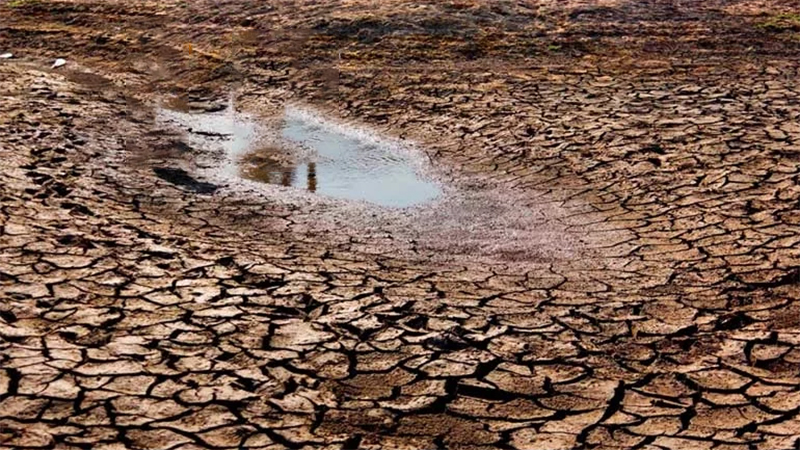
WASHINGTON, July 20 (VOM-Voice of Malaysia):— Global progress in reducing poverty is at grave risk of being reversed due to the escalating impacts of climate change, according to a stark warning from the World Bank in its latest report, “The Future of Poverty.”
The report projects that an additional 41 million people could fall into extreme poverty by 2050 if urgent climate action is not taken. The total number of people living in extreme poverty worldwide could nearly double, driven by the increasing frequency and intensity of climate-related disasters.
The World Bank identifies South Asia, Sub-Saharan Africa, and Latin America as the most climate-vulnerable regions, where economic livelihoods are most susceptible to climate shocks. In South Asia alone, the report forecasts that up to 48.8 million people could be pushed into extreme poverty by 2030, with global poverty levels potentially rising to 148.8 million.
The findings highlight how natural disasters, rising temperatures, and erratic weather patterns are directly reducing household incomes—particularly in developing nations with fragile economies and inadequate social safety nets.
The World Bank emphasizes that developing countries—which have contributed the least to global carbon emissions—are bearing the disproportionate burden of climate impacts. These nations face increased risks of economic stagnation, infrastructure collapse, and public health crises triggered by extreme weather.
“Climate change is not just an environmental issue—it is an existential threat to global development,” the report warns.
The report calls on high-income nations, which are historically the largest contributors to greenhouse gas emissions, to play a more proactive role in addressing the crisis. This includes delivering financial assistance, technological innovation, and capacity-building support to lower-income countries.
Without intervention, growing income inequality will accelerate poverty rates, the report cautions. To counter this, the World Bank urges governments to prioritize inclusive growth, universal access to quality education and jobs, and expanded social protection programs tailored to the most vulnerable communities.
One of the most immediate concerns identified is the rising cost of food, particularly in developing countries where the majority of household income is spent on basic consumption. The report suggests that climate-related disruptions to agriculture and food supply chains could lead to a sharp increase in food insecurity and malnutrition.
Looking ahead, the World Bank estimates that if no effective climate mitigation measures are implemented, the global economy could shrink by up to 23% by 2100, with the greatest losses occurring in already vulnerable regions located in warmer climates.
“The economic toll of climate inaction will be most severe for poor countries located in the world’s hottest zones,” the report says.
The report concludes with a powerful warning: without coordinated, immediate, and sustained global action, climate change will become the dominant force driving global poverty and inequality.
“We stand at a crossroads. The decisions we make today will determine whether climate change pushes millions into destitution—or whether the world comes together to safeguard a future of resilience and equity.”
The report urges policymakers, international institutions, and civil society to treat climate resilience not as a secondary goal but as a core strategy for sustainable development in the decades ahead.
📲 Read the full story and stay updated with Voice of Malaysia
🔗www.vom24.com/
👇 Follow us for more updates!
✅ Facebook: facebook.com/vomvoiceofmalaysia
✅Twitter: x.com/vomalaysia
✅ Instagram: instagram.com/voiceofmalaysia
✅ YouTube: youtube.com/@vomtv24