

Interpol issues a warning to find criminals’ hidden assets in other countries; Singapore is a part of the pilot operation
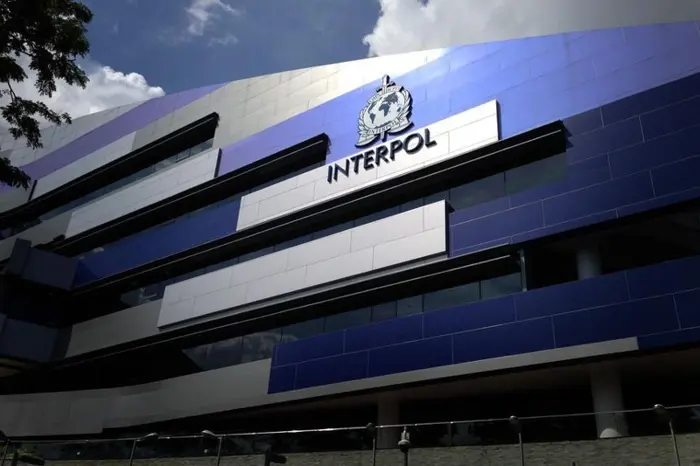
Interpol, a global police organization, has put out a new notice to help law enforcement find things that criminals and criminal groups have hidden abroad. As of January 10, Interpol said that the Silver Notice is being tested in 52 countries and regions and will remain in place at least until November 2025.
The Italian government has asked for the first Silver Notice in order to find out about the assets worth more than 500 million euros that belong to a top gang member.
Investigators from the Guardia di Finanza in the Italian city of Palermo asked for it. It has to do with their search for information about assets, mostly in Asia and South America, that are connected to money laundering operations around the world.
Officials in charge of law enforcement can also ask for help through Silver Diffusions, a casual request for help that they send straight to certain countries. Interpol said that the Silver Notice and Diffusions allow law enforcement to ask about assets that are connected to fraud, corruption, drug trafficking, environmental crime, and other major crimes.
Interpol said, “It will make it easier to find, identify, and get information about assets that have been laundered, such as homes, cars, bank accounts, and businesses.” It also said that the police could use the information they gathered later on as a base for two-way communication, as long as it didn’t break any national laws. For example, they could use the information to ask for the seizure, confiscation, or return of assets.
Interpol has a number of color-coded notices that allow countries around the world to share reports and information requests. Its “Red Notice” tells police all over the world to find and temporarily arrest a person until they can be extradited, surrendered, or face some other legal action.
A written answer to Parliament on January 7 from Home Affairs and Law Minister K. Shanmugam said that there are about 80 wanted people with ties to Singapore on the Interpol Red Notice list, with about 40 of them being Singaporeans.
One of Interpol’s other notices is the Yellow Notice, which helps find lost people, usually children, or identify people who can’t do it themselves. There is also a Blue Notice, which lets police get more details about a person’s name, where they are, or what they are doing that is related to a criminal investigation.
Interpol’s secretary general, Valdecy Urquiza, said in the new Silver Notice that the organization is trying to break up criminal networks and lessen the damage they do to communities around the world by going after their money.
“One of the best ways to fight transnational organized crime is to cut criminals and their networks off from illegal profits,” he said. “Recovering 98% of criminal assets remains a significant challenge.”
Interpol said that during the pilot phase, only agencies from the 52 participating member countries and regions will be able to ask for a silver notice or diffusion to be sent out. Like any other notice or spread, Interpol said the request will come from each participating country’s central office.
Following the definitive identification of assets, these national central bureaus will collaborate with other nations to strategize the next steps. Interpol said that all 196 of its member countries will get Silver Notices, no matter if they are in the test or not.
“Every country is urged to act on any silver notices or diffusions they receive to track down criminal assets,” it said.
Nick Court, who is the deputy director of strategy and capabilities development at Interpol’s financial crime and anti-corruption center, told The Straits Times that it is difficult for police to find the money and other things that criminals have stolen.
Thanks to technology, moving money and goods to another country is now simple.
The Court stated, “If a criminal has dispersed their assets to a different country and you don’t know which one,” “We’re trying to fill that gap by helping our member countries find those assets.”
He also said that the Silver Notice could work with other networks, like financial intelligence units and asset recovery joint networks, to do more.
When countries were asked why they should act on a silver notice, the Court linked it to why they should act on a red notice that says there is a fugitive in their country.
“Some of the reasons will be that they don’t want that person in the country… and that they know how important it is to work together because if they help another country today, that country will possibly help them tomorrow too,” he said.