

Iran Defends Peace Proposal, Accuses US of Following ‘Israeli-Driven Demands’
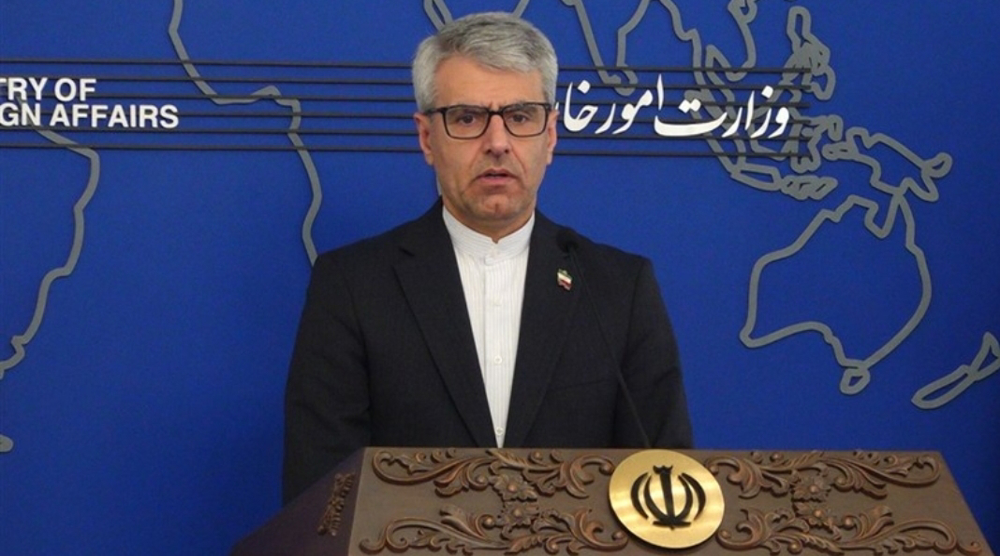
Iran has defended its latest proposal aimed at ending tensions in the region, insisting that its demands are “reasonable and generous” while accusing the United States of continuing to pursue what it described as “unreasonable demands” influenced by Israel.
Speaking during a weekly press briefing on Monday, Iranian Foreign Ministry spokesman Esmail Baghaei said Tehran’s proposal focused on securing regional peace, ensuring maritime safety and protecting Iran’s legitimate rights.
“We did not ask for concessions. The only thing we demanded is Iran’s legitimate rights,” Baghaei stated.
He questioned whether Iran’s calls for an end to regional conflict, safe passage through the Strait of Hormuz and the release of frozen Iranian assets could genuinely be considered unreasonable.
“Everything included in Iran’s proposal was responsible, reasonable and beneficial for both the region and the world,” he said.
Baghaei also criticised Washington for allegedly refusing to engage seriously with Iran’s proposals, claiming the American administration continues to approach negotiations through a framework shaped by Israeli interests.
His remarks came after Donald Trump strongly rejected Tehran’s formal response to the latest American proposal, calling it “completely unacceptable”.
Trump also revealed in an interview with Axios that he had discussed Iran’s response with Israeli Prime Minister Benjamin Netanyahu.
Iran previously confirmed that its official response to the US proposal had been submitted on Sunday, reiterating that any negotiations at this stage would focus solely on ending the ongoing regional conflict.
During the briefing, Baghaei further described Iran as a “responsible and anti-bullying power” in the region, accusing the United States of contributing to instability through its military presence in West Asia.
He also emphasised Tehran’s ongoing coordination with China, describing Beijing as a strategic partner fully aware of Iran’s position regarding recent regional developments.
According to Baghaei, China understands that recent tensions involving Iran are part of broader geopolitical efforts aimed at increasing unilateral pressure by the United States and its allies.
The Iranian spokesman additionally warned European countries against becoming involved in escalating regional tensions, urging them not to be drawn into what he described as “US-Israeli provocations”.
Separately, Baghaei criticised Bahrain over its decision to revoke the citizenship of several individuals accused of sympathising with Iran, calling the move a serious violation of human rights and describing citizenship revocation as an outdated and unacceptable form of punishment.