

Malaysia Outlines Ambitious AI-Driven Agenda Under 13th Malaysia Plan
KUALA LUMPUR: The Ministry of Digital has reaffirmed Malaysia’s commitment to building a resilient “AI Nation” under the 13th Malaysia Plan (RMK13), setting out clear strategies to strengthen governance, infrastructure, cybersecurity, talent development, and digital economy empowerment.
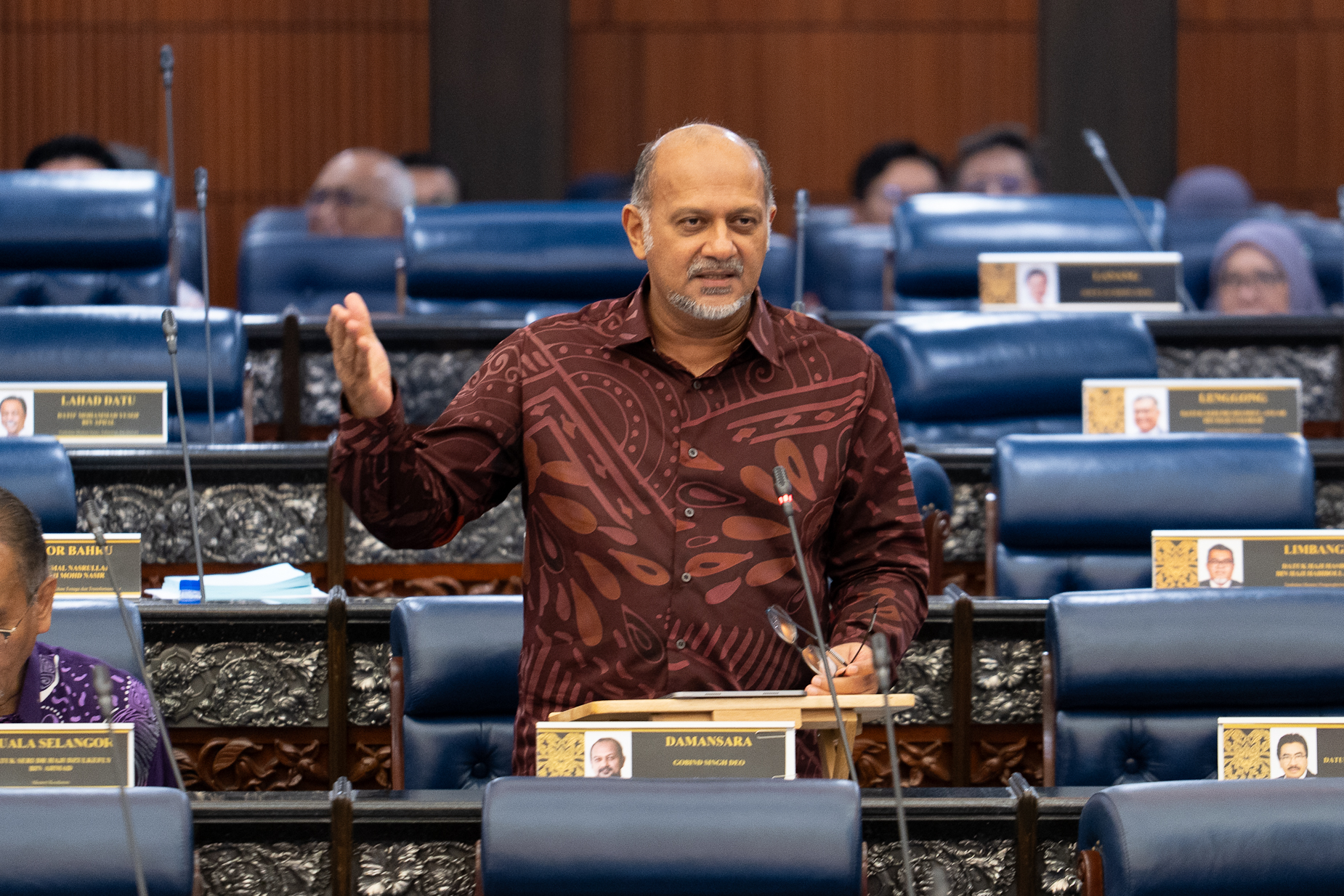
Speaking during the winding-up debate in Parliament, the Digital Minister said Malaysia’s AI aspirations by 2030 are anchored on three goals: becoming a regional AI hub, creating “Made by Malaysia” products and services, and ensuring inclusive and sustainable AI adoption.
The minister emphasized that strong digital governance is crucial to prevent the AI agenda from becoming “mere rhetoric.” National digital strategies are guided by the National Fourth Industrial Revolution Policy (D4IRN) and the Malaysia Digital Economy Blueprint (RTEDM 2021–2030), both of which are undergoing a mid-term review to align with future technologies. Oversight is led by the National Digital Economy and 4IR Council (MED4IRN), chaired by the Prime Minister, and extended to state-level councils for coordinated implementation.
Malaysia’s digital backbone has expanded through initiatives like JENDELA and Digital Nasional Berhad (DNB), with 5G coverage now reaching 82.4% of populated areas and serving 28.1 million active users. To maximize AI potential, the government is drafting a Public Sector Data Digitalization Policy and establishing a national data bank to ensure secure storage, while the Data Sharing Act, passed in 2024, provides a legal framework for safe data exchange.
Concerns over data leaks and sovereignty were addressed with plans to set up a National Data Commission to regulate compliance and security standards. Malaysia has also amended the Personal Data Protection Act (2024) and continues to strengthen cyber defense through NACSA and MKN. On ethical AI, the government will implement the AI Governance and Ethics Guidelines (AIGE), ensuring AI systems are responsible, inclusive, and compliant with Islamic principles.
To address the shortage of AI talent, the ministry highlighted programs such as Premier Digital Tech Institutions (PDTI), which have produced over 60,000 graduates with a 95% employability rate, and AI@Work, which introduces AI tools like generative AI into the civil service. Meanwhile, the Rakyat Digital program has trained 1.4 million Malaysians in AI and cyber literacy.
The government pledged to ensure that micro, small, and medium enterprises (MSMEs) are not left behind. By 2030, 80% of MSMEs are expected to reach “developing” digital maturity, while 20% achieve “advanced” levels. The eUsahawan program, with 220 hubs nationwide, has already trained nearly 630,000 entrepreneurs, generating cumulative sales of RM1.32 billion.
As part of AI Cities initiatives, RM15 million in grants have been allocated to local councils for projects such as digital twins, smart traffic management, and autonomous vehicles. Malaysia will also host the Smart City Expo Kuala Lumpur 2025, the first ASEAN edition of the global event, themed “AI Cities: Shaping Our Digital Future.”
The minister concluded by stressing that Malaysia’s AI transformation is a national agenda requiring collaboration across government, the private sector, academia, and the public.
“Every step outlined in RMK13, from governance, infrastructure, cybersecurity, and talent to SME empowerment, is vital to realizing Malaysia’s aspiration as an AI Nation,” he said.