

U.S. Appeals Court Rules Most Trump Tariffs Illegal
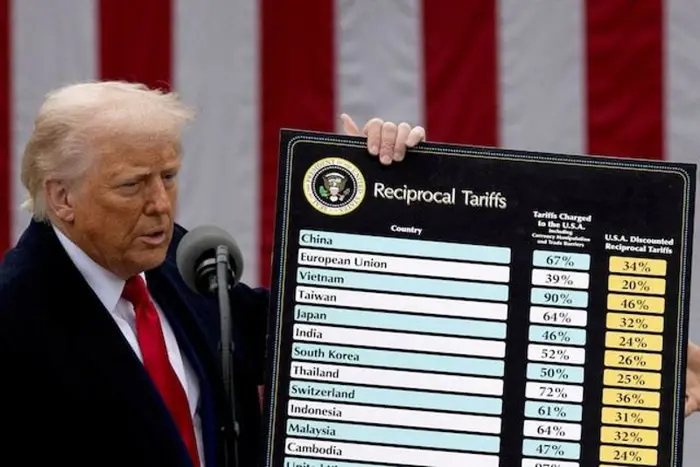
NEW YORK: A U.S. federal appeals court has ruled that most of former President Donald Trump’s tariffs are illegal, striking at the core of his economic and foreign policy strategy.
In a 7-4 decision, the U.S. Court of Appeals for the Federal Circuit in Washington, D.C., said Trump exceeded his authority when he used the International Emergency Economic Powers Act (IEEPA) to impose “reciprocal” tariffs earlier this year, along with separate tariffs on China, Canada, and Mexico.
The court, however, allowed the tariffs to remain in place until October 14, giving the Trump administration time to appeal to the Supreme Court.
Trump had justified the tariffs by declaring a national emergency over trade deficits, declining U.S. manufacturing, and cross-border drug trafficking. His Justice Department argued that IEEPA gave the president broad powers to regulate or block imports during a national emergency.
But the court disagreed, saying Congress never intended IEEPA to grant presidents “unlimited authority to impose tariffs or taxes.” Historically, the 1977 law has been used to freeze assets or sanction hostile nations, not to reshape trade policy.
Trump criticized the ruling, calling the court “highly partisan” and warning that removing tariffs would be a “total disaster” for the country. He expressed confidence the Supreme Court would side with him.
The decision does not affect tariffs imposed under other laws, such as Trump’s steel and aluminum tariffs.
Analysts say the administration had anticipated this outcome and is preparing alternative legal strategies to preserve the tariffs. Markets showed little immediate reaction, though experts warned of growing uncertainty for U.S. businesses.
The ruling adds to a broader legal clash over Trump’s economic agenda. The president is also fighting to remove Federal Reserve Governor Lisa Cook, raising concerns about the central bank’s independence. Experts say these disputes could push much of Trump’s economic policy into a historic showdown at the Supreme Court later this year.
The case originated from lawsuits by small U.S. businesses and 12 Democratic-led states, who argued that the Constitution reserves tariff authority for Congress. Several other challenges to Trump’s trade measures remain pending.