

The Malaysia Muslim Lawyers’ Association supports Terengganu’s public caning
The Malaysian Muslim Lawyers’ Association (PPMM) has refuted allegations and unfavourable opinions that the practice of syariah caning in Terengganu is against the Federal Constitution’s provisions and humanitarian ideals.
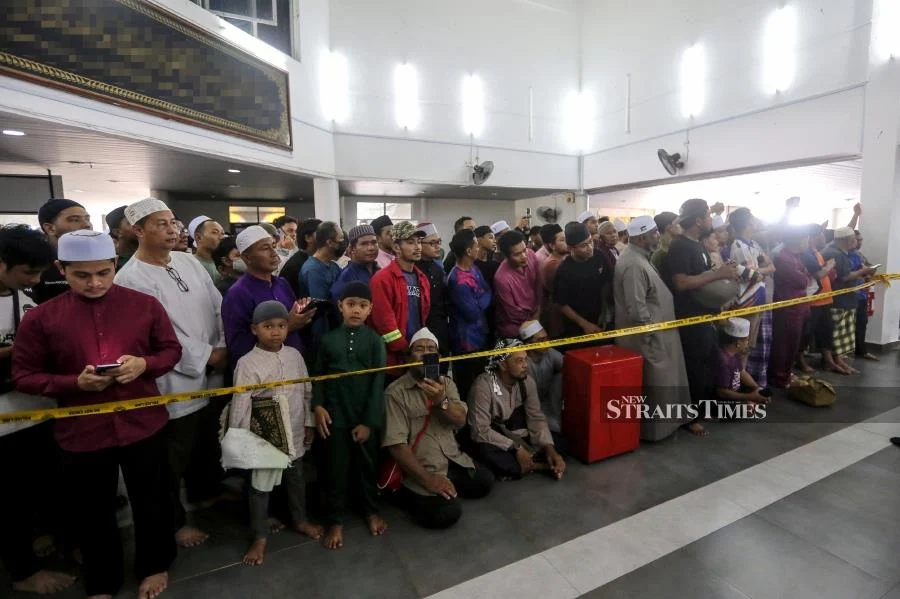
This decision, according to the group, comes after witnessing a repeat khalwat offender in Terengganu receive public caning earlier today.
It characterised such assertions as unfounded and at odds with current legal requirements, as well as the circumstances surrounding the imposition of the penalty.
PPMM stressed the significance of comprehending the background of Syariah Caning while expressing complete support for the practice and urging all parties to avoid misleading the public or politicising the matter.
“The syariah legal system should not be regarded through a limited or biased lens because it is an essential component of the nation’s legitimate legal framework. In order to increase public awareness, mainstream Syariah, and preserve Islamic law, PPMM also urges Syariah courts in other states to follow Terengganu’s example of caning.
PPMM rejected accusations that the punishment violates the Syariah Courts (Criminal Jurisdiction) Act 1965, deeming such accusations to be erroneous.
According to the association, the statute establishes the maximum penalties for syariah criminal violations, which are three years in prison, RM5,000 in fines, or six canings. It further stated that the punishment’s location must comply with the state enactments and standard operating procedures (SOP).
“The caning practice in Terengganu conforms with Section 125 of the Syariah Criminal Procedure Enactment (Terengganu) 2001, which describes a merciful manner of execution. This is due to the fact that the caning implement is lightweight, composed of small-sized rattan, the force used is moderate and non-injurious, and the places that can be caned are restricted, omitting delicate areas like the face, head, abdomen, and chest. Additionally, it complies with the SOP for Caning Syariah Offenders Outside of Prison, which was jointly adopted in 2023 by the Malaysian Syariah Judiciary Department, the Health Ministry, the Prisons Department, and the Minister in the Prime Minister’s Department (Religious Affairs).
“Furthermore, the decisions made by the Terengganu Syariah High Court Judge on November 20 and the Syariah Court of Appeal Panel on December 16 were made after taking into account all factors, such as the criminal’s repeated violations, to make sure the punishment is carried out fairly, wisely, and in line with Islamic principles and human rights protected by the Constitution,” the statement read.
The group also denied allegations that syariah caning is inhumane or in violation of human rights, stating that the 2001 law makes it abundantly evident that the penalty is administered with the highest decency and appropriateness.
“The goal of the public caning in Terengganu is to raise awareness among the general population about the significance of abiding by Islamic law. Additionally, it highlights the efforts to halt actions that violate the moral and ethical norms of the Islamic community. It further stated, “This punishment is administered with decorum, under the supervision of the authorities, and without involving any humiliation of the offender.”