

Strait of Hormuz Tensions Surge as Iranian Gunboats Fire on Tanker Amid Renewed Restrictions
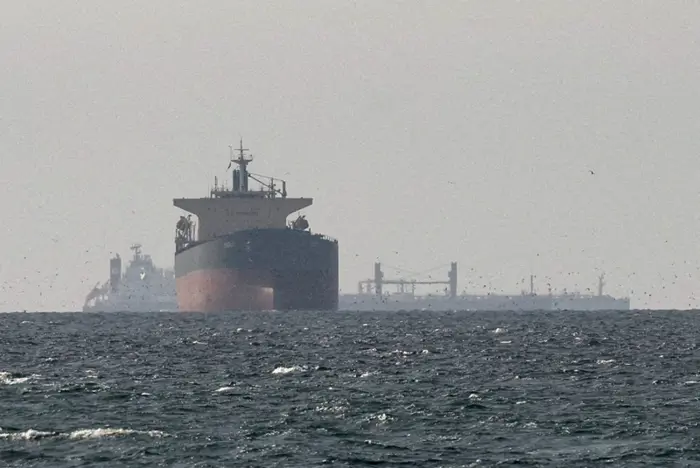
CAIRO, April 18: Tensions in the strategically vital Strait of Hormuz escalated sharply on Saturday after Iranian gunboats opened fire on a commercial tanker, signaling a renewed enforcement of restrictions on one of the world’s most critical النفط transit routes.
According to the United Kingdom Maritime Trade Operations, two vessels from Iran’s Revolutionary Guard targeted the tanker as it attempted to pass through the narrow waterway. The ship and its crew were reported safe, though the incident has heightened concerns over maritime security.
Iranian authorities confirmed that control over the strait had returned to what they described as “strict military management.” Officials warned that shipping restrictions would remain in place as long as the United States continues its blockade on Iranian ports and maritime trade.
The development marks a reversal from earlier signals of de-escalation. Just a day prior, Iranian Foreign Minister Abbas Araghchi had indicated that the strait would remain open following a temporary truce involving regional conflicts.
However, shifting positions from both sides have added to uncertainty. US President Donald Trump reaffirmed that American restrictions on Iranian shipping would remain in effect until broader agreements—including those concerning Iran’s nuclear program—are reached.
The situation in the Strait of Hormuz is particularly sensitive, as approximately one-fifth of the world’s oil supply typically passes through the corridor. Analysts warn that prolonged disruptions could deepen the ongoing global energy crisis and impact fuel prices worldwide.
Despite the escalation, diplomatic efforts continue behind the scenes. Pakistan has been actively mediating between Washington and Tehran, with officials expressing cautious optimism about a potential agreement ahead of an April 22 ceasefire deadline.
Meanwhile, a separate ceasefire between Israel and the Iran-backed Hezbollah in Lebanon has provided a glimmer of hope, though concerns remain over its durability.
As military activity and diplomatic negotiations unfold simultaneously, the situation in the Strait of Hormuz remains volatile, with global markets and governments closely monitoring every development.