

Saudi Crown Prince Holds High-Level Talks with GCC, French and Italian Leaders Amid Escalating Regional Tensions
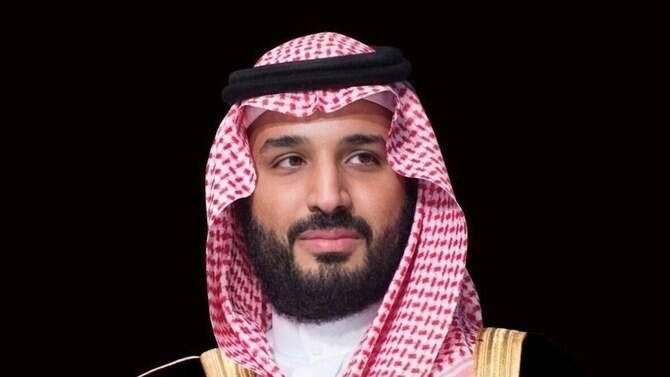
RIYADH, June 24— Saudi Crown Prince Mohammed bin Salman engaged in a flurry of diplomatic calls on Sunday with key Gulf and European leaders to address growing regional instability following recent U.S. and Israeli attacks on Iran, the Saudi Press Agency (SPA) reported.
The crown prince held separate phone conversations with the leaders of several Gulf Cooperation Council (GCC) nations, including
-
King Hamad bin Isa Al-Khalifa of Bahrain,
-
Sultan Haitham bin Tariq of Oman,
-
Emir Sheikh Tamim bin Hamad Al-Thani of Qatar,
-
Emir Sheikh Meshal Al-Ahmad Al-Jaber Al-Sabah of Kuwait, and
-
President Sheikh Mohammed bin Zayed Al-Nahyan of the United Arab Emirates.
The discussions centered on the escalating regional situation, particularly following the U.S. bombing of Iranian nuclear facilities and continued Israeli military strikes. The leaders expressed serious concern over the deteriorating security climate, stressing the urgent need to prevent a broader conflict.
“The leaders reaffirmed the unity and solidarity of GCC member states,” the SPA said, “and emphasized the importance of restraint, avoiding further escalation, and supporting diplomatic efforts to resolve tensions.”
The collective message from the Gulf leaders underlines the GCC’s commitment to regional stability, urging all parties to seek peaceful resolutions and uphold international law.
In addition to his Gulf counterparts, Crown Prince Mohammed also received calls from French President Emmanuel Macron and Italian Prime Minister Giorgia Meloni. The talks focused on the repercussions of the widening conflict following Sunday’s airstrikes by the U.S. on Iranian targets, including protected nuclear sites.
During the calls, the crown prince conveyed the kingdom’s firm stance on the need to exercise maximum restraint and avoid actions that could trigger a full-scale regional war.
“The Kingdom maintains its position that all disputes must be addressed through diplomatic dialogue and not through military confrontation,” SPA reported.
Sunday’s calls highlight Saudi Arabia’s increasing diplomatic outreach as the Kingdom seeks to play a mediating role in the face of intensifying hostilities between Israel, the United States, and Iran.
As tensions mount, the Kingdom has reiterated its longstanding policy of promoting de-escalation and regional cooperation, especially through multilateral platforms such as the GCC and international partnerships with Europe.
The coordinated responses between Gulf and European leaders signal a growing consensus on the need for immediate de-escalation to prevent further humanitarian and economic fallout across the region.