

PKK Fighters in Northern Iraq to Begin Disarmament in Landmark Step Toward Peace
IRBIL, Iraq|| July 4, 2025: In a historic step toward ending decades of conflict, the Kurdistan Workers’ Party (PKK) announced on Thursday that its fighters stationed in northern Iraq will begin handing over their weapons, marking the first concrete phase of a broader disarmament and peace process.
The decision follows the group’s formal declaration in May to disband and renounce armed conflict, ending a violent insurgency that has claimed tens of thousands of lives in Türkiye since the 1980s.
According to a statement by the PKK, a group of guerrilla fighters will “come down from the mountains and bid farewell to their arms” in a symbolic ceremony to demonstrate goodwill and commitment to peace and democratic politics. The disarmament event is expected to take place between July 10 and July 12 in Sulaymaniyah, part of Iraq’s semi-autonomous Kurdish region.
Ceremonial Disarmament Under Civil Supervision
PKK spokesperson Zagros Hiwa stated that the participating fighters—estimated to number between 20 and 30—will destroy their weapons under the supervision of civil society organizations and other interested observers. Local Kurdish authorities will reportedly receive the weapons, primarily light arms.
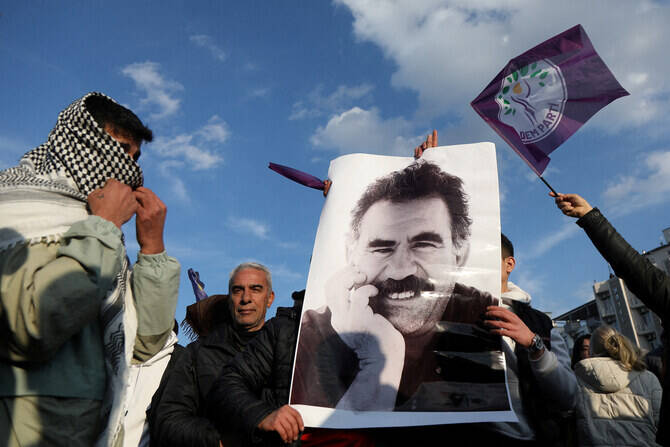
Hiwa emphasized that this act of disarmament represents only the beginning. For further progress, he said, Türkiye must end the isolation of PKK leader Abdullah Öcalan, who has been imprisoned on an island near Istanbul since 1999, and legal reforms must be enacted to allow former fighters to reintegrate into democratic political life.
Öcalan, now 76 years old, remains a central figure in the Kurdish movement. His February appeal to the PKK to disband and pursue political solutions was considered a major turning point in the peace effort.
Reactions and Regional Dynamics
An Iraqi Kurdish official, speaking on condition of anonymity, confirmed that the weapons will be handed over to the Kurdistan Regional Government (KRG). The region is politically divided between the Kurdistan Democratic Party (KDP)—which governs Irbil and Dohuk and maintains close ties with Türkiye—and the Patriotic Union of Kurdistan (PUK), which controls Sulaymaniyah and is known to be more sympathetic to the PKK.
In Türkiye, a spokesperson for President Recep Tayyip Erdoğan’s ruling Justice and Development Party (AKP), Omer Celik, stated earlier this week that the PKK could begin disarmament “within days” but did not offer specifics. President Erdoğan is also expected to meet with representatives of a pro-Kurdish political party in the coming week to discuss the evolving peace process.
As of Thursday, there was no official response from the Turkish government regarding the PKK’s announcement.
Turkish Presence in Northern Iraq
For years, the PKK has maintained bases in the rugged mountainous regions of northern Iraq, where Turkish military operations and airstrikes against the group have been frequent. Ankara has established military outposts in the area, displacing villagers and raising regional tensions.
In response to Türkiye’s military operations, the Iraqi central government in Baghdad formally banned the PKK last year; however, enforcing this ban remains complicated due to the semi-autonomous status of the KRG.
A Fragile Yet Historic Moment
While challenges remain, the upcoming disarmament ceremony signals a potential turning point in one of the region’s longest and most intractable conflicts. Analysts caution that sustainable peace will require reciprocal political reforms and trust-building from both sides—particularly in Türkiye, where Kurdish political representation remains a sensitive issue.
Nevertheless, this moment marks the most significant move toward peace in over a decade, and eyes across the region will be watching closely as the process unfolds.