

New Study Estimates Nearly 100,000 Palestinians Killed in Gaza Since October 2023
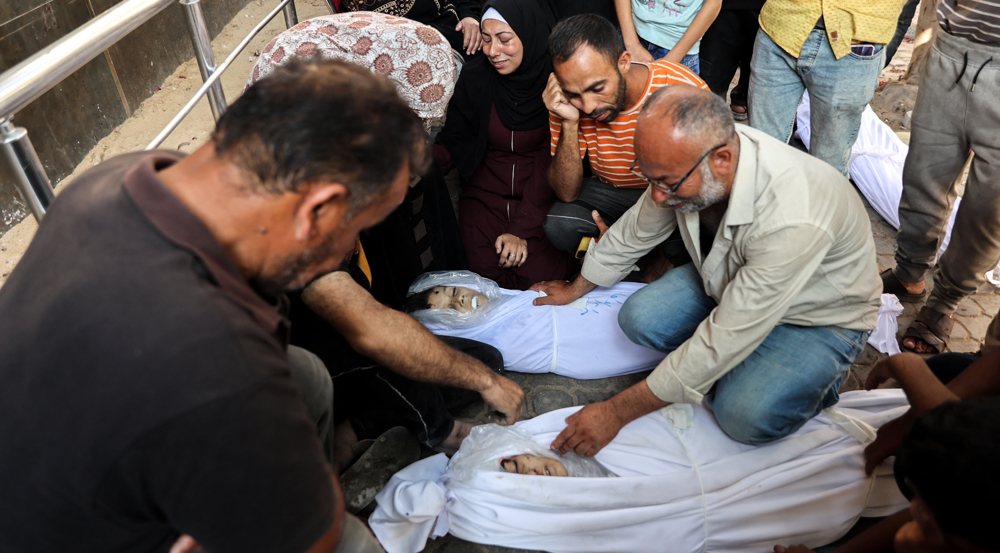
LONDON|| June 29: Nearly 100,000 Palestinians have died as a result of Israel’s ongoing war on Gaza since October 2023, according to a new independent study led by international researchers. The findings place the conflict among the deadliest of the 21st century.
The study, conducted by Professor Michael Spagat of the University of London and Palestinian political scientist Dr. Khalil Shikaki, surveyed approximately 2,000 households across Gaza, representing nearly 10,000 individuals. Based on their comprehensive data modeling, the researchers estimated that 75,200 people had died violent deaths by January 2025, with the overwhelming majority of casualties caused by Israeli air and ground attacks. An additional 8,540 deaths were attributed to non-violent causes such as disease, hunger, and lack of medical care.
Since January, the Gaza Health Ministry has reported more than 10,000 additional fatalities, pushing the cumulative death toll to nearly 100,000—a staggering number for a population of just over two million.
“This level of mortality positions the war in Gaza as one of the bloodiest conflicts of the 21st century,” said Professor Spagat. “The scale of destruction and death is unparalleled, particularly when measured as a proportion of the population—nearly 4 percent of Gaza’s residents have perished.”
The study highlights that 56 percent of the victims were women or children under 18—a demographic impact that significantly exceeds that seen in other modern conflicts. “This is an extraordinary figure,” Spagat said, noting that the rate of child and female deaths in Gaza is more than double that of most recent wars.
The figures also suggest that official counts, including those by the Gaza Health Ministry, may understate the true magnitude of the humanitarian catastrophe, due in part to incomplete reporting from areas cut off by bombing, siege conditions, and destroyed infrastructure.
The conflict began on October 7, 2023, following an unprecedented operation by the Palestinian resistance group Hamas against Israeli military sites and settlements. Israel responded with a sustained aerial and ground offensive on the Gaza Strip, vowing to eliminate Hamas and recover Israeli captives. However, despite the devastating toll on the Palestinian population and infrastructure, Tel Aviv has yet to achieve its declared goals.
The study adds to growing international concern over the scale of civilian casualties and the conduct of Israeli operations. Humanitarian agencies have repeatedly warned that hunger, infectious disease, and attacks on food distribution points are exacerbating the crisis in the densely populated coastal enclave.
With Gaza’s health system near collapse, aid severely restricted, and ceasefire efforts stalled, the international community continues to grapple with the implications of one of the deadliest and most lopsided wars of the modern era.