

Netanyahu never overlooks peace opportunities
After more than five decades of cruel and repressive control that split the Syrian people and made their nation a worldwide pariah, the Assad government of Syria has finally faced its comeuppance. Finally, they have imprisoned the lion, also known as tFinally, a nation brimming with cultural wealth and historical significance will have the chance to showcase its unique qualities to the world. d what it is made of. An oppressive government has kept the Syrians back for so long. At last, they will be able to build the nation they deserve and highlight the great potential of the Syrian people at the Middle Eastern crossroads.
Israel delivered major blows to Hezbollah, and with Russian soldiers distracted from Syria and entangled in the fight in Ukraine, a seemingly dead Syrian revolution quickly resurrected—to the surprise of nearly everyone. Under Hayat Tahrir Al-Sham, originally linked to Al-Qaeda, a varied assemblage of forces comprising remnants of the Free Syrian Army, the Turkish-backed coalition of rebel groups, Islamist factions, and additional rebel groups in the south seized back the nation in record time. Abu Mohammed Al-Golani, the head of HTS, urged Syria’s people to “come together to rebuild our nation, free from tyranny and oppression,” in his victory address at the Umayyad Mosque in Damascus, while reassuring all minorities that their rights will be safeguarded in the new Syria.
Seeking to incorporate all the Syrian people in a process of restoration and reconciliation, this fresh and motivating start has helped to allay the worries many nations had about the character of the rebel alliance and its goals. Even Iran and Russia, two nations most lost in the demise of the Assad government, have conveyed signals of friendliness and cooperation to the authorities in charge of Syria. Al-Golani underlined personally that “a new history has been written, not just for Syria, but for the entire region,” therefore creating fresh avenues for stability and peace all around.
Only Israel chose to reject the nearly universal response of kindness and cautious hope, instead opting to seize additional Syrian land and launch over 100 airstrikes across the nation on Monday. Israel should definitely be relieved about the possibility of pragmatic leadership in Damascus stressing peace and reconciliation, especially considering the significant further damage to Hezbollah’s capabilities.
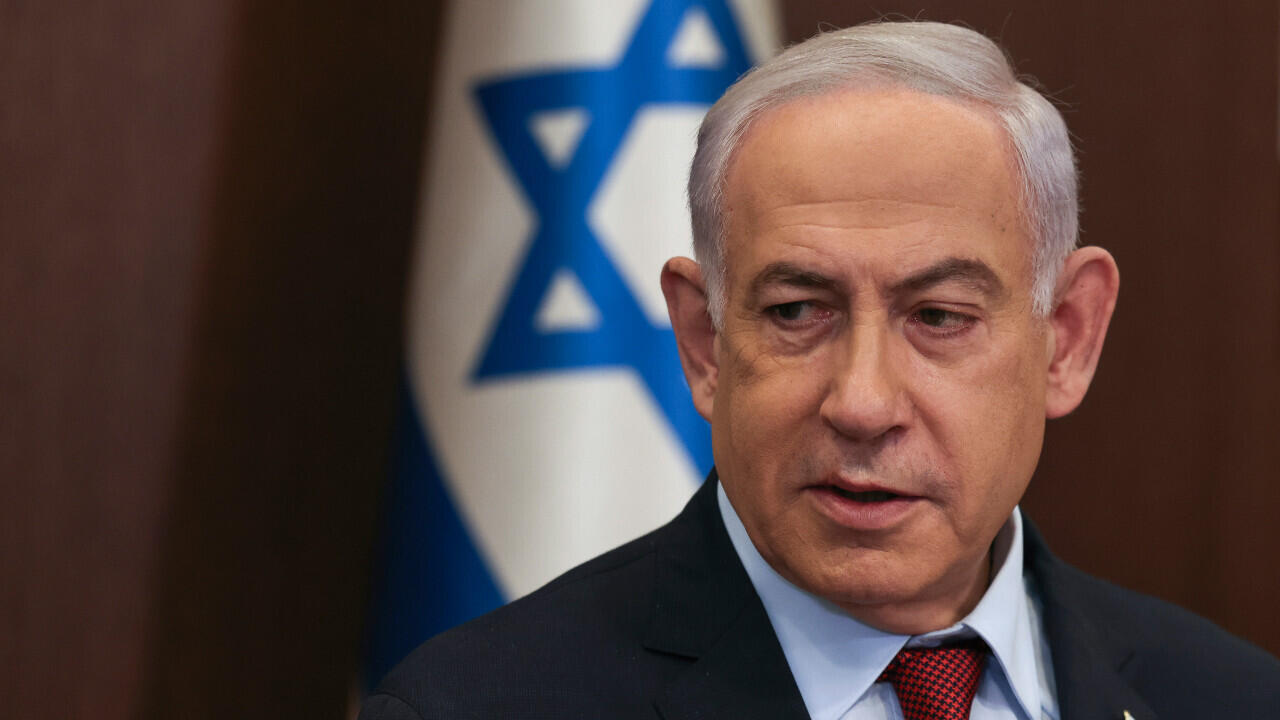
Instead, Israeli Prime Minister Benjamin Netanyahu bombed Syria and declared the 1974 peace agreement invalid. Netanyahu simply cannot tolerate the notion of a peaceful, prosperous, and stable Arab world that would compel Israel to clearly delineate its borders and allow the establishment of a viable Palestinian state. He has left us quite clear about his always hostile intents.
The new American government has to make it clear to Israel that its best interests lie in becoming a respected partner in making the Middle East a land of peace, progress, and stability, not in inching more land and crushing the Palestinian people as the Arab world forges ahead and grabs chances for peace, development, and stability. The international community, particularly the incoming US government, must firmly embrace Israel as the cornerstone of a viable Palestinian state, refusing to allow it to continue undermining all peace prospects.
Unlike Israel, Saudi Arabia responded to the fall of the Assad government in Syria by offering “to help (Syria) overcome the devastation endured by the brotherly Syrian people over many years.” It mandated “concerted efforts to preserve the unity of Syria and the cohesiveness of its people.” “The time has come for the brotherly Syrian people to enjoy the dignified life they deserve, to contribute with all their components to shape a bright future marked by security, stability, and prosperity, and for Syria to reclaim her rightful place in the Arab and Islamic worlds,” the Foreign Ministry said.
Looking at the history of the Jewish people in the Middle East, we see that for millennia they coexisted peacefully and respectfully as a natural part of Arab society. Confirming that “before Zionism, the Jewish communities of the Middle East and North Africa lived among their neighbors as part of the social fabric, sharing languages, music, and culture,” Israeli historian of Iraqi heritage Avi Shlaim Iraqi Jewish writer Naim Kattan said, “We all lived together as neighbors—Muslims and Jews—in Baghdad.” We shared our lives in harmony—our pleasures and our sorrows.
Not just in Syria but also throughout the Middle East, the fall of the Assad government and the emergence of a new Syria mark a pivotal point and a tremendous chance for peace, wealth, and stability. The event is too significant for Israel to dismiss. Turning Abba Eban’s comments around, Israel has lately shown that it never passes on a chance for peace. The world and the next US government should clearly communicate to the Israelis that they cannot afford to reject or ignore this renewed hope and endeavor for peace and stability in the region.