

Malaysia and Japan Sign Six Key Agreements, Opening New Frontiers in Investment and Technology Cooperation
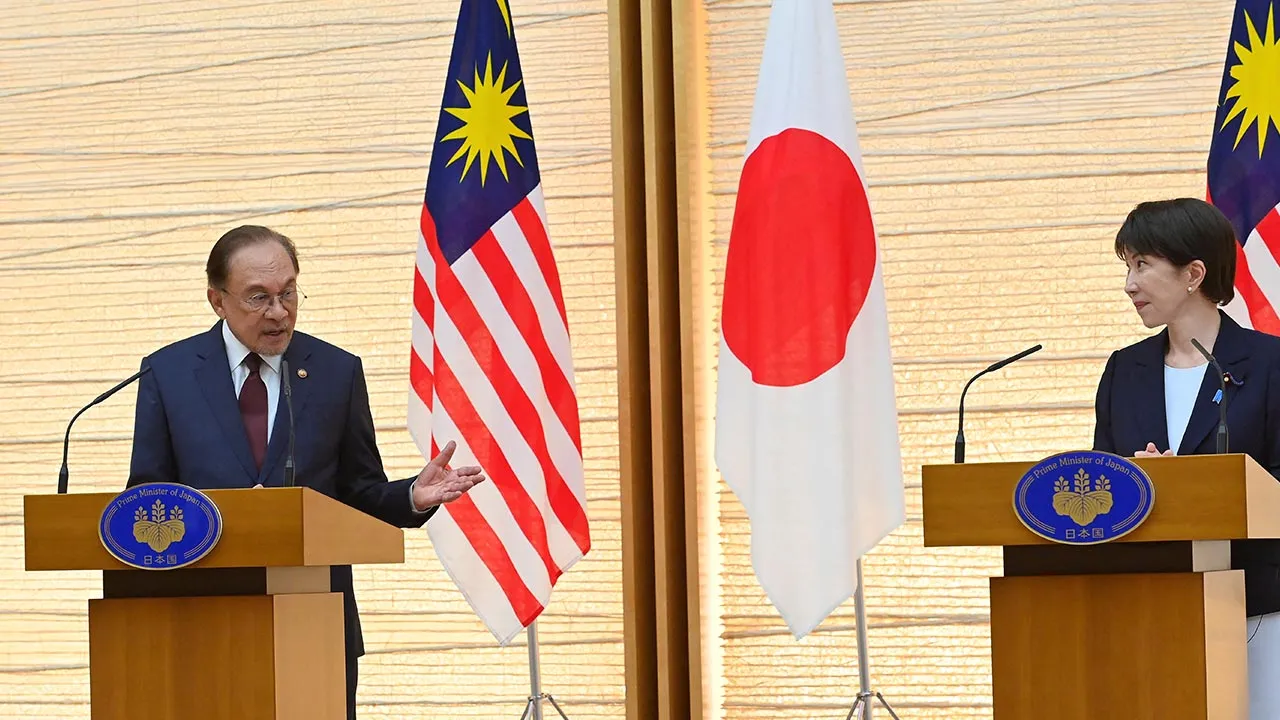
TOKYO: Malaysia and Japan have taken a major step toward strengthening their economic and strategic partnership by signing four Memorandums of Cooperation (MoCs) and two Letters of Intent (LoIs) covering a range of high-impact sectors, including energy, technology, sustainability, and security.
Prime Minister Datuk Seri Anwar Ibrahim described the agreements as a reflection of both countries’ shared commitment to expanding collaboration in future-focused industries that will drive long-term growth and innovation.
“We have successfully signed four Memorandums of Cooperation, and the next priority is to ensure their effective implementation,” Anwar said during a joint press conference with Japanese Prime Minister Sanae Takaichi at the Japanese Prime Minister’s Office in Tokyo on Wednesday.
The four MoCs cover cooperation in maritime safety and security, environmental sustainability, solid waste management, and the regulatory framework for medical devices.
In addition, two Letters of Intent were agreed upon, focusing on security cooperation and energy transition initiatives. Another key area of collaboration involves academic exchanges between the University of Tokyo and the International Islamic University Malaysia (IIUM), aimed at strengthening educational and research ties.
The six agreements are expected to create fresh momentum for Japanese investments in Malaysia, particularly in high-value sectors such as renewable energy, green technology, advanced manufacturing, and industrial innovation.
Energy-related cooperation is set to open new investment opportunities in low-carbon technologies, including hydrogen development and clean energy solutions. Meanwhile, environmental and waste-management initiatives are expected to support Malaysia’s efforts to build sustainable and climate-resilient infrastructure.
In the healthcare sector, regulatory cooperation on medical devices is anticipated to facilitate greater technology transfer, research collaboration, and investment, further enhancing Malaysia’s position as a regional healthcare and medical technology hub.
The academic partnership between leading institutions from both countries is also expected to contribute to talent development by nurturing highly skilled professionals equipped for the future economy.
At the same time, enhanced maritime security cooperation is seen as a positive step toward safeguarding regional trade routes and strengthening investor confidence in supply-chain stability.
The latest agreements underscore a broader and more comprehensive approach to Malaysia-Japan relations, moving beyond traditional trade ties toward a more resilient and sustainable investment partnership.
Japan remains one of Malaysia’s most important economic partners, and the new initiatives are expected to reinforce Malaysia’s standing as a strategic investment destination in Southeast Asia while supporting the country’s long-term economic transformation agenda.