

KPDN to increase engagement sessions to boost diesel subsidy recipients
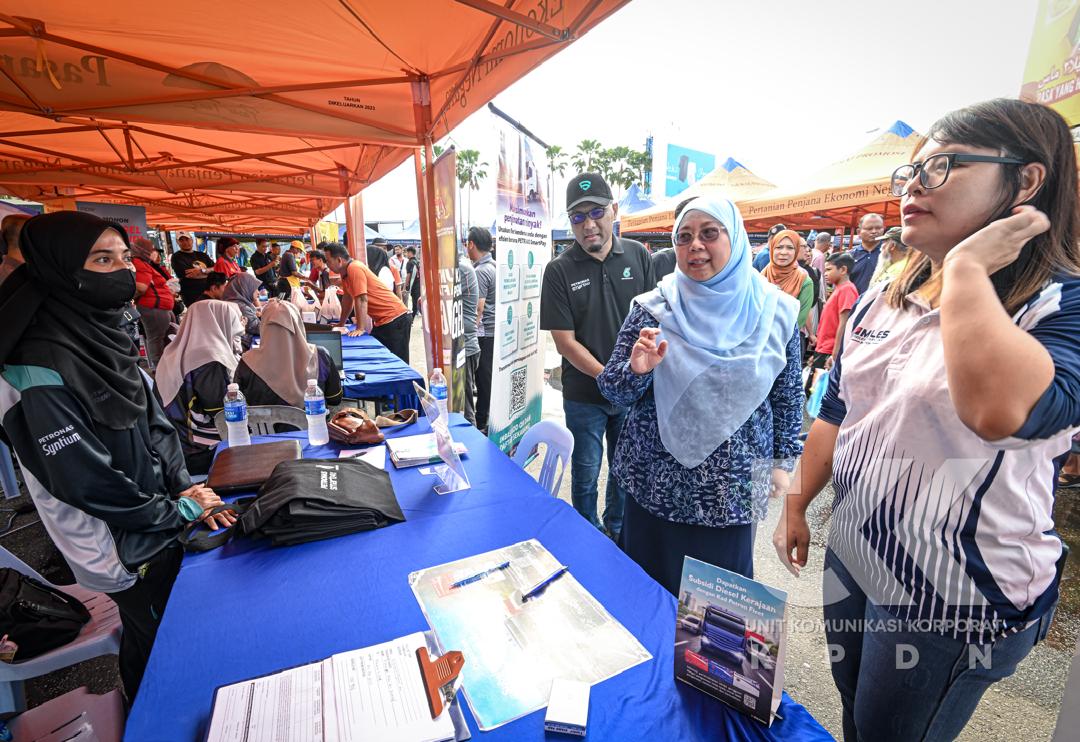
KUALA LUMPUR: The Ministry of Domestic Trade and Cost of Living (KPDN) will enhance engagement sessions to increase the registration of Budi Madani diesel subsidy recipients, which has not yet reached satisfactory levels.
According to Sinar Harian, Deputy Minister Fuziah Salleh stated that, under the Subsidized Diesel Control System (SKDS) 2.0, 259,141 out of 410,000 eligible vehicles have applied so far.
She explained that their operational costs have risen because they have to pay RM3.35 per liter of diesel, even though they are eligible for a RM2.15 per liter diesel subsidy through SKDS.
For Budi Madani’s pick-up trucks, Fuziah said that 100,000 owners have registered out of 300,000 eligible vehicles.
“To ensure they qualify for the diesel subsidy, KPDN will hold more engagement sessions like the one conducted today,” she said after an engagement session in Kuantan.
Fuziah noted that the busy daily schedules and difficulties in registering online are among the reasons why many people have not registered for the diesel subsidy.
Commenting on traders using vehicles registered in someone else’s name, Fuziah explained that the traders can still benefit from SKDS 2.0, provided that the original vehicle owner makes the application.
“The name on the vehicle registration document must apply on behalf of the trader. There is no issue, and they can also obtain a fleet card and SKDS 2.0,” she said.
SKDS is one of the initiatives introduced by the government to reduce the burden on public transport and goods transport operators, allowing fleet card holders to purchase diesel below retail price.
Starting from June 10, the government has floated the price of this fuel to RM3.35 per liter in Peninsular Malaysia through the implementation of diesel subsidy targeting, which aims to save RM4 billion annually.
In addition to SKDS, the government has also implemented the Budi Madani initiative, which provides RM200 per month to private diesel vehicle owners, farmers, and smallholders.