

Government Expected To Bear Nearly RM40 Billion In Petroleum Product Subsidies
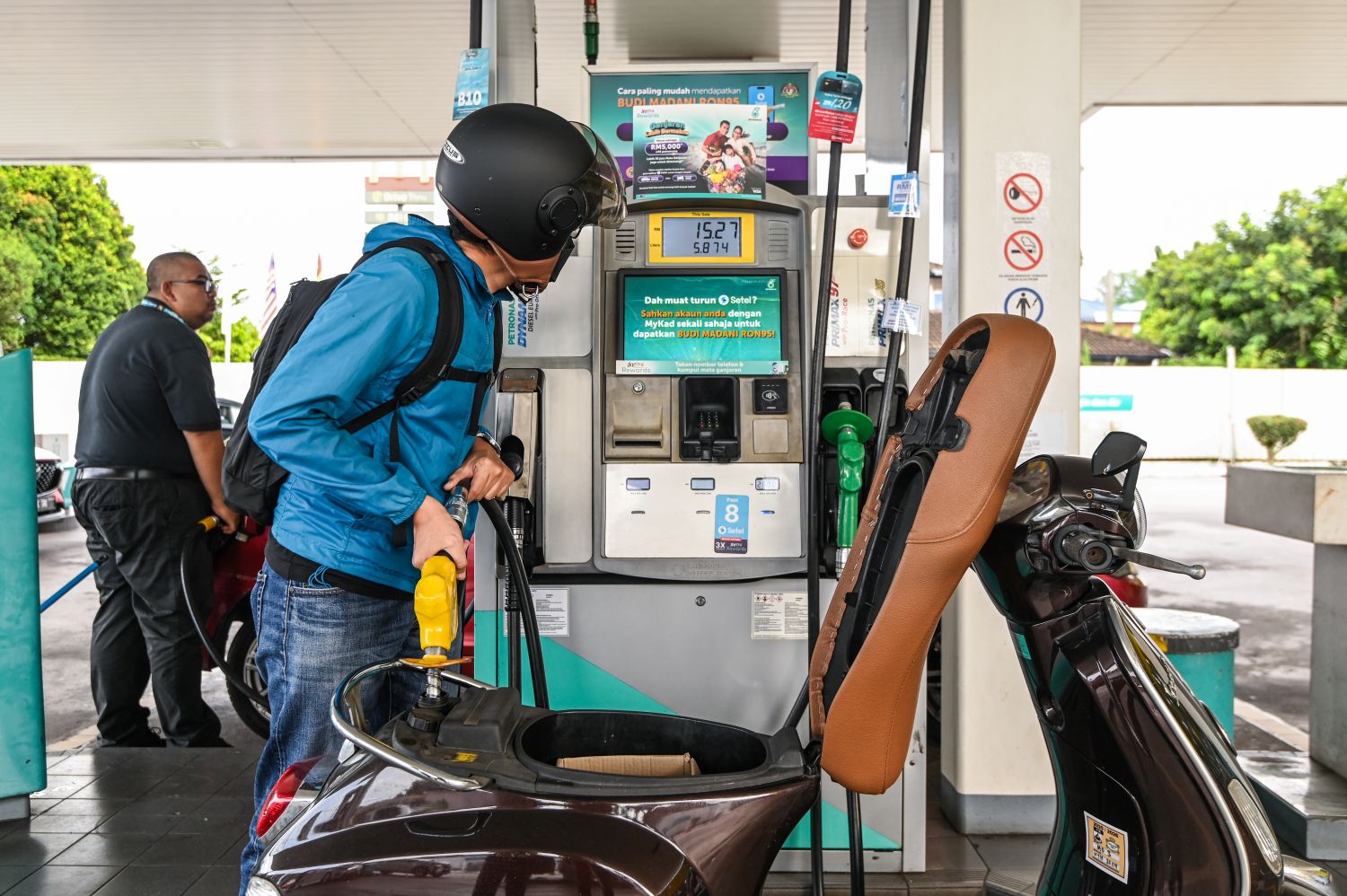
KUALA LUMPUR: The government is expected to bear nearly RM40 billion in petroleum product subsidies for the year 2026 should the current market prices persist, subject to global crude oil price movements, currency exchange rates, and actual consumption patterns.
Deputy Finance Minister, Liew Chin Tong, said the government had borne subsidies of nearly RM800 million per month for RON95 and diesel in January and February 2026, before surging to about RM5 billion per month in March and April 2026.
“Subsidies in May and June 2026 then moderated to around RM4 billion per month.
“The subsidy liability is an expenditure item under Operating Expenditure (OE), where the source of financing comes from government revenue comprising tax revenue, non-tax revenue, and non-revenue receipts,” he said in the Dewan Negara here today.
He said this in response to a question from Senator Datuk Mohd Na’im Mokhtar regarding the financial implications to the government following the decision to set the diesel price at RM2.10 per litre nationwide starting July 2026, including the estimated additional subsidy to be borne, the financing sources used, and its impact on the country’s fiscal deficit target.
Chin Tong said that although the increase in oil prices raises subsidy expenditure, it also contributes to higher petroleum‑related revenue.
“Every change of US$1 per barrel in global crude oil prices is estimated to have an impact of about RM300 million on the Federal Government’s petroleum‑related revenue, excluding Petronas dividends.
“This increase in revenue can help offset some of the additional pressure on fuel subsidy expenditure,” he said.
He said the government also regularly monitors revenue collection performance to ensure that total revenue can continue to meet the Federal Government’s expenditure needs without significantly affecting the country’s fiscal position.
“It can be concluded that the implementation of Budi Diesel proves that subsidy reform can be carried out prudently by ensuring that the majority of the people continue to enjoy fuel subsidies.
“It reduces leakages, protects economic growth, and strengthens the country’s fiscal position for the benefit of the people as a whole,” he said.
Kosmo Online