

Fearing Islamist domination, Syrian Shiites and other minority escape to Lebanon
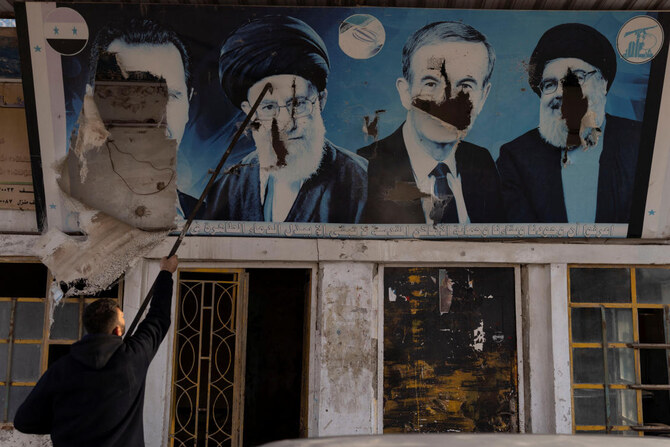
Following the deposition of Bashar Assad by Sunni Muslim Islamists, tens of thousands of Syrians, primarily Shiite Muslims, have fled to Lebanon due to fear of persecution, despite assurances from the new Damascus government that they would receive protection.
Twelve Shiite Muslims contacted by Reuters detailed threats directed at them, sometimes in person but largely on social media, at the border with Lebanon, where thousands of people were attempting to flee Syria on Thursday.
Their stories reveal concerns about persecution despite assurances of safety provided by Hayat Tahrir Al-Sham (HTS), a Sunni Islamist organization that has emerged as a major player in the new Syria but is by no means the only armed group present.
Assad, hailing from the minority Alawite faith, enlisted regional Shiite allies, including Lebanon’s Hezbollah, to aid in combating Sunni extremists. Shiite populations have frequently been at the forefront of Syria’s 13-year civil conflict, which has sectarian dimensions.
Although the majority of them had exploited unlawful crossings along the porous border, the senior Lebanese security official said more than 100,000 people—mostly members of minority faiths—had come into Lebanon since Sunday. She could not provide an exact count.
Samira Baba claimed to have been waiting three days to enter Lebanon with her children at the main border crossing between Syria and Lebanon.
“We have no idea who sent these threats on Facebook and WhatsApp,” she stated. “It could be other factions or individuals, as the extremists in charge have not publicly threatened us.” Simply said, we are not clear. We realize, though, it’s time to head out.
For many, particularly minorities, the new Syria appears unfamiliar. Shiites, estimated to number 23 million before the conflict started, make up about one tenth of the population.
Although HTS, which severed connections with Al-Qaeda, the worldwide jihadist network, is the most potent of the constellation of organizations battling Assad, there are many other armed groups, the majority of which are Islamists.
Ayham Hamada, a 39-year-old Shiite who was in the army when Assad passed away, asserted that the government’s downfall occurred so swiftly that he and his brother, who was also a soldier, found themselves uncertain about whether to stay or flee.
They departed for Damascus, where he stated, without providing specifics, that they faced threats. We fear sectarian deaths; this will be liquidation.
Despite the assertions of HTS leader Ahmed Al-Sharaa, Hamada asserted that Assad’s sudden withdrawal had left minorities without protection. “Bashar grabbed his money and left without paying us any thought,” he claimed.
Sayyeda Zeinab, a Shiite shrine in the Damascus area that housed fighters from Hezbollah and other Shiite militias, was home to many of the Shiites living along the border. Supported by Iran’s Revolutionary Guards, the Shiite militias also originated in Iraq and Afghanistan and enlisted several Syrians.
With her 10-day-old niece and two-year-old son, 30-year-old nurse Elham said she had been waiting at the crossing for days without food or drink.
She, a Damascus Shiite, claimed to have fled to rural areas following the collapse of the government. When she returned, she found her house burned and looted. She and others claimed that armed, masked men attacked their homes and threatened them with death if they didn’t evacuate.
They claimed ownership and confiscated our automobile. You do not say a word. We left everything and started running.
Reuters could not get HTS officials right away to discuss concerns raised by minorities.
Each of us is one person.
However, some people who left the northern regions of Syria when HTS launched an attack in late November claimed they now felt confident enough to return.
“My wife comes from a Sunni background. Next to the main mosque in the Shiite village of Nubl, where Hezbollah once stationed militants, 48-year-old Shiite father of three Hussein Al-Saman told Reuters: “We are all one people and one nation.”
Saying he “enabled us to come to our houses,” he commended HTS leader Sharaa for his efforts in preserving the community.
As a minority, we were forced to support Assad because we had no other options. However, with the end of the conflict, we now enjoy our freedom. I want my children to live peacefully under the new regime.
Bassam Abdulwahab, who is officially monitoring the returns, reported the restoration of vital services. He stressed that the commanding leadership provided security to protect the minorities.
“We have the duty of safeguarding Syria’s minority. What happens to us determines what happens to them, he posed.
At Nubl’s gate, an Assad monument has collapsed. As officials in military fatigues planned the return of individuals who had left, inhabitants cleaned stores and fixed damaged buildings further into the town.
Working in mining, Muhyie Al-Dien remarked, “The (Assad) government forced the minorities here to live in a situation where they had to be enemies of their neighbors.” “The government orchestrated its strategy to divide us and our Sunni brothers.”
One 41-year-old guy, Hami, declined to talk on camera and was more wary, even while some in Nabl spoke optimistically of the future. “We are Shiite; the new leadership comes from Sunni. We have no idea what will transpire, he continued.