

Academics and Global Figures Rally Behind Jailed Palestine Action Members in the UK
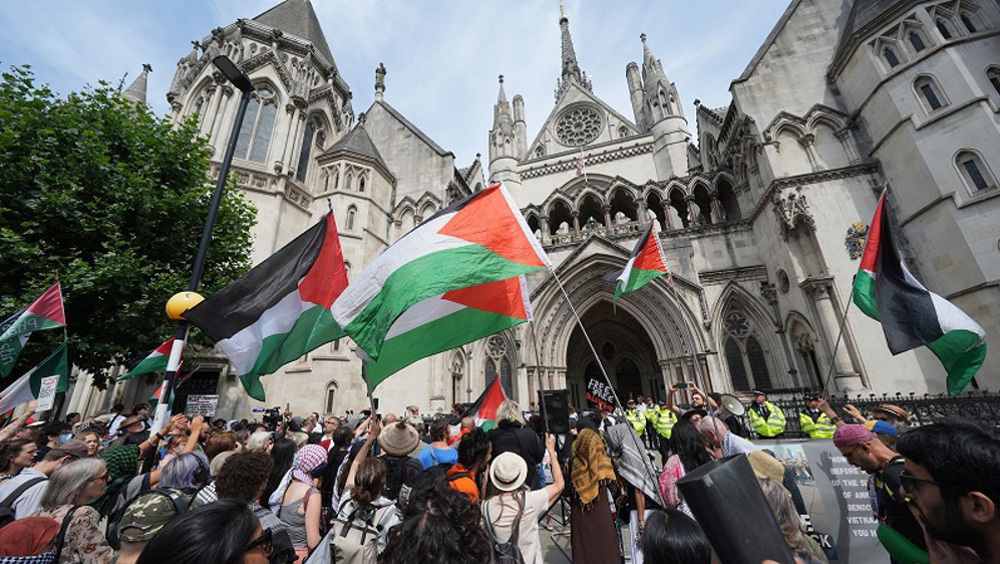
Dozens of prominent academics, writers, and activists have publicly expressed solidarity with members of the pro-Palestinian group Palestine Action who are currently imprisoned across the United Kingdom.
In an open letter released on Monday, the signatories declared their opposition to what they described as genocide and voiced support for Palestine Action prisoners. Among those who endorsed the statement are renowned intellectual Tariq Ali, philosopher Judith Butler, author Naomi Klein, and climate activist Greta Thunberg.
Several individuals linked to Palestine Action remain in custody after reportedly being denied bail and held on remand beyond the UK Crown Court’s usual pre-trial custody limit of 182 days. Meanwhile, hundreds of others many of them elderly, have been charged for allegedly supporting the group or challenging its designation as a terrorist organization.
The situation has escalated further as several pro-Palestinian detainees in prisons across Britain announced plans to begin a collective hunger strike on November 2, coinciding with the anniversary of the 1917 Balfour Declaration. United Nations human rights experts have since warned that prolonged hunger strikes pose serious risks, including organ failure and death.
Reports indicate that prisoners associated with Palestine Action have faced increasing restrictions on mail, phone calls, and family visits following the group’s proscription in July. The ban, imposed by Home Secretary Yvette Cooper, criminalizes support for or membership in the organization and carries potential prison sentences of up to 14 years.
Controversy has also surrounded the government’s handling of legal challenges to the ban. In December, the final day of the judicial review was conducted using secret evidence presented behind closed doors, inaccessible to both the public and the group’s legal representatives.
Despite the prohibition, thousands of demonstrators have reportedly defied the ban in what organizers describe as unprecedented acts of mass civil disobedience across the country. Although those currently facing trial are charged with non-terrorism offenses, prosecutors have stated they will argue that the cases have a “terrorism connection,” a claim that could result in harsher sentencing.
The proscription followed an incident last year in which two activists allegedly damaged Royal Air Force aircraft during a protest against the UK’s support for Israel’s military actions in Gaza. Critics, including UN High Commissioner for Human Rights Volker Türk, have questioned the use of terrorism legislation in response to such acts.
Türk previously warned that the decision to ban Palestine Action was disproportionate and risked undermining fundamental freedoms, including freedom of expression, peaceful assembly, and association.