

Iran Rises From Recent Conflict With Renewed Diplomatic Clout and Military Prestige
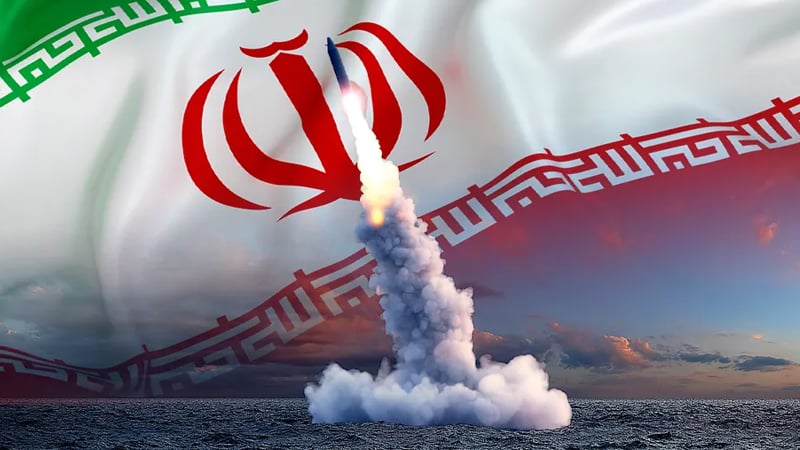
TEHRAN, July 15— Twelve days of tit‑for‑tat strikes between Iran, Israel, and—briefly—the United States have ended in a tenuous cease‑fire, but analysts say the fallout has unexpectedly strengthened Tehran’s standing both in the Middle East and on the wider world stage.
Until early June, Iran faced intense economic pressure from U.S. sanctions, tepid support from traditional allies, and a fraying “proxy network” stretching from Hezbollah in Lebanon to Yemen’s Houthi movement. Inside the country, inflation and shrinking oil revenues strained the economy, while high‑profile cyber‑attacks and assassinations exposed vulnerabilities in Iran’s security apparatus.
That picture shifted dramatically after the International Atomic Energy Agency (IAEA) reported in January that Tehran was only “weeks away” from weapons‑grade uranium capability. Israel launched preemptive strikes on 13 June against Iran’s nuclear and missile sites; Washington joined days later. Iran’s response—ballistic‑ and cruise‑missile barrages on Israeli military facilities and a 19‑missile salvo that reached America’s Al‑Udeid Air Base in Qatar—surprised many regional observers.
Within hours of the cease‑fire, Foreign Minister Abbas Araghchi flew via Azerbaijan to Moscow, then on to Beijing, Doha, and Riyadh, pitching a new narrative: Iran as a guarantor of regional stability, able to retaliate against great‑power threats yet willing to broker peace.
-
Gulf States: Saudi Arabia hosted Araghchi on 8 July for direct talks with Crown Prince Mohammed bin Salman—the first such visit since Riyadh and Tehran re‑established relations in 2023. No deals were announced, but Saudi officials privately said they now view Iran’s missile reach as a security concern “that must be managed through dialogue, not confrontation.”
-
Russia & China: Moscow offered fresh technical assistance for Iran’s civilian nuclear program, while Beijing signaled interest in joint arms development following the battlefield performance of Iran’s Fateh and Sejjil missiles and Shahed‑series drones.
-
Global South: At the BRICS summit in Brasilia, Iran’s delegation fielded inquiries from at least eight developing nations about possible purchases of low‑cost Iranian drones and short‑range missiles, according to diplomats present.
Iran’s strike on Al‑Udeid, the largest U.S. base in the Middle East, sent shockwaves through capitals hosting American troops. Although Washington downplayed damage, commercial satellite images reviewed by independent analysts show at least one missile impact inside a sensitive logistics zone.
“The idea that U.S. air‑defense networks are an impenetrable shield has taken a hit,” said Dr. Lina Al‑Sayed, a Gulf‑based security scholar. “Regional states will now hedge—looking to diversify security partners and perhaps even open channels to Tehran.”
Until now, global exports of sophisticated drones and precision missiles were dominated by the U.S., Russia, China, and a handful of European producers. Defense attachés in Abu Dhabi and Kuala Lumpur told The Chronicle that Iran’s combat‑proven systems could create a “budget segment” in the market: “cheap, effective, and politically unencumbered by Western end‑use restrictions.”
Tehran, meanwhile, is shopping abroad for fourth‑generation fighter jets to modernize its aging air force. Negotiations with Beijing for J‑10C aircraft are reportedly underway, and Russia is said to be positioning its Su‑35 as an alternative.
Iran has suspended IAEA access—inspectors left Natanz and Fordow last week—insisting its program remains peaceful. Western officials say more than 400 kg of enriched uranium is now unaccounted for.
Washington and Brussels have threatened “severe consequences” if Tehran resumes enrichment beyond 60 percent, but hard-liners in Iran’s parliament are demanding precisely that unless sanctions relief is offered.
For decades cast as a pariah, Iran has leveraged the latest crisis to redraw perceptions:
-
Deterrence: It demonstrated the range and accuracy of a missile arsenal previously dismissed as second‑tier.
-
Diplomacy: Swift outreach to rivals and partners alike portrayed Tehran as pragmatic, not reckless.
-
Narrative Control: By framing its retaliation as self‑defense under the UN Charter, Iran gained sympathy across much of the Global South.
“Tehran didn’t just survive; it turned a strategic corner,” said Prof. Daniel Marchand of the Geneva Institute for Security Studies. “Whether that lasts depends on how deftly Iran manages new expectations—and whether Washington and Tel Aviv recalibrate or double down.”
For now, the cease‑fire holds, sanctions remain in place, and the region is recalculating. But few doubt that Iran, once sidelined, now occupies a larger—and far more unpredictable—space in global diplomacy.