

Iran’s Constitutional Council Approves Suspension of Cooperation with IAEA Amid Rising Tensions
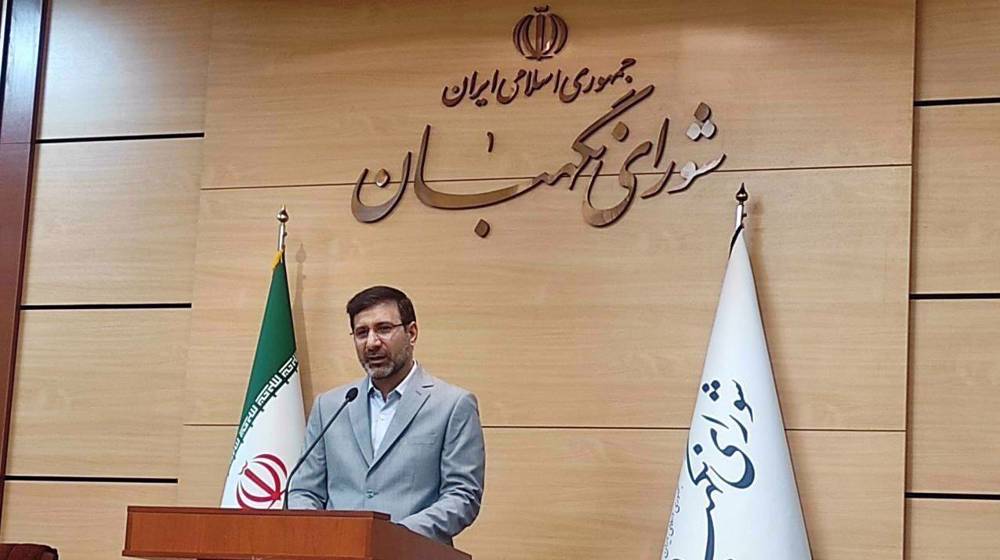
TEHRAN|| June 27: Iran’s Constitutional Council has approved a parliamentary bill to suspend cooperation with the International Atomic Energy Agency (IAEA), a major advance in Tehran’s response to what it calls politically motivated actions by the UN nuclear watchdog and its Western backers.
The decision follows weeks of rising tensions after a June 12 IAEA resolution criticized Iran’s nuclear program, which Iranian officials say provided justification for Israeli and U.S. strikes on Iranian nuclear sites.
Hadi Tahan-Nazif, spokesperson for the Constitutional Council, announced the approval on Thursday, confirming that the bill is now legally binding after being found in full compliance with both Islamic law and the country’s Constitution.
The bill mandates the Iranian government to halt all cooperation with the IAEA unless Iran receives “unequivocal guarantees” of its national sovereignty and the security of its nuclear facilities and scientists.
Iranian officials have condemned the recent resolution by the IAEA Board of Governors, which accused the Islamic Republic of failing to meet its safeguards obligations. The resolution was passed with 19 votes in favor, 11 abstentions, and 3 votes against—by Russia, China, and Burkina Faso.
Iran argues the resolution, initiated by the European troika (Britain, France, and Germany) and backed by the United States, emboldened Israel to launch unprovoked strikes on June 13 that killed Iranian military commanders, nuclear scientists, and civilians. Days later, the U.S. conducted airstrikes on three Iranian nuclear sites, prompting further outrage from Tehran.
“The IAEA report became a political tool used to justify aggression against our nation,” said Tahan-Nazif, adding that no cooperation can continue under threats to Iran’s territorial integrity.
Under the new legislation, IAEA inspectors will be barred from entering Iran until the Supreme National Security Council confirms that sufficient guarantees are in place regarding the protection of the country’s peaceful nuclear infrastructure.
Iran is also reportedly weighing an entry ban on IAEA Director General Rafael Grossi, who has faced sharp criticism in Iran for what officials describe as complicity in recent hostilities.
Earlier this week, Mohammad Eslami, head of Iran’s Atomic Energy Organization, accused Grossi of failing to condemn the Israeli and U.S. attacks, warning that Tehran would pursue legal action to defend its nuclear rights and hold the IAEA accountable.
The bill also invokes Article 4 of the Nuclear Non-Proliferation Treaty (NPT), which recognizes Iran’s right to pursue peaceful nuclear energy, including uranium enrichment. Lawmakers contend that the politicization of Iran’s nuclear rights and the targeting of its scientists make continued cooperation with the IAEA untenable.
In response to the IAEA’s censure, Iran has already announced plans to upgrade its centrifuge technology and build new nuclear facilities, including at the heavily fortified Fordow enrichment site.
The move to suspend cooperation with the IAEA underscores Iran’s growing frustration with international institutions it accuses of double standards and Western bias.
The legislative move comes amid broader regional instability following the Israeli strikes and U.S. involvement. Tehran has framed its recent actions—diplomatic and military—as necessary self-defense in the face of unlawful aggression. Analysts warn that Iran’s withdrawal from cooperation with the IAEA may further isolate the country diplomatically and complicate future negotiations regarding nuclear issues.
ues.
Despite the rising stakes, Iranian leaders have reiterated their commitment to the peaceful nature of their nuclear program while insisting on full respect for the country’s sovereignty and security.