

Malaysia Unveils Comprehensive Education Reforms to Strengthen Future Learning
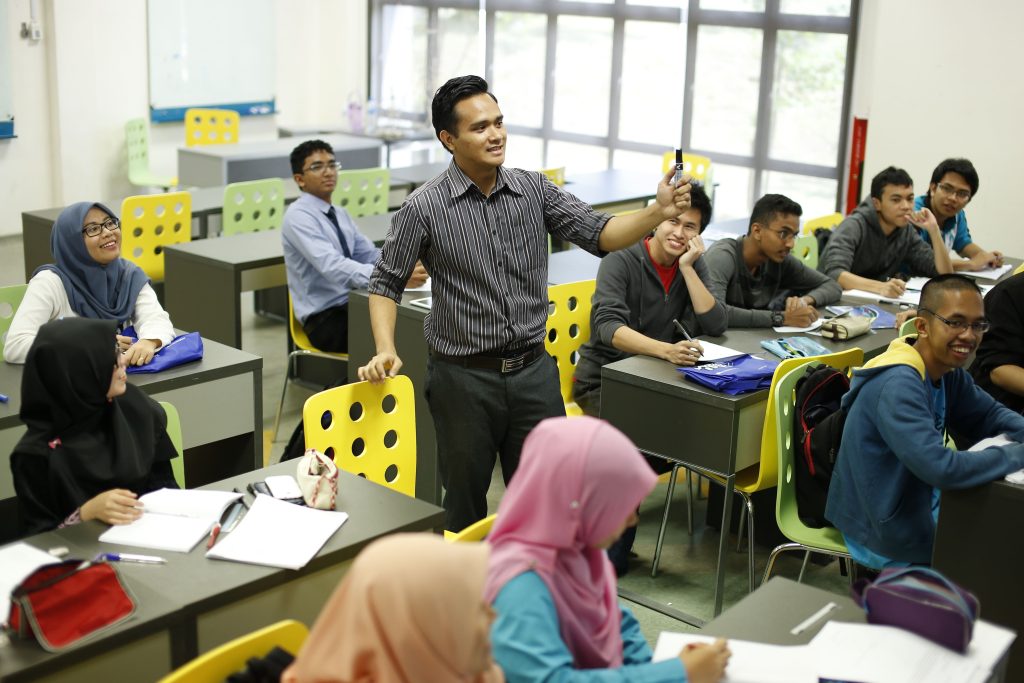
In an effort to enhance the quality of education across the country, the Malaysian government has launched a comprehensive set of reforms aimed at improving student learning outcomes, addressing disparities, and equipping future generations with the necessary skills for a rapidly evolving world.
As part of its ongoing commitment to providing a world-class education system, the government has identified key areas for transformation, including the national curriculum, vocational education, digital transformation in schools, and targeted support for disadvantaged students.
One of the cornerstone reforms is the revamping of the national curriculum. The government is prioritizing the inclusion of essential skills such as critical thinking, creativity, and digital literacy to prepare students for success in the modern economy. This shift is aimed at making the curriculum more adaptable to future needs, ensuring that students are well-prepared to navigate a world dominated by technological advancements and global challenges. The reformed curriculum is also expected to focus on problem-solving and collaborative learning, which are essential in fostering innovation and adaptability.
With increasing demand for skilled professionals in various industries, the government has pledged to invest significantly in vocational education and training (VET). This initiative is designed to bridge the skills gap by offering more hands-on learning experiences for students. Vocational programs will be enhanced to cover a range of sectors, such as technology, healthcare, and engineering, providing students with clear pathways to employment upon graduation. By emphasizing practical, job-ready skills, these reforms aim to ensure that Malaysian graduates meet the needs of both local and global labor markets.
Another significant aspect of the reform package is the focus on support for disadvantaged students. The government has introduced a series of measures to help students from underprivileged backgrounds access quality education. These measures include financial assistance, mentorship opportunities, and scholarships, which aim to level the playing field and ensure that no student is left behind. By addressing these disparities, the government hopes to create an education system where all students, regardless of their socio-economic status, can achieve their full potential.
In recognition of the growing importance of technology in education, the government is spearheading a digital transformation in schools across the nation. This initiative aims to increase access to e-learning platforms and digital tools, enabling students and teachers to engage with educational content in more dynamic and interactive ways. Teachers will also receive extensive training in digital pedagogy to integrate modern tools into their teaching methods, enhancing student engagement and learning outcomes. The digital transformation is expected to improve the overall quality of education, offering a more personalized learning experience tailored to the needs of individual students.
The government has also emphasized the importance of teacher professional development in the education reform process. Teachers are the cornerstone of any education system, and the government has committed to providing educators with ongoing opportunities to improve their skills and adapt to new teaching methodologies. This includes continuous training programs that focus on new technologies, innovative teaching techniques, and classroom management strategies. By strengthening the capacity of teachers, the government aims to improve overall educational outcomes and maintain a high standard of teaching across the country.
These reforms reflect Malaysia’s vision to build a future-ready education system that prepares students to meet the challenges of a globalized, technology-driven world. The government is confident that these changes will not only improve the quality of education but also equip students with the skills necessary to thrive in their future careers and contribute positively to society.
The new education policies are expected to be rolled out gradually over the next few years, with more details to be provided by the Ministry of Education. As Malaysia moves forward with these reforms, it aims to create a more inclusive, dynamic, and forward-thinking education system that ensures every student has the opportunity to succeed.