

Israel is warned by the EU once more for starving Gazans
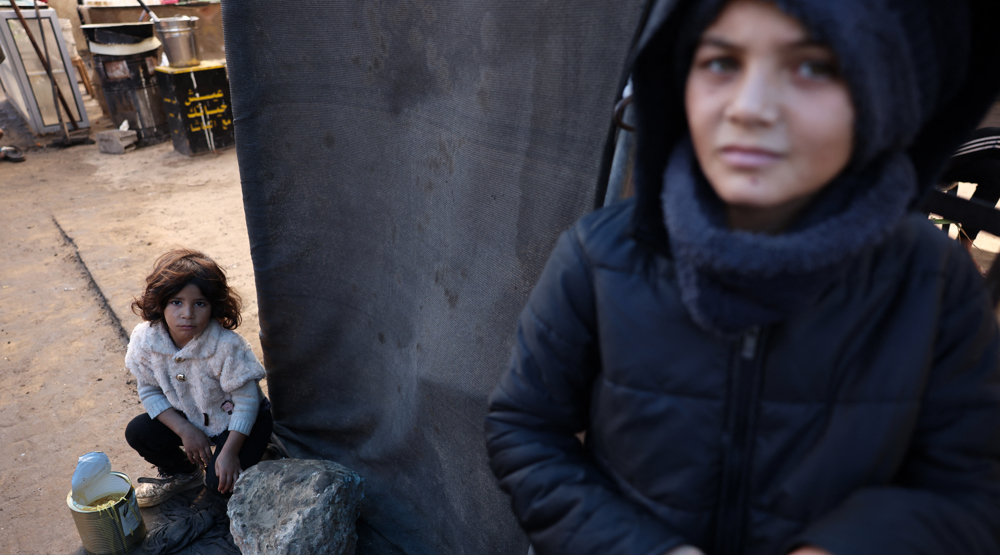
EU foreign policy leader Joseph Borrell has again decried Israel’s use of famine against Gaza’s trapped Palestinians.
“Humanitarian aid is not reaching Gaza, and the UN is unable to provide support,” Borrell told reporters Tuesday. In northern Gaza alone, 250,000 people suffer, he claimed. Why don’t we address Gaza humanitarian help before the Security Council? Borrell asks.
Save the Children reports that 130,000 under-10s have been stranded in northern Gaza for almost 50 days, nearly entirely shut off from aid, food, and medicine.
Life-sustaining supplies has mostly failed to reach any of the people under Israeli military siege in northern Gaza since early October, according to a prominent humanitarian organization on Monday.
The humanitarian catastrophe in Gaza is getting worse as winter approaches, the United Nations agency for Palestinian refugees (UNRWA) again cautioned on Monday.
“Severe weather and a severe lack of humanitarian aid are causing displaced families to endure tragic circumstances,” stated UNRWA media officer Inas Hamdan.
“We are dealing with a dire humanitarian crisis where there are severe shortages of vital winter supplies.”
Basic items such as flour and food supplies are nearly depleted, according to Hamdan.
According to a recent study by a UN Special Committee looking into Israeli activities in Gaza, the military acts of the regime are comparable to genocide.
The committee accused Israel of using famine as a weapon of war and purposefully fostering circumstances that endanger Palestinian lives.
“Since the beginning of the war, Israeli officials have publicly supported policies that strip Palestinians of the very necessities required to sustain life – food, water, and fuel,” the panel stated in January.
Additionally, it pointed out that Israel has routinely obstructed humanitarian help, utilizing essential commodities for military and political ends.
The assessment cautioned that a humanitarian crisis has resulted from the damage of Gaza’s infrastructure, particularly its food, sewage, and water systems.