

NASA astronaut Sunita Williams’ health gets worse as the ISS mission is extended
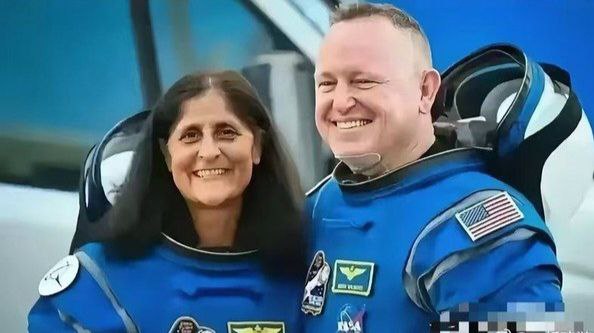
Recent images of NASA astronauts Sunita Williams and Barry “Butch” Wilmore, captured from the International Space Station (ISS), reveal a rapid decline in their health. A problem with Boeing’s Starliner spacecraft extended Williams and Wilmore’s intended eight-day space trip to six months. Recent pictures show that staying in space for a long time can make you lose weight and hurt your body.
Astronauts who stay in space for long amounts of time often lose weight. The most recent pictures of Williams and Wilmore show the same thing. In microgravity, life requires physical demands that change how the body breaks down food and uses energy, making it difficult to keep the same body mass.
Seattle pulmonologist Dr. Vinay Gupta noticed that William appeared to have sunken cheekbones and low body weight, which could indicate a calorie shortage.
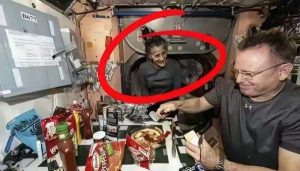
It isn’t easy to live on the ISS. Because the ISS lacks gravity, people lose muscle and body mass. Exercise every day for around 2.5 hours could lessen this effect and preserve strength by preventing muscular atrophy. The cramped quarters also affect sleep cycles, leading to stress on both a physical and mental level.
There are many physical effects that pilots can experience in microgravity. On the other hand, less muscle loss and bone structure can cause fluid to move around in the body, leading to swelling in the head and potentially affecting vision.
These impacts might lead to dietary deficits as the body adapts to the demands of the space environment. These microgravity-induced alterations may have contributed to William’s weight loss by impeding the body’s ability to maintain metabolic activities.